This post may contain affiliate links.
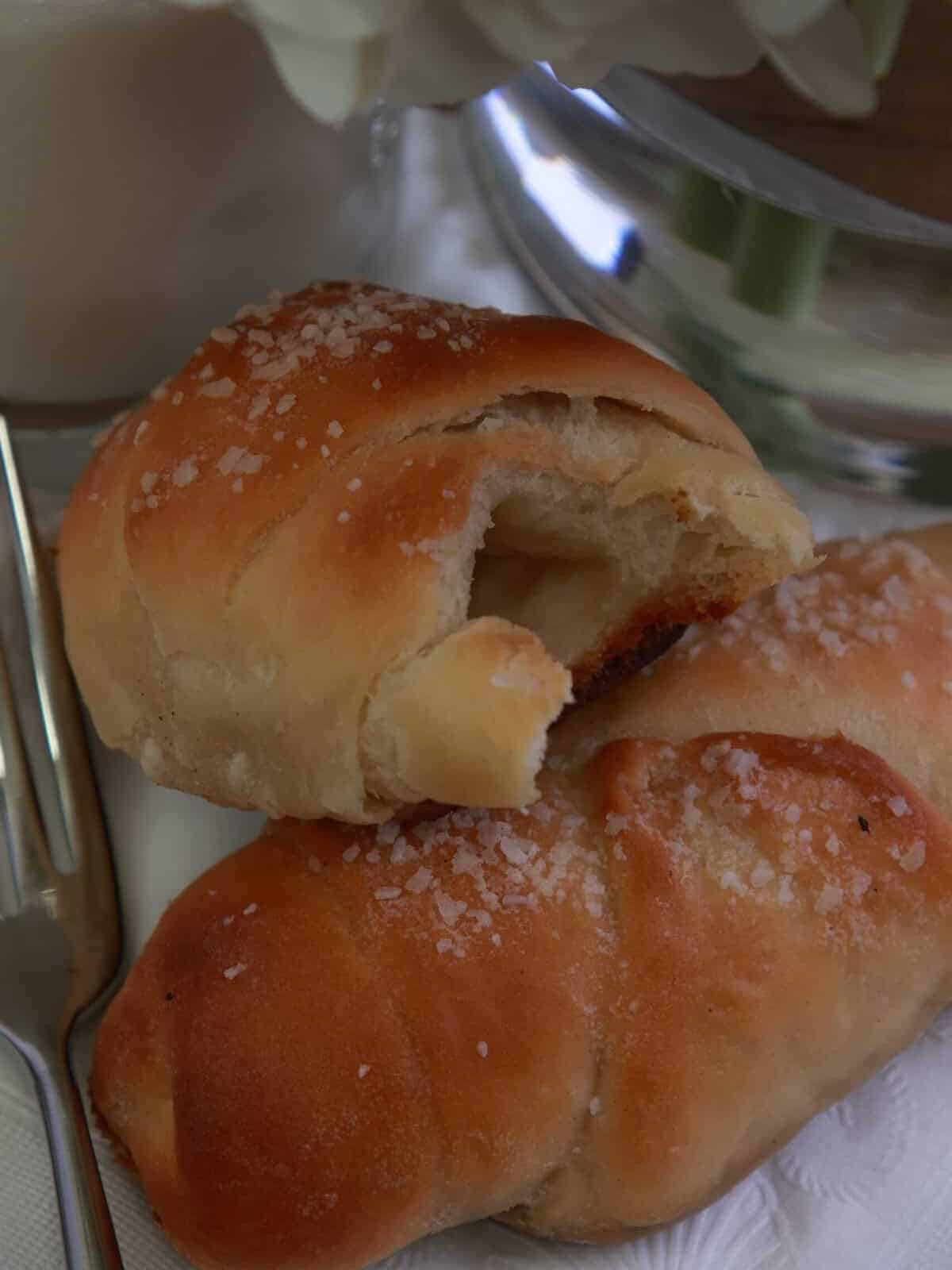
Salt Bread is the bakery roll that made our kitchen go quiet, a soft, layered crumb wrapped around a stick of cold butter that melts into a buttery hollow while the bottom fries crisp and golden in the pan. The first time we baked a batch on a rainy Saturday afternoon, Maddie ate two before they cooled and Lizzie claimed the crunchiest bottoms for herself. If you already love our homemade crescent rolls, this is their salty, buttery Korean cousin.

The dough is simple, the shaping takes a few tries to feel natural, and the payoff is a roll that tastes like it came from a fancy bakery.
Salt Bread Quick Look
- 🕒 Prep Time: 30 minutes
- 🌡️ Cook Time: 15 minutes
- ⏳ Total Time: 2 hours 45 minutes (includes rising)
- 🍽️ Serving: 12 rolls
- ⚡ Calories: 333kcal
- 🌶️ Flavor Profile: Buttery, lightly sweet dough with a salty crunch on top and a crisp, golden, butter fried bottom
- ✋ Difficulty: Moderate, a small step up from our soft dinner rolls because of the rolling and shaping
Quick Answer
Knead bread flour, cake flour, sugar, salt, milk powder, instant yeast, and ice water with a little cold butter until the dough passes the windowpane test. Let it double, divide into 12 pieces, rest, then roll each into a long teardrop. Roll a cold baton of salted butter up inside from the wide end, proof until pillowy, mist with water, sprinkle flaky salt, and bake at 400 degrees Fahrenheit for 12 to 15 minutes until the bottoms are crisp and golden.
Jump to:
Why This Recipe Works
Click to see the technique science
- Bread flour plus cake flour. Bread flour gives the dough enough strength to wrap around the butter and hold its shape, and cake flour softens the crumb so the rolls stay tender instead of chewy.
- Ice water keeps the dough cool. A long knead warms dough up fast. Starting with ice water keeps the butter in the dough from turning greasy, so you get a smooth, silky dough that stretches thin.
- A full windowpane knead. Kneading until the dough stretches thin without tearing builds the gluten that traps steam in the oven. That is where the tall, layered rise comes from.
- Cold butter rolled inside. The salted butter baton melts as the roll bakes, soaks the inside with flavor, and leaves that signature buttery hollow. Cold butter melts slowly, so it stays inside instead of pouring out.
- A hot start, then a lower bake. The oven preheats to 450 degrees and drops to 400 the moment the pan goes in. The burst of heat gives a strong oven spring, and the lower temperature finishes the inside without burning the tops.
- The butter fries the bottoms. As the filling melts, some of it pools under each roll in the metal pan and crisps the bottom like a butter fried crust. That crunchy base is the whole reason people fall for salt bread.
Why You’ll Love This Recipe
- Every roll has three textures in one bite, a salty crunch on top, a soft, pull apart middle, and a crisp, buttery bottom you will fight your family for.
- It uses plain pantry ingredients, flour, sugar, yeast, milk powder, and butter, so it costs a fraction of what a bakery charges for a single roll.
- Once you learn the teardrop roll, you will use it everywhere, from homemade crescent rolls to stuffed breakfast rolls, and it gets faster every batch.
Key Ingredients
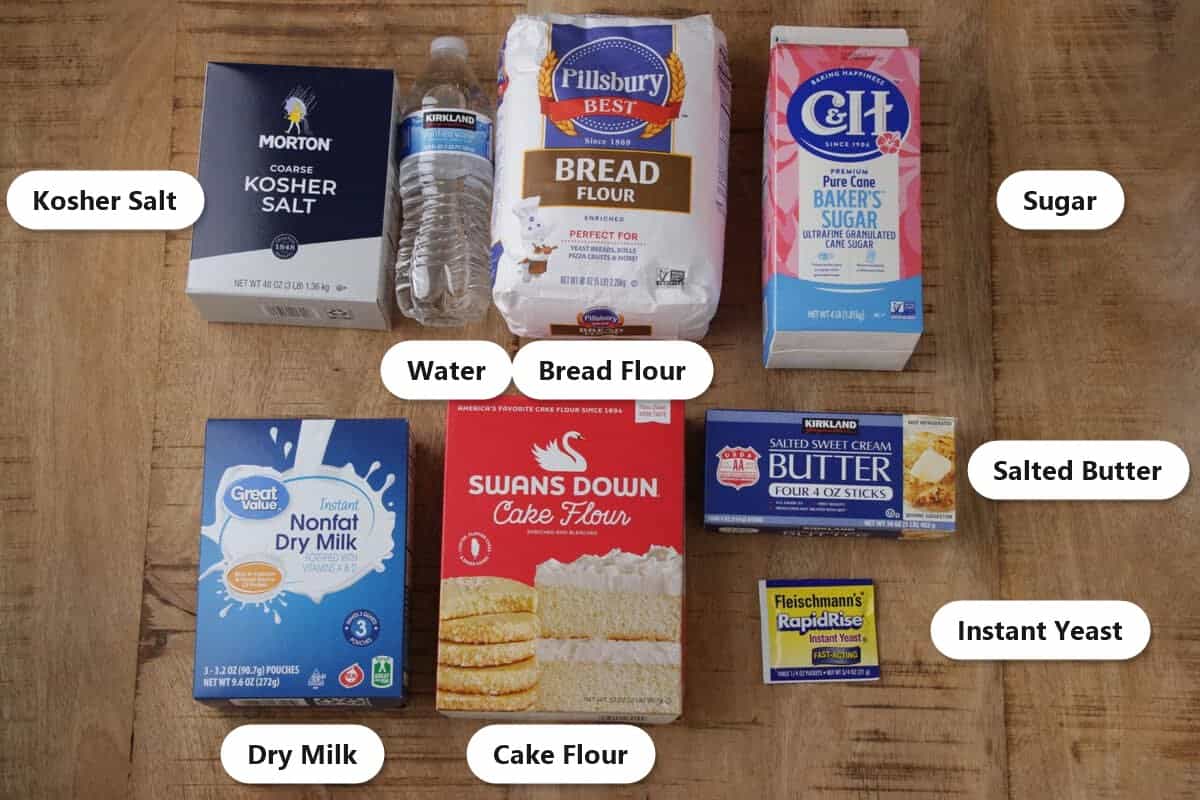
The ingredient list is short, but each one has a real job in the dough.
- Bread Flour and Cake Flour: The combination is the secret to a roll that is strong enough to shape but still soft. Bread flour builds structure, the same way it does in our easy homemade white bread, and cake flour keeps the crumb tender.
- Ice Water: Cold water keeps the dough from overheating during the long knead, which keeps it smooth and easy to roll thin.
- Nonfat Dry Milk Powder and Sugar: Milk powder gives the rolls a rich, milky flavor and a softer crumb, and the sugar feeds the yeast and helps the tops brown.
- Instant Yeast and Kosher Salt: Instant yeast works fast and dissolves right into the dough. The salt in the dough is modest because the real salty hit comes from the topping, just like the coarse salt crunch on our homemade soft pretzels.
- Unsalted and Salted Butter: A little cold unsalted butter goes into the dough for softness. The salted butter, cut into 12 cold batons, rolls up inside each piece and becomes the melty center and the crisp bottom.
- Flaky Sea Salt: The finishing touch. Flaky salt or pretzel salt on top gives every bite a salty crunch against the buttery dough.
See recipe card for exact quantities.
Variations and Substitutions
Once you have the basic roll down, it is easy to change things up.
- Garlic butter salt bread. Mash a little grated garlic and chopped parsley into the butter batons before you freeze them, then brush the baked rolls with melted butter, the same flavor we love on our pizzeria style garlic knots.
- Everything bagel salt bread. Swap the flaky salt for everything bagel seasoning for a savory, crunchy topping that is great for breakfast sandwiches.
- Cheese filled rolls. Tuck a small stick of cheddar or mozzarella next to the butter before you roll it up. The cheese melts into the buttery center.
- Sweet and salty. Brush the warm rolls with honey or sprinkle a pinch of sugar over the salt for a sweet and salty bite the girls go crazy for.
- No stand mixer. You can knead by hand for 20 to 25 minutes. It is a workout, but the dough still gets to the windowpane stage.
- Try a different roll. If the teardrop shaping feels like too much today, the same kind of soft dough bakes up beautifully as Texas Roadhouse rolls brushed with cinnamon honey butter.
How to Make Salt Bread
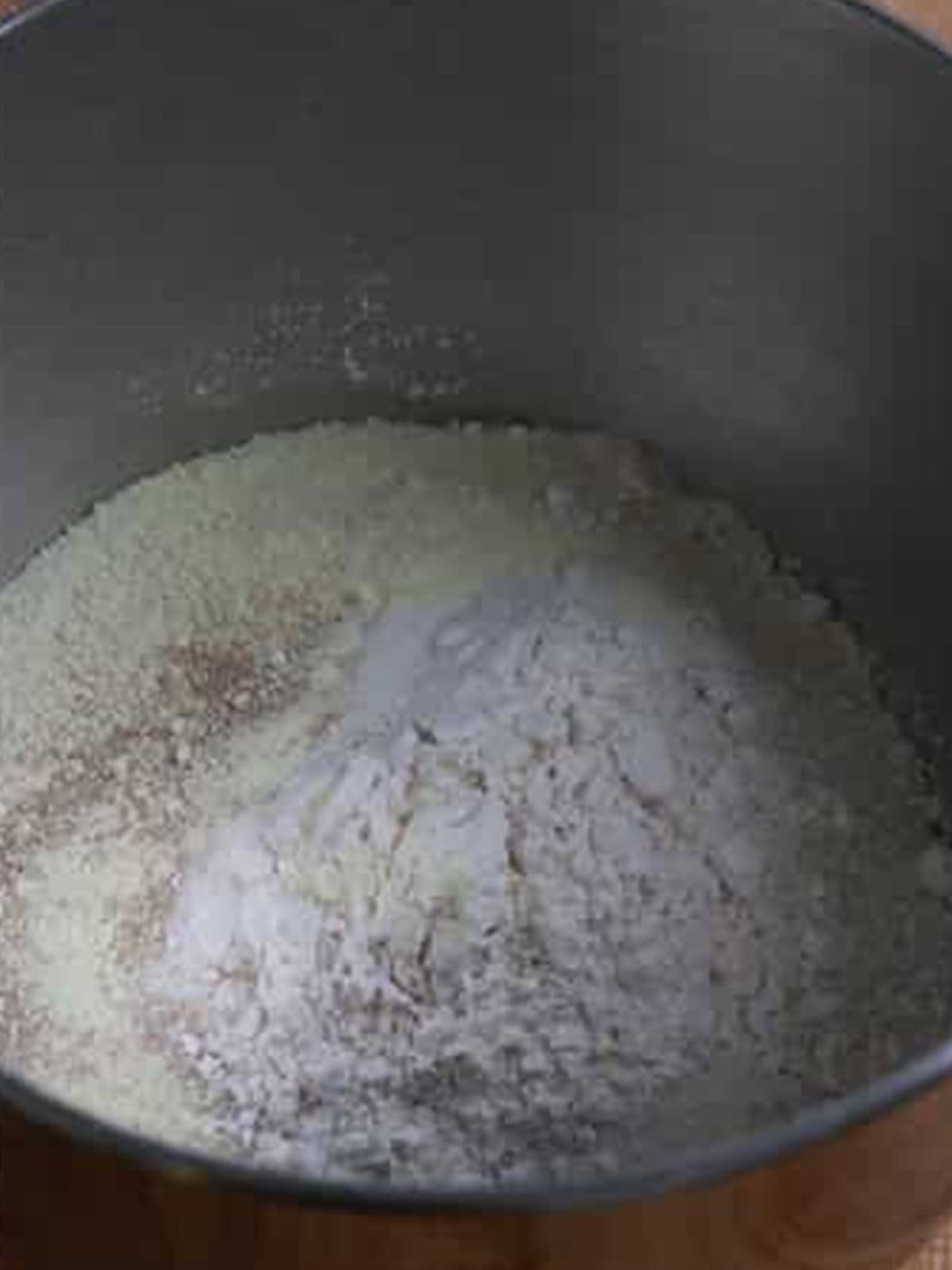
- In the bowl of a stand mixer fitted with a dough hook, combine the bread flour, cake flour, sugar, salt, milk powder, instant yeast, and ice water. Mix on low speed until a shaggy dough comes together.
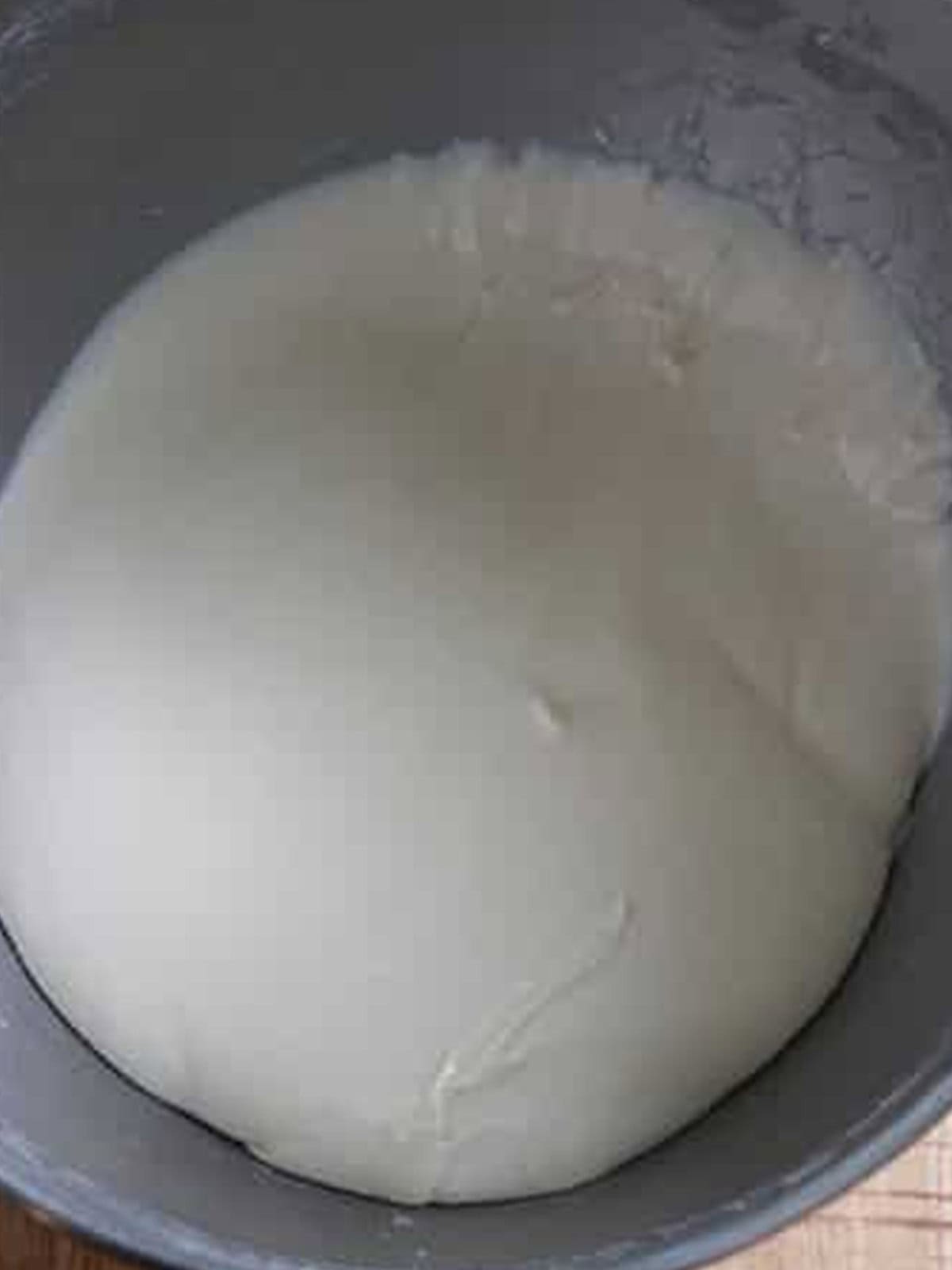
- Add the cold cubed unsalted butter and knead on medium speed for 15 to 20 minutes, until the dough is smooth, elastic, and stretches thin enough to see light through without tearing.
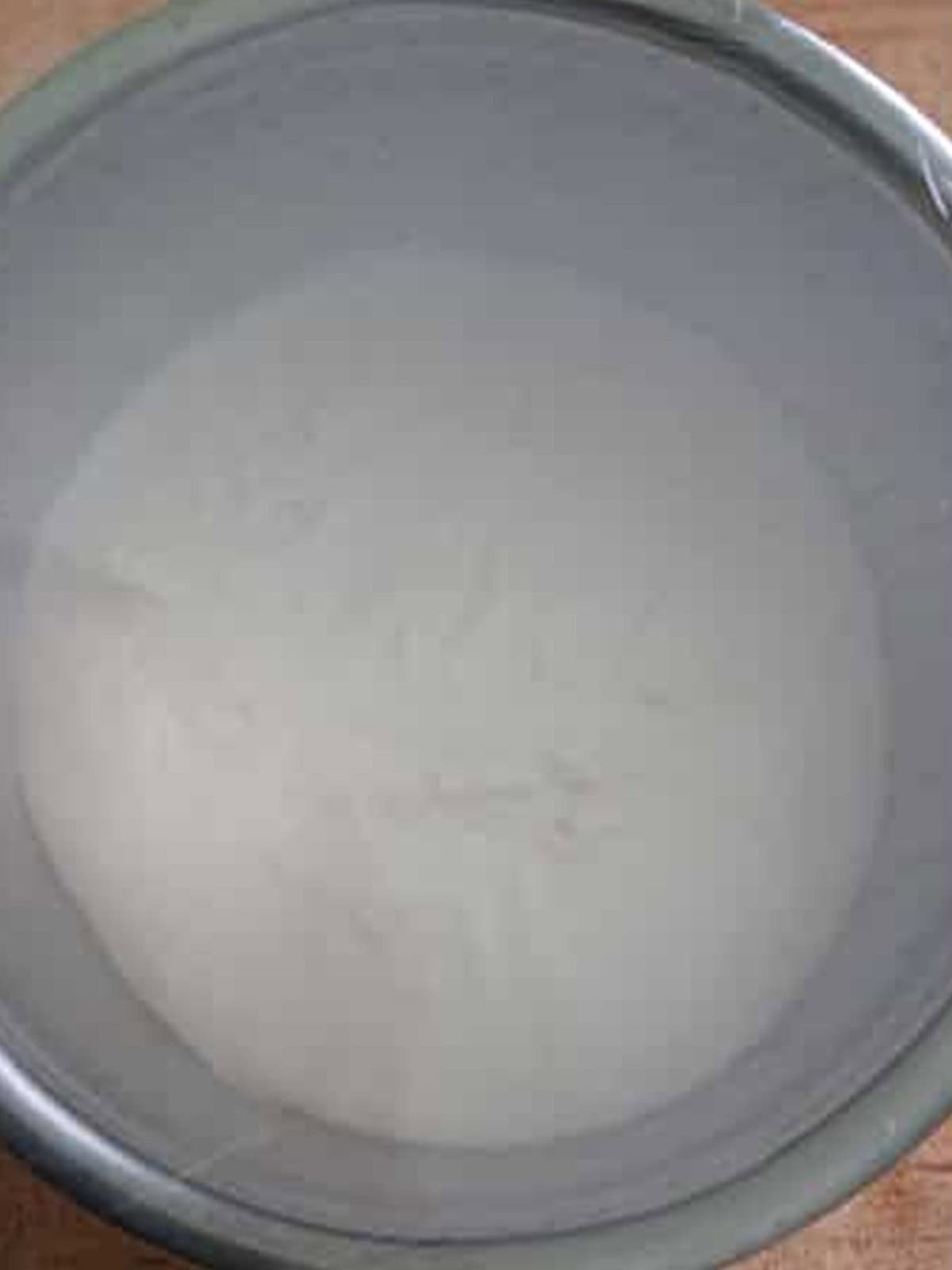
- Shape the dough into a tight ball, set it in a lightly oiled bowl, cover, and let it rise at room temperature until doubled, 60 to 75 minutes.
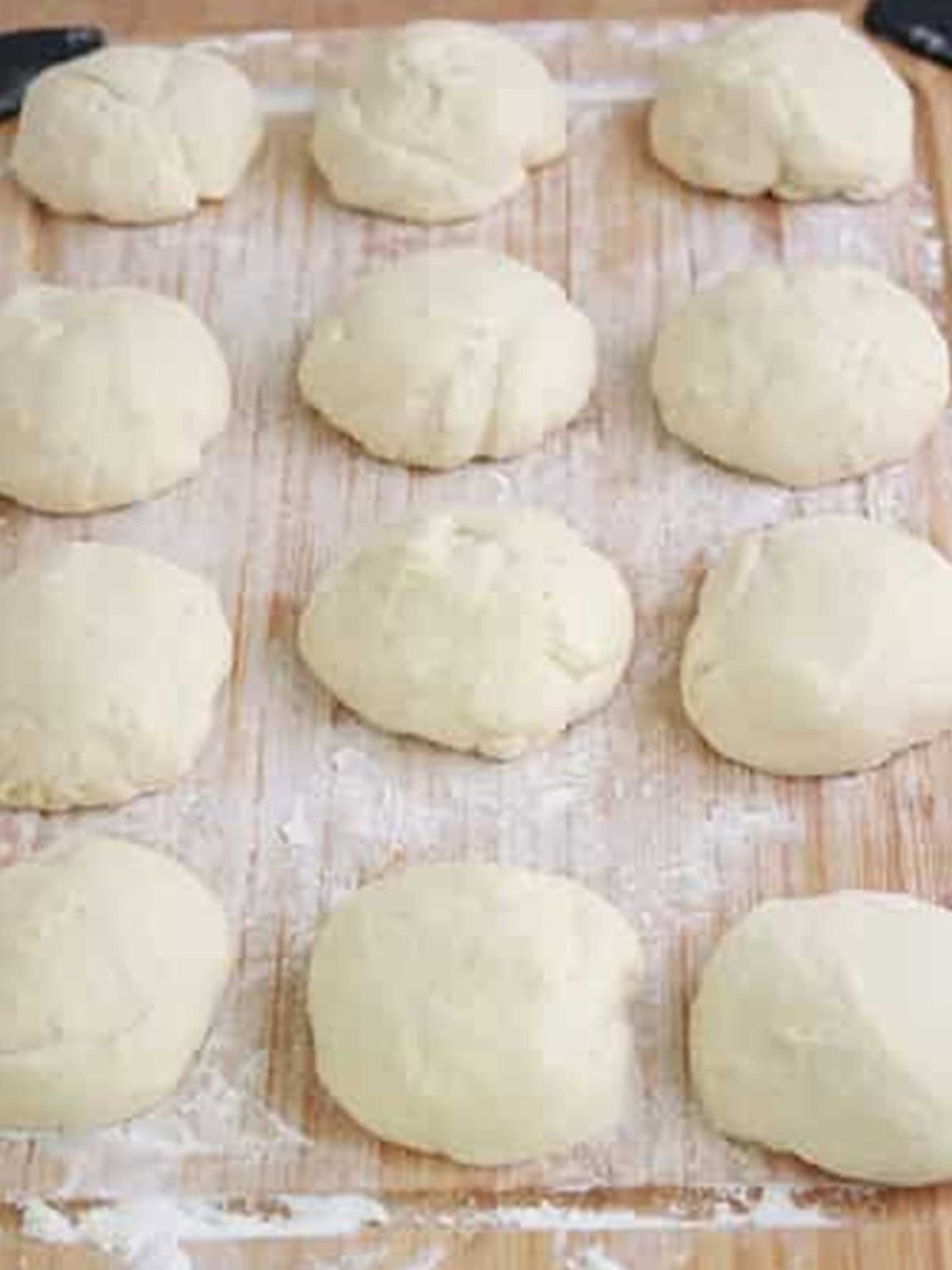
- Press out the air and divide the dough into 12 equal pieces, about 80 grams each. Roll each into a smooth ball, cover, and rest for 15 minutes.
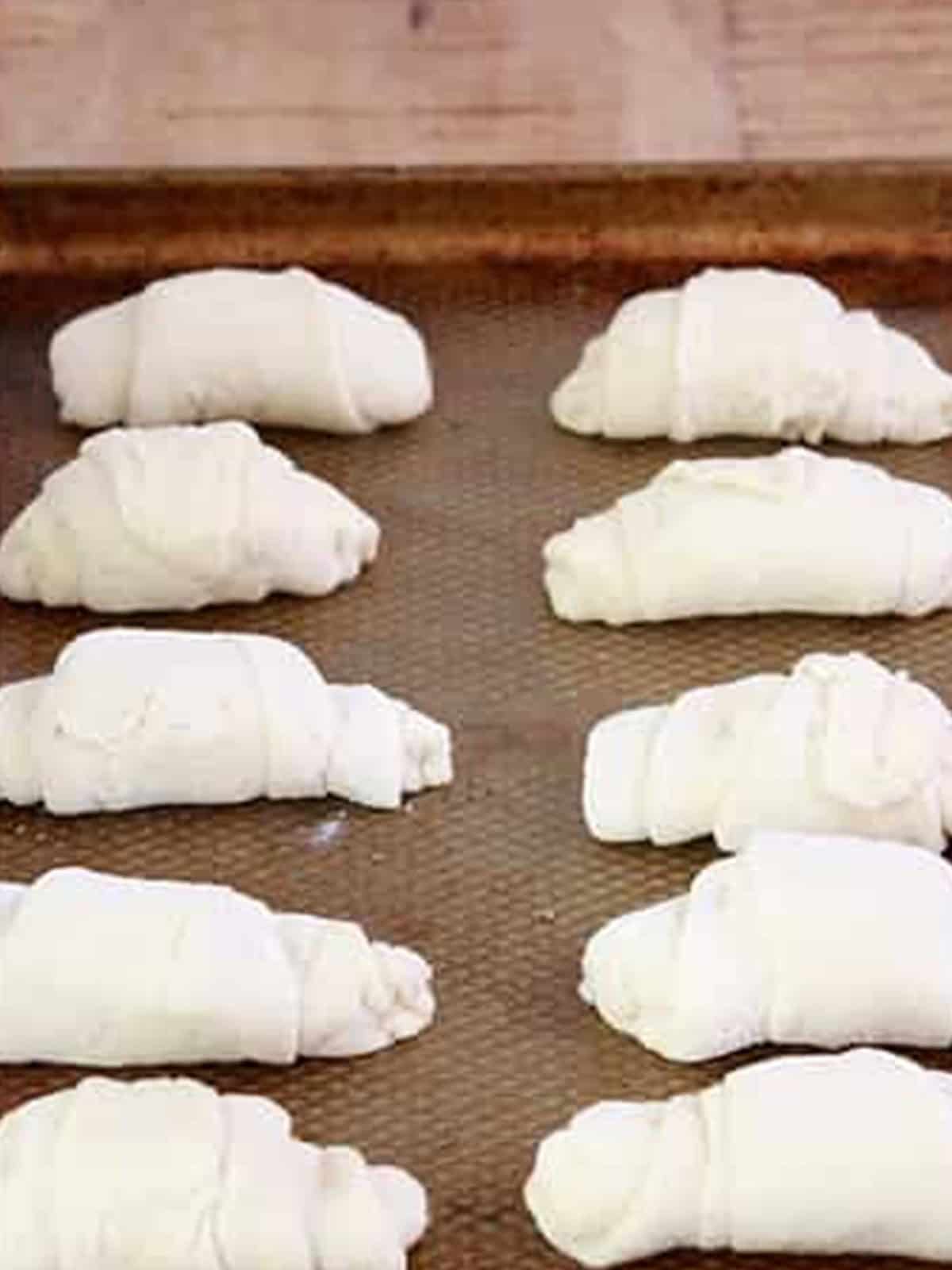
- Roll each ball into a long teardrop, flatten it with a rolling pin, set a cold baton of salted butter on the wide end, and roll it up toward the point. Place seam side down on a greased nonstick metal pan, cover, and proof 45 to 60 minutes until pillowy.

- Preheat the oven to 450 degrees Fahrenheit. Mist the rolls with water, sprinkle with flaky salt, and mist again. Bake at 400 degrees Fahrenheit for 12 to 15 minutes until golden on top and crisp on the bottom.
Recipe Tips & Tricks
- Freeze the butter batons for 10 minutes. Cut the salted butter into 12 sticks and pop them in the freezer while the dough balls rest. Firm butter is much easier to roll up and it melts slowly in the oven.
- Do the windowpane test. Pinch off a small piece of dough and stretch it between your fingers. If it goes thin enough to see light through without tearing, it is ready. We use the same check on our homemade brioche.
- Roll the teardrops in two stages. Roll them into long cones, let them rest 5 minutes, then roll them out flat. Dough that has rested stretches without shrinking back.
- Keep the seam down and tight. A loose seam is where butter escapes. Pinch it closed and set every roll seam side down so the weight of the roll keeps it sealed.
- Use a metal pan, not glass. A nonstick metal pan heats fast and gets the bottoms crisp in the melted butter. Glass and stoneware leave them pale and soft.
- Mist before and after the salt. The water helps the salt stick and keeps the tops soft enough to rise fully before the crust sets, a trick borrowed from baking 5 minute artisan bread.
- Watch the proof, not the timer. In a cool kitchen the final proof can take longer. The rolls are ready when they look puffy and a gentle press springs back slowly.
Serving Ideas and Suggestions
Salt bread is at its best warm, straight from the pan, while the butter center is still melty. For a cozy dinner, set a basket next to a big pot of clam chowder or tuck a couple into a bread basket with garlic rosemary focaccia and air fryer garlic naan for a bread lover’s spread.
For breakfast, split a warm roll and fill it with scrambled eggs and a slice of cheese, or serve it next to a cup of coffee with a little jam on the side. The salty crunch with something sweet is a combination Lizzie asks for every weekend.
Baking for a crowd? Line them up on a board with ciabatta bread rolls, Cheesecake Factory brown bread, and a batch of Southern buttermilk biscuits. When the girls want to keep baking, homemade cinnamon rolls and homemade English muffins are the next two projects we always reach for.
Salt Bread FAQs
Salt bread, called shio pan in Japan, is a soft, rolled bread with a stick of butter baked inside and flaky salt on top. It became hugely popular in Korean bakeries. The butter melts into the middle and pools under the roll, which gives it a hollow, buttery center and a crisp, golden bottom.
Usually the dough was underkneaded or overproofed. Knead until the dough passes the windowpane test so it has enough strength, and bake the rolls as soon as they look pillowy. Overproofed rolls lose their structure and spread when the butter melts.
The butter was too warm or the seam was not sealed. Keep the butter batons cold until the second you roll them in, roll the dough snugly around the butter, pinch the seam closed, and set each roll seam side down on the pan.
Yes. After shaping, cover the rolls and refrigerate them overnight. In the morning, let them sit at room temperature for 45 to 60 minutes until puffy, then salt and bake. Baked salt bread is best the same day, but you can rewarm leftovers at 350 degrees Fahrenheit for about 5 minutes to crisp the bottoms again.
Absolutely. Freeze baked, cooled rolls in an airtight freezer bag for up to 2 months. Rewarm them straight from the freezer at 350 degrees Fahrenheit for 8 to 10 minutes. The bottoms crisp back up and the center gets soft and buttery again.
You can use all purpose flour in place of both flours. The rolls will be a little softer and slightly less tall, but still delicious. If you only have bread flour, use it for all of it and expect a chewier roll, closer to our homemade pizza dough than a bakery bun.


Still in a baking mood? Our pesto stuffed challah, Dutch oven sourdough bread, and soft dinner rolls are where I would go next.


Buttery Salt Bread
Ingredients
- 3 cups bread flour
- 1 1/4 cups cake flour
- 1 1/2 cups ice water
- 1 1/2 tablespoons granulated sugar
- 1 1/2 teaspoons kosher salt or fine sea salt
- 1/4 cup nonfat dry milk powder
- 2 1/4 teaspoons instant yeast 1 packet, active dry yeast works too
- 2 1/2 tablespoons unsalted butter cold, cut into small cubes
- 1 cup salted butter very cold, cut into 12 batons for the filling
- 2 teaspoons flaky sea salt or pretzel salt, for topping
- 1 teaspoon neutral oil for greasing the bowl and pan
Instructions
- In the bowl of a stand mixer fitted with a dough hook, combine the bread flour, cake flour, sugar, salt, milk powder, yeast, and ice water. Mix on low speed until a shaggy dough comes together.3 cups bread flour, 1 1/4 cups cake flour, 1 1/2 cups ice water, 1 1/2 tablespoons granulated sugar, 1 1/2 teaspoons kosher salt, 1/4 cup nonfat dry milk powder, 2 1/4 teaspoons instant yeast
- Add the cold unsalted butter and turn the mixer to medium speed. Knead for 15 to 20 minutes, until the dough is smooth, elastic, and stretches thin enough to see light through it without tearing (the windowpane test). It should feel slightly tacky but not sticky.2 1/2 tablespoons unsalted butter
- Shape the dough into a tight ball and set it in a lightly oiled bowl. Cover and let it rise at room temperature until doubled, 60 to 75 minutes. A floured finger pressed into the dough should leave a dent that stays.1 teaspoon neutral oil
- Turn the dough out onto a clean counter and press out the air. Divide it into 12 equal pieces, about 80 grams each. Roll each into a smooth ball, cover loosely, and rest for 15 minutes so the gluten relaxes.
- Roll each ball into a long teardrop shape. With a rolling pin, flatten the narrow end first, gently pulling it down to lengthen it, then flatten the wide end into a triangle just wider than a butter baton.
- Set a cold baton of salted butter on the wide end of each teardrop and roll the dough snugly toward the point. Pinch the seam closed and set each roll seam side down.1 cup salted butter
- Lightly grease a nonstick metal baking pan and arrange the rolls with space between them. Cover and proof until doubled and pillowy, 45 to 60 minutes. A gentle press should leave a dent that slowly springs back.
- Preheat the oven to 450 degrees Fahrenheit (232 degrees Celsius).
- Lightly mist the rolls with water, sprinkle the tops with flaky salt, then mist again so the tops stay moist in the hot oven.2 teaspoons flaky sea salt
- Put the pan in the oven and immediately lower the temperature to 400 degrees Fahrenheit (204 degrees Celsius). Bake 12 to 15 minutes, rotating once if needed, until the tops are lightly golden and the bottoms are deeply browned and crisp.
- Let the rolls rest on the pan for 2 to 3 minutes, then serve warm while the butter center is still melty.
Notes
- Use ice water to keep the dough cool while it kneads, so the butter in the dough never gets greasy.
- Keep the butter batons in the fridge until the second you roll them in. Warm butter leaks out and you lose the molten center.
- Rest the dough balls the full 15 minutes before rolling. Relaxed dough rolls into long teardrops without springing back.
- Watch the final proof, not the clock. Pillowy and doubled is the goal, overproofed rolls can split and leak butter.
- A nonstick metal pan gives the crispiest, deepest golden bottoms. Rotate the pan once if your oven has hot spots.
- Salt bread is best the day it is baked. Rewarm leftovers at 350 degrees Fahrenheit for 5 minutes to bring back the crisp bottom.
Nutrition
Love This Recipe?
Follow @ThisSillyGirlsKitchen on Instagram and @ThisSillyGirlsKitchen on Pinterest for more!
Shared at Full Plate Thursday and Weekend Potluck.