This post may contain affiliate links.
This brioche bread is rich, buttery, and pillowy soft, with a tender golden crumb that practically melts in your mouth, and it is so much easier to make than it looks. I baked my first braided loaf on a slow weekend morning and the whole kitchen smelled like a French bakery. If you love a from-scratch baking project like our Dutch oven sourdough, this buttery beauty is your next must-bake.
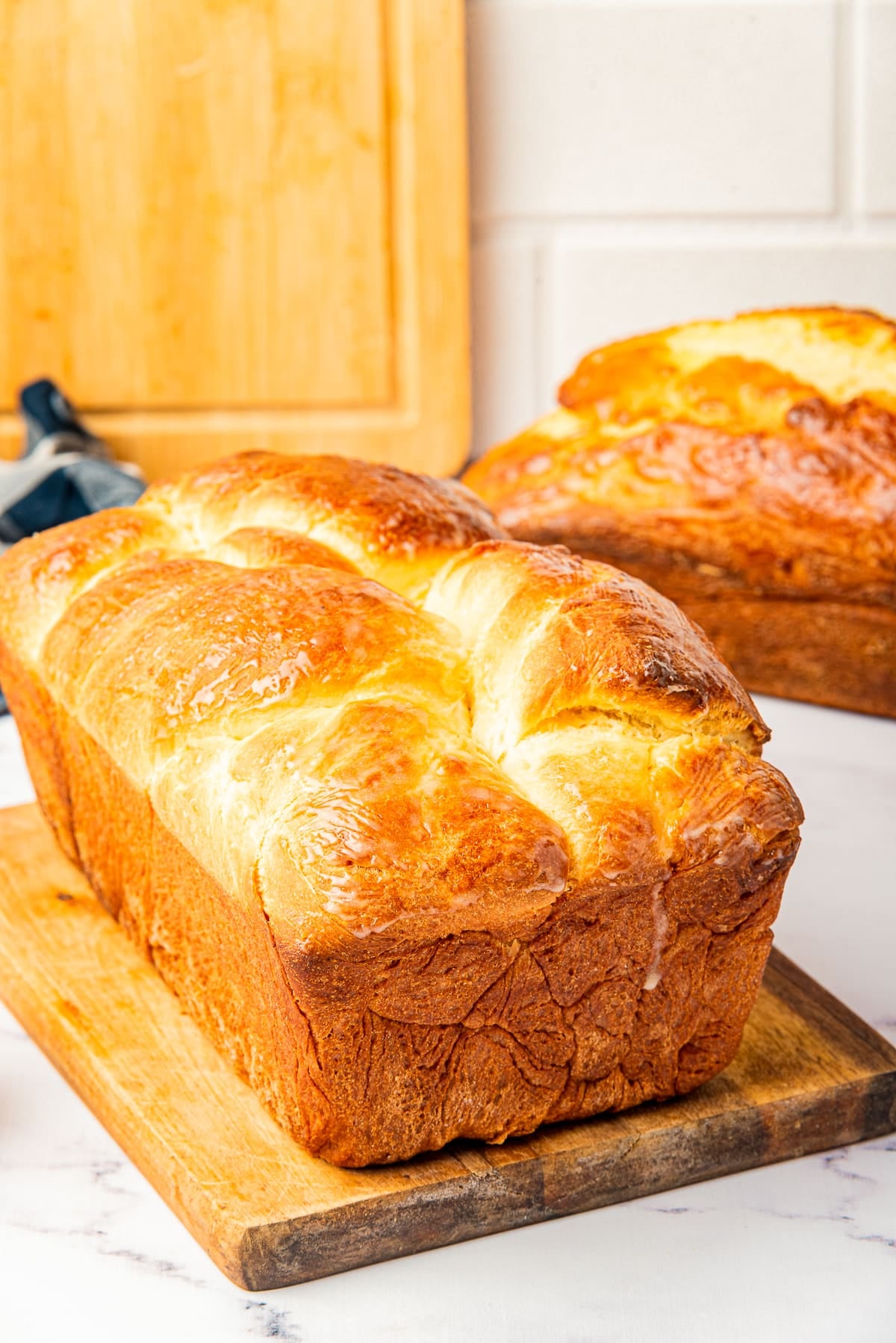
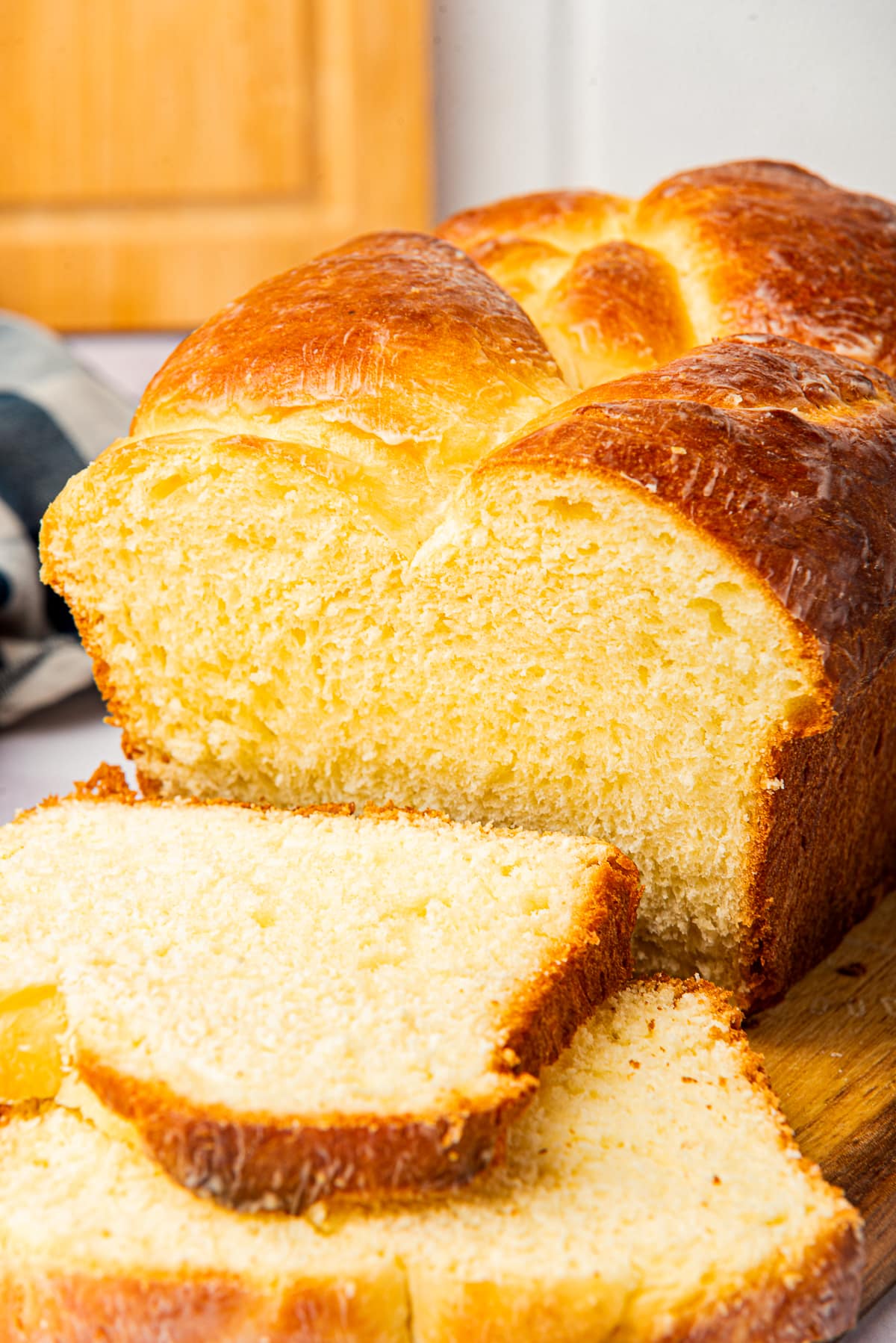
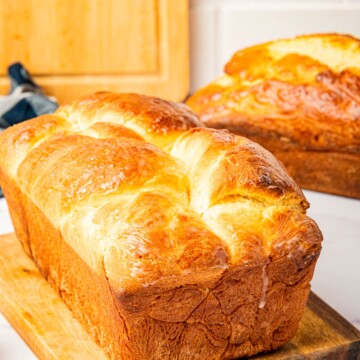
Enriched with eggs and loads of butter, this homemade brioche bread bakes into two tender, golden braided loaves that are perfect for toast, sandwiches, and French toast.
Brioche Bread Quick Look
- 🕒 Prep Time: 20 minutes
- 🌡️ Cook Time: 35 minutes
- ⏳ Total Time: About 3 hours (with rising)
- 🍽️ Serving: 2 loaves
- ⚡ Calories: 2740kcal per loaf
- 🌶️ Flavor Profile: Rich, buttery, and soft
- ✋ Difficulty: Intermediate, mostly hands-off rising
Quick Answer
To make brioche bread, start a yeast sponge with flour, sugar, and warm milk, then mix in the remaining flour, eggs, and salt. Knead until silky, add softened butter a tablespoon at a time, and knead until glossy. Let the dough rise, braid it into loaves, rise again, brush with egg wash, and bake at 375 degrees until deeply golden, about 35 minutes.
Jump to:
Why This Recipe Works
Click to see the technique science
- The yeast sponge gives a head start. Blooming the yeast with flour, sugar, and warm milk first guarantees an active rise and a light, fluffy crumb.
- Lots of butter makes it rich. Adding the softened butter slowly, one tablespoon at a time, lets it fully emulsify into the dough for that signature tender, buttery texture.
- Eggs enrich the dough. Six eggs give brioche its golden color, soft crumb, and rich flavor that sets it apart from regular sandwich bread.
- Long kneading builds structure. Kneading until the dough is silky and elastic develops the gluten so the loaf rises tall and holds that beautiful braid.
- An egg wash gives a glossy crust. Brushing the risen loaves with egg wash before baking creates that deep golden, shiny, bakery-worthy crust.
Why You’ll Love This Recipe
- It is rich, buttery, and unbelievably soft, just like the brioche from a French bakery.
- It makes two gorgeous braided loaves, perfect for sharing, gifting, or freezing for later.
- It is endlessly versatile for toast, sandwiches, and French toast, much like our crescent roll cinnamon rolls.
- It has earned a permanent spot in our rotation, right up there with our chocolate chip red velvet banana bread.
- It has earned a permanent spot in our rotation, right up there with our copycat panera broccoli cheddar soup.
- It earns a spot in the rotation right next to our 5 minute artisan bread.
- It has earned a permanent spot in our rotation, right up there with our apple cinnamon monkey bread.
Key Ingredients
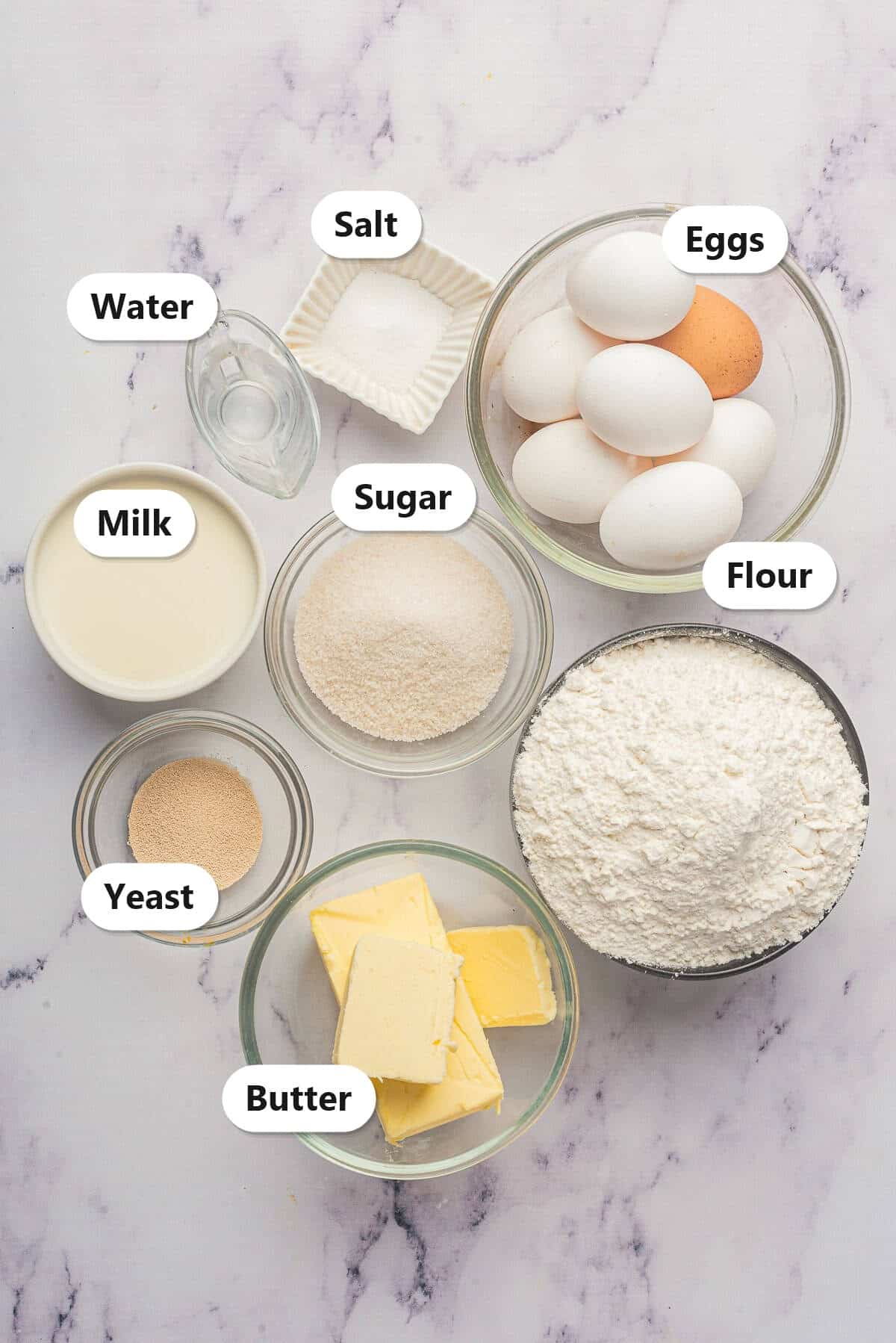
Here are the simple, rich ingredients that make this brioche bread so tender and buttery.
- All-purpose flour: The base of the dough, giving the brioche its soft structure and chew.
- Eggs: Six eggs enrich the dough for that signature golden color, rich flavor, and tender crumb.
- Butter: Plenty of softened butter is what makes brioche so luxuriously rich and soft.
- Active dry yeast and warm milk: The yeast blooms in warm milk to give the loaves a beautiful rise.
- Sugar and salt: A touch of sugar feeds the yeast and lightly sweetens the bread while salt balances the flavor.
See recipe card for exact quantities.
Variations and Substitutions
This brioche bread is a wonderful base for all kinds of variations.
- Brioche buns: Divide the dough into rounds and bake in a muffin tin or on a sheet pan for soft burger or slider buns.
- Cinnamon swirl: Roll the dough flat, sprinkle with cinnamon sugar, then roll and braid for a sweet breakfast loaf.
- Chocolate chip: Knead in mini chocolate chips for a kid-favorite treat.
- Orange or vanilla: Add orange zest or a splash of vanilla to the dough for a fragrant twist.
- One big loaf: Bake the dough as a single larger braid, adding a few extra minutes to the bake time.
- Craving a different flavor next time? Our 2-ingredient ice cream bread delivers the same easy comfort with its own twist.
- Craving a different flavor next time? Our panko bread crumbs recipe delivers the same easy comfort with its own twist.
- In the mood for something different? Our homemade white bread scratches a similar itch.
- Craving a different flavor next time? Our chocolate chip zucchini bread delivers the same easy comfort with its own twist.
How to Make Brioche Bread
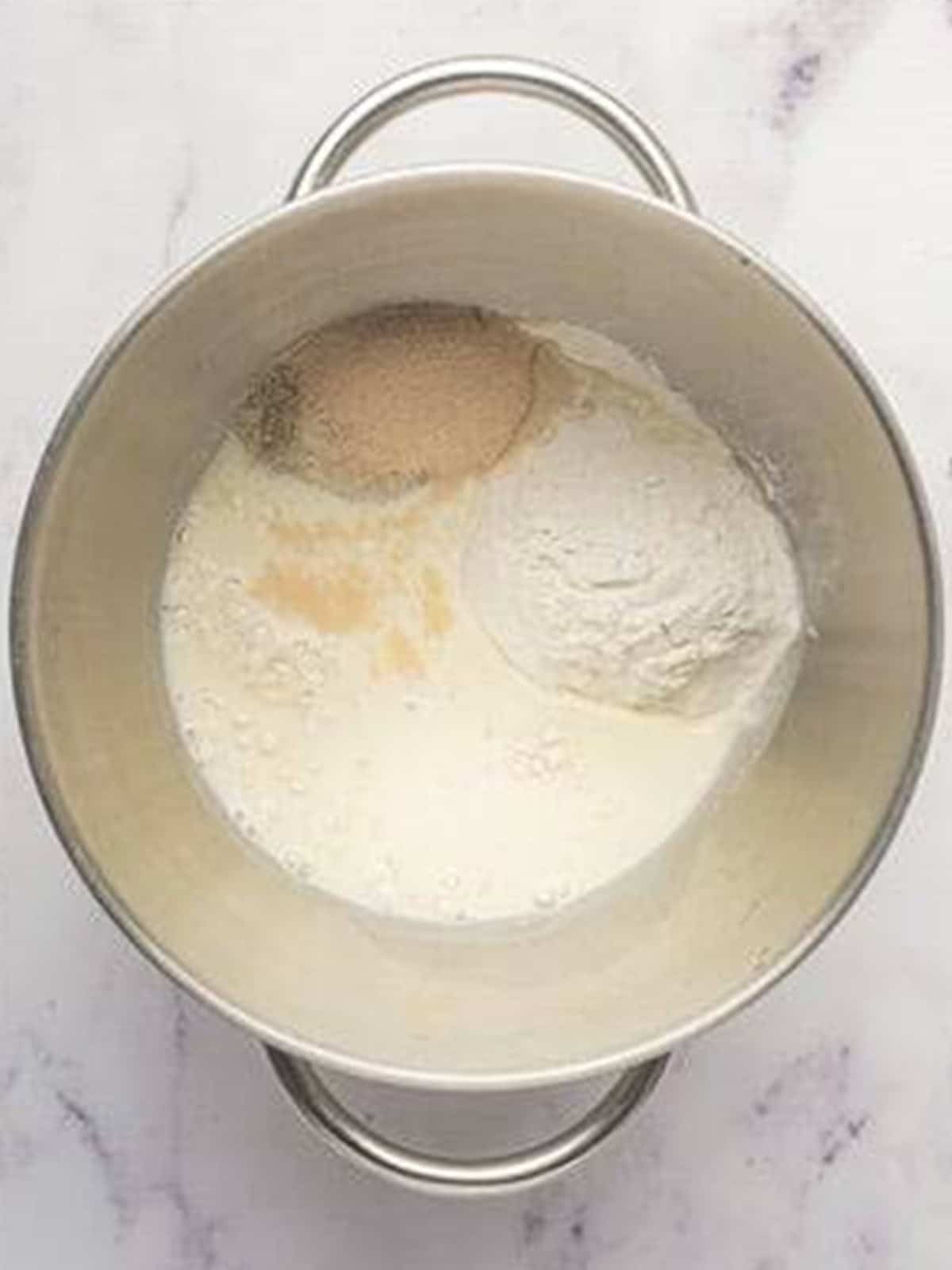
- In a stand mixer bowl, combine the yeast, 1 cup of flour, sugar, and warm milk until a thick paste forms. Cover and let sit about 25 minutes until the yeast is active and bubbly.
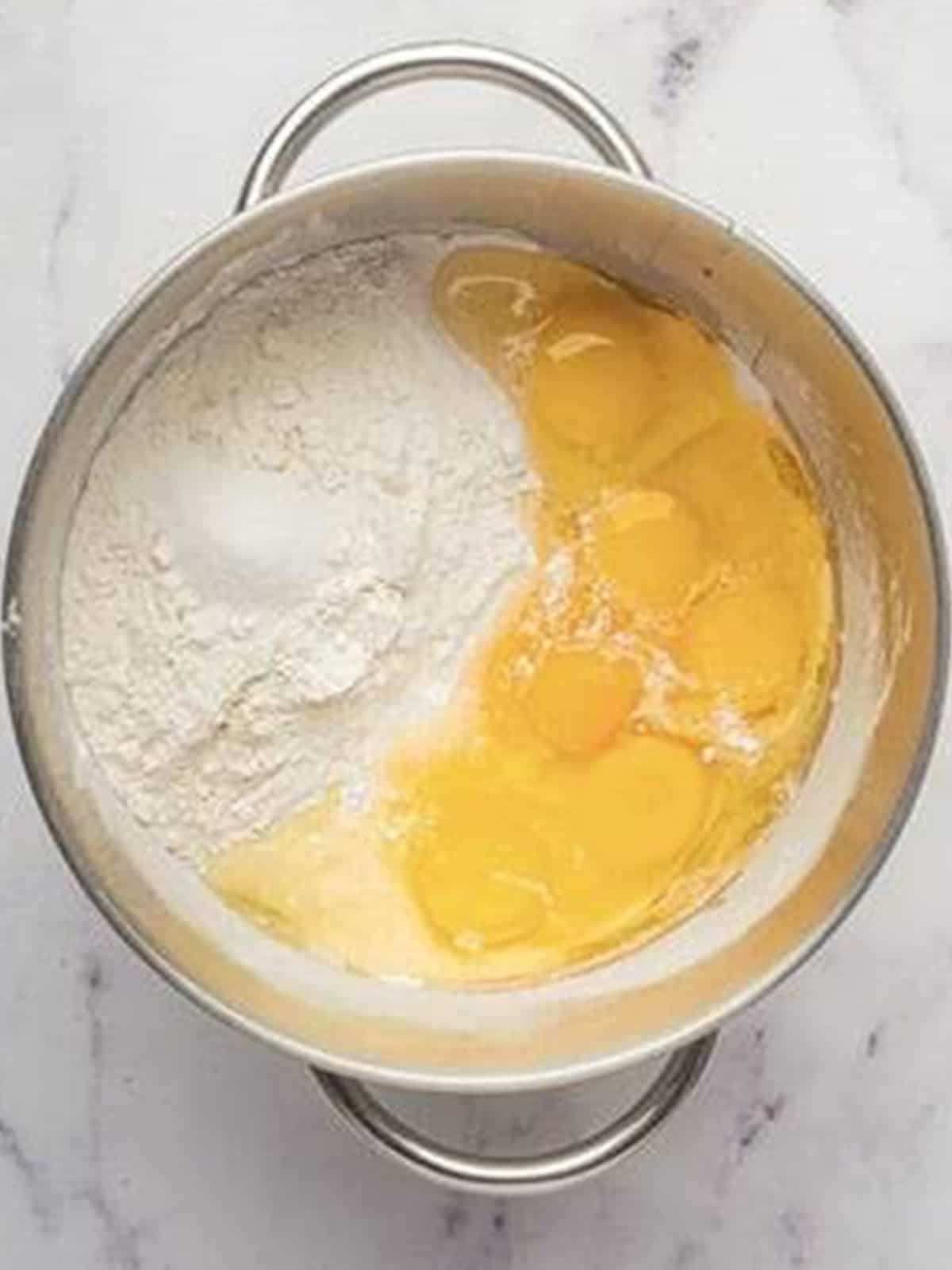
- Add the remaining flour, eggs, and salt to the bowl with the active yeast mixture.
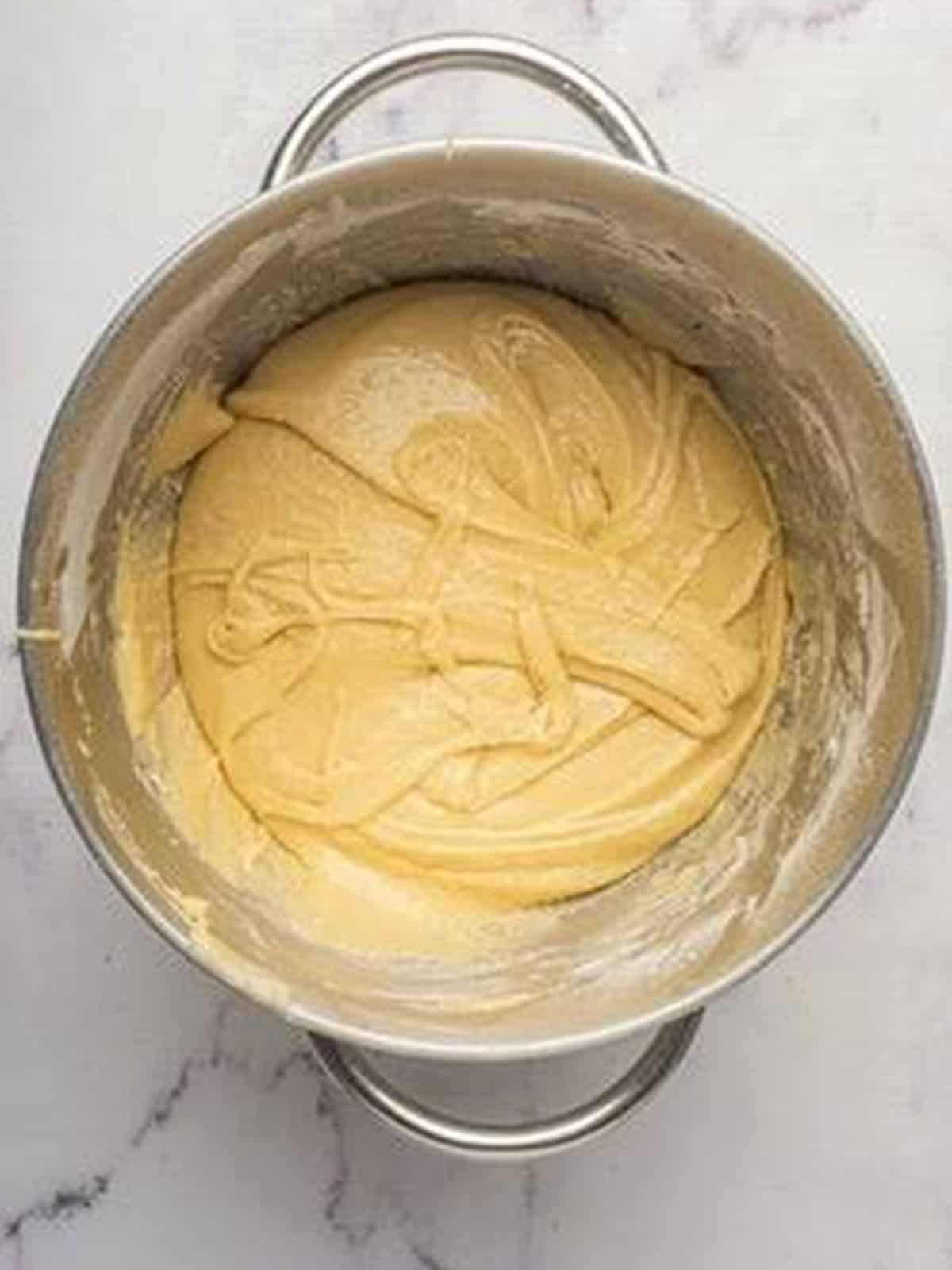
- Using the dough hook, mix on low for 2 minutes, then knead 10 to 12 minutes until the dough looks silky and elastic.
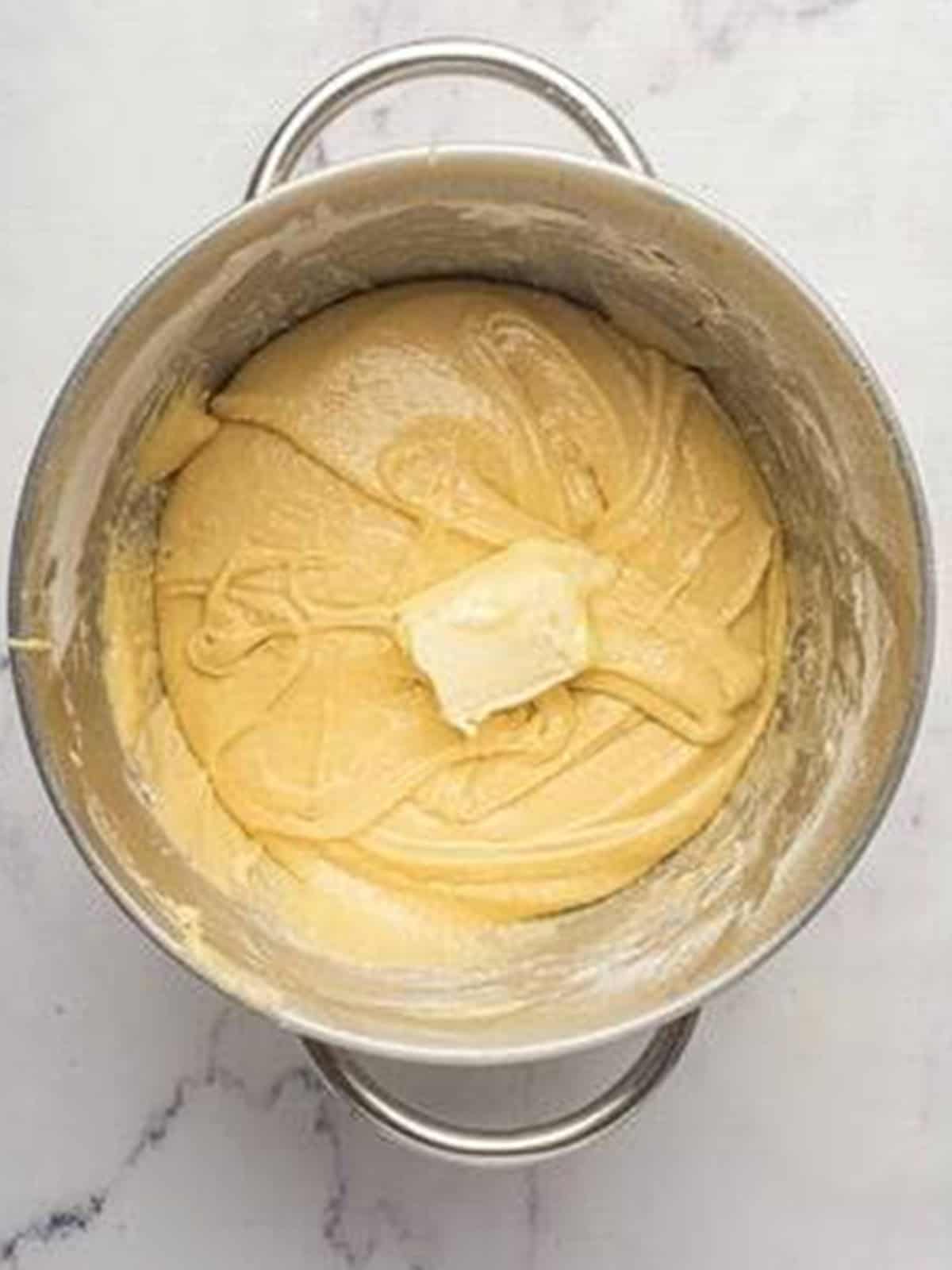
- Gradually add the softened butter one tablespoon at a time, letting each piece fully incorporate, then knead on medium 15 minutes until glossy.
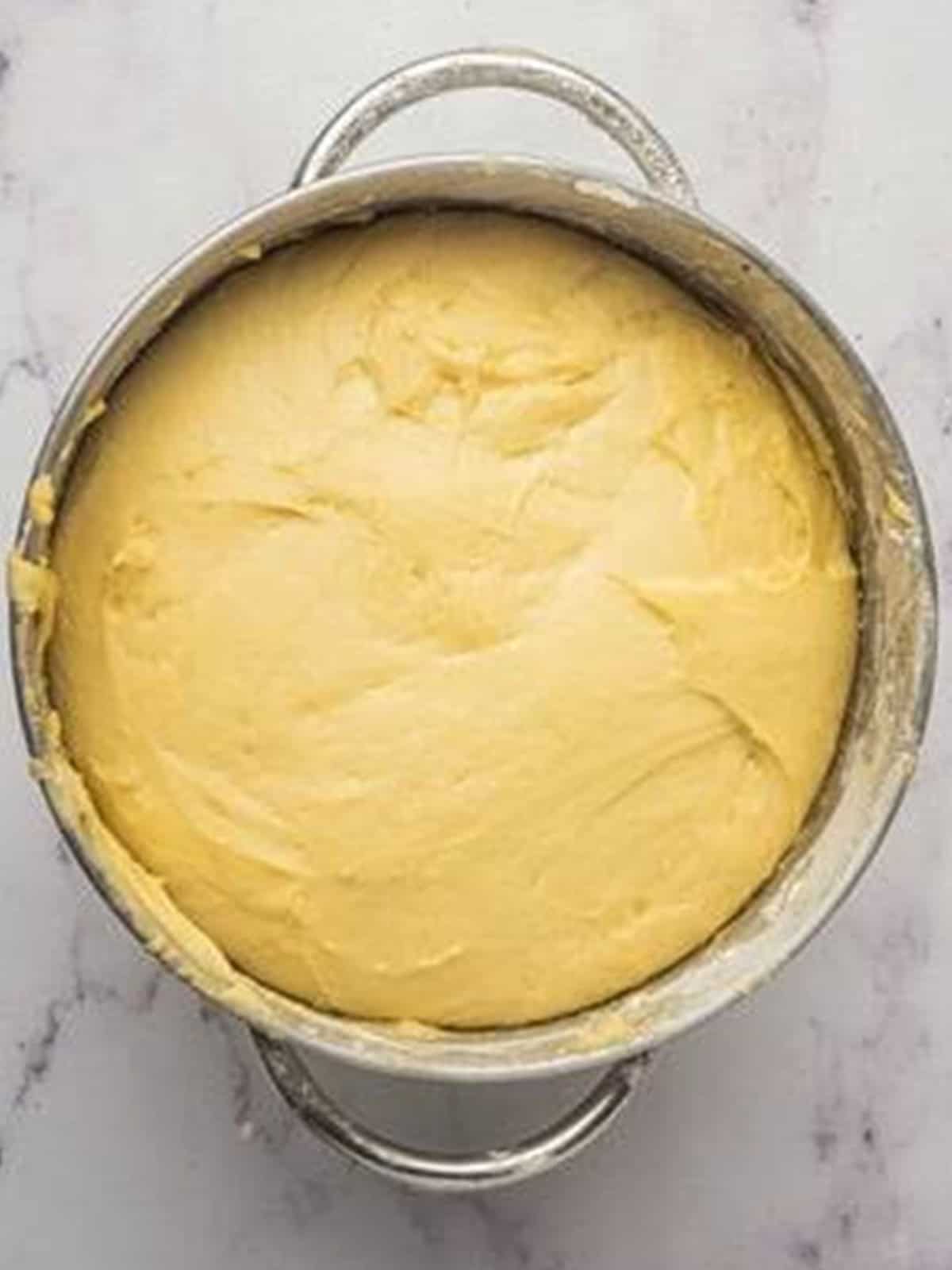
- Cover and let the dough rise about 1 hour until doubled, then punch it down to release the gas.
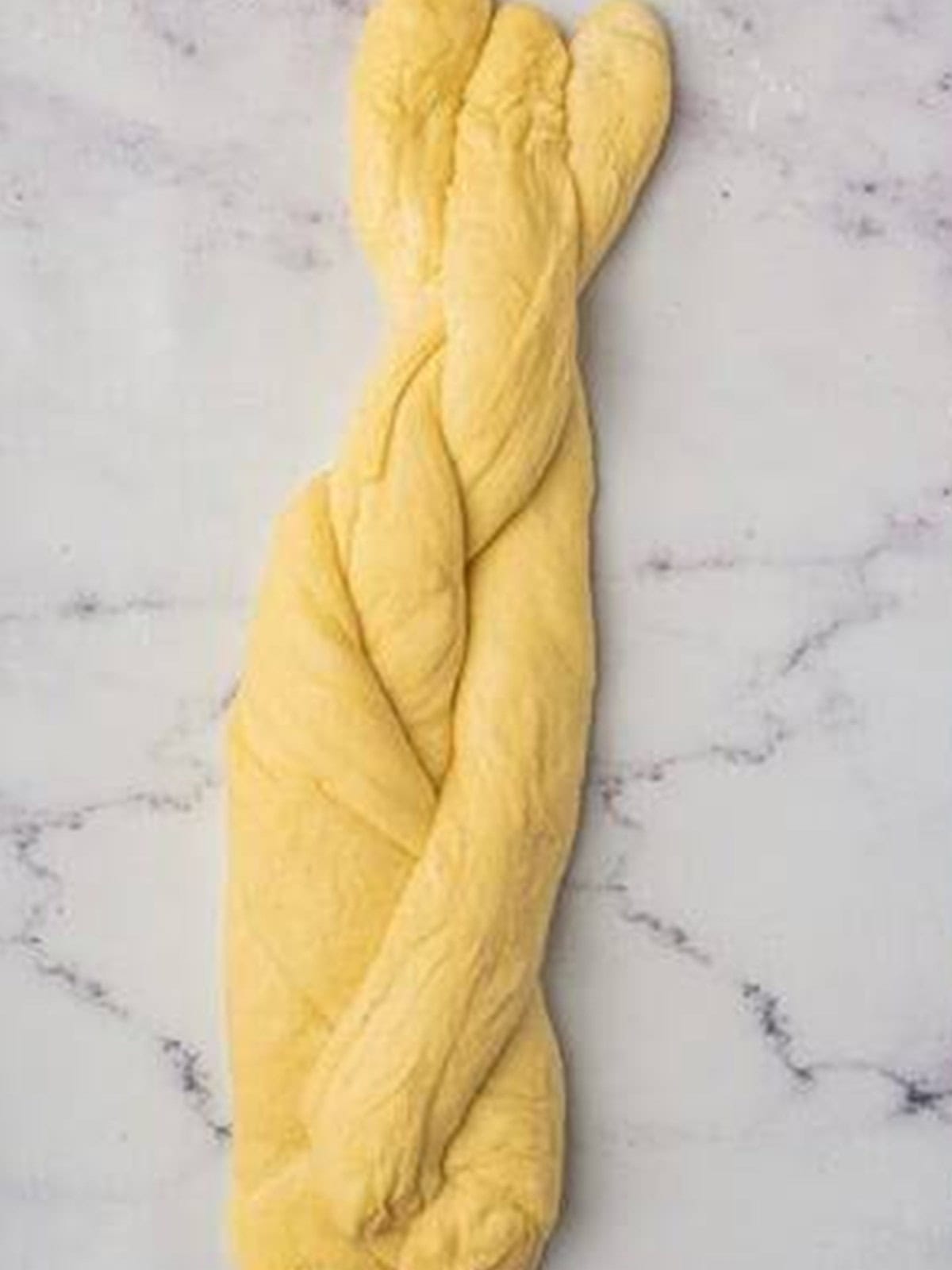
- Divide the dough in two, then divide each half into three pieces, roll into ropes, and braid them together.
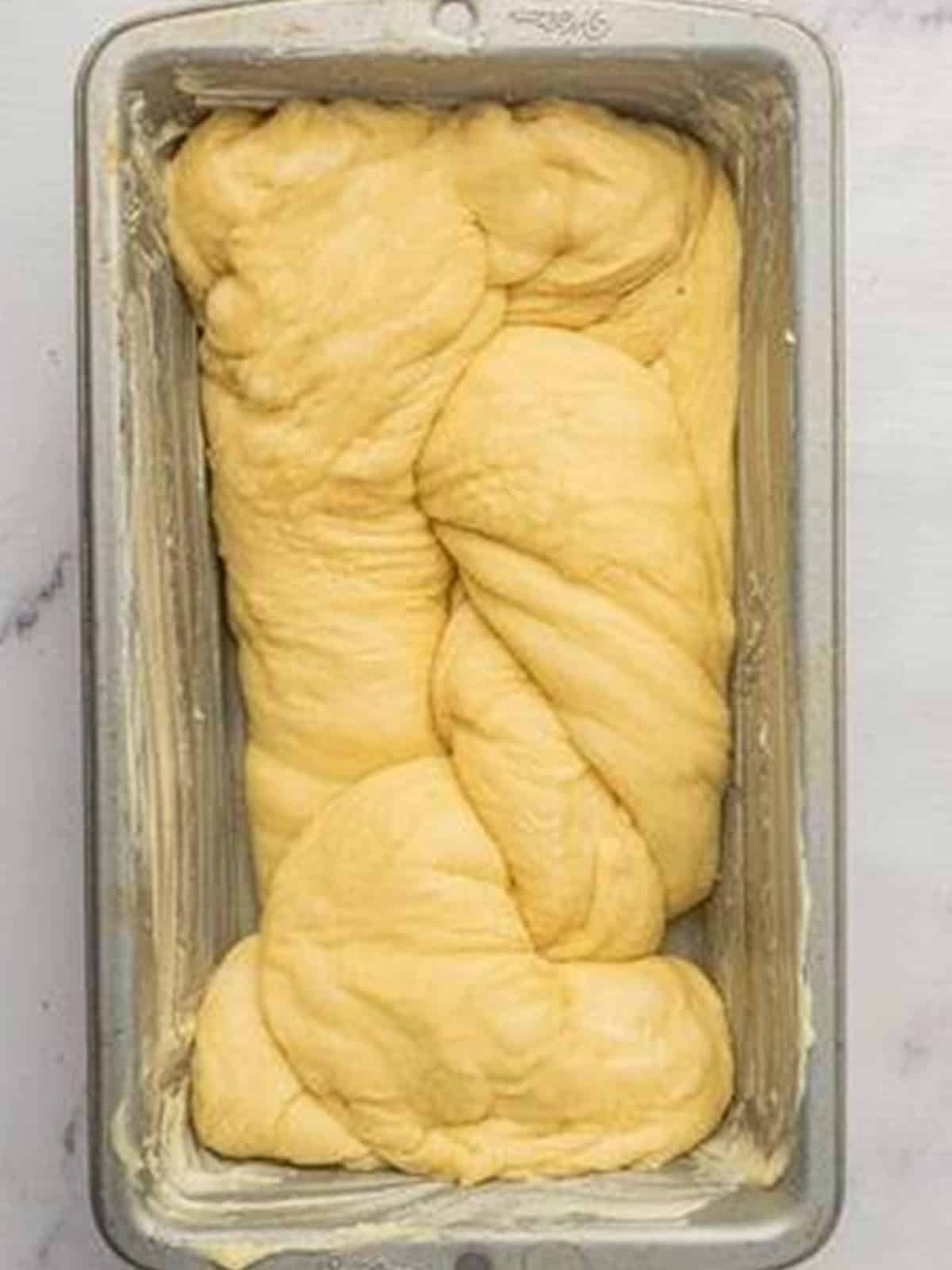
- Pinch the ends to seal and place each braided loaf into a greased 8×4 inch loaf pan. Cover and let rise about 1 hour until doubled, then brush with egg wash.
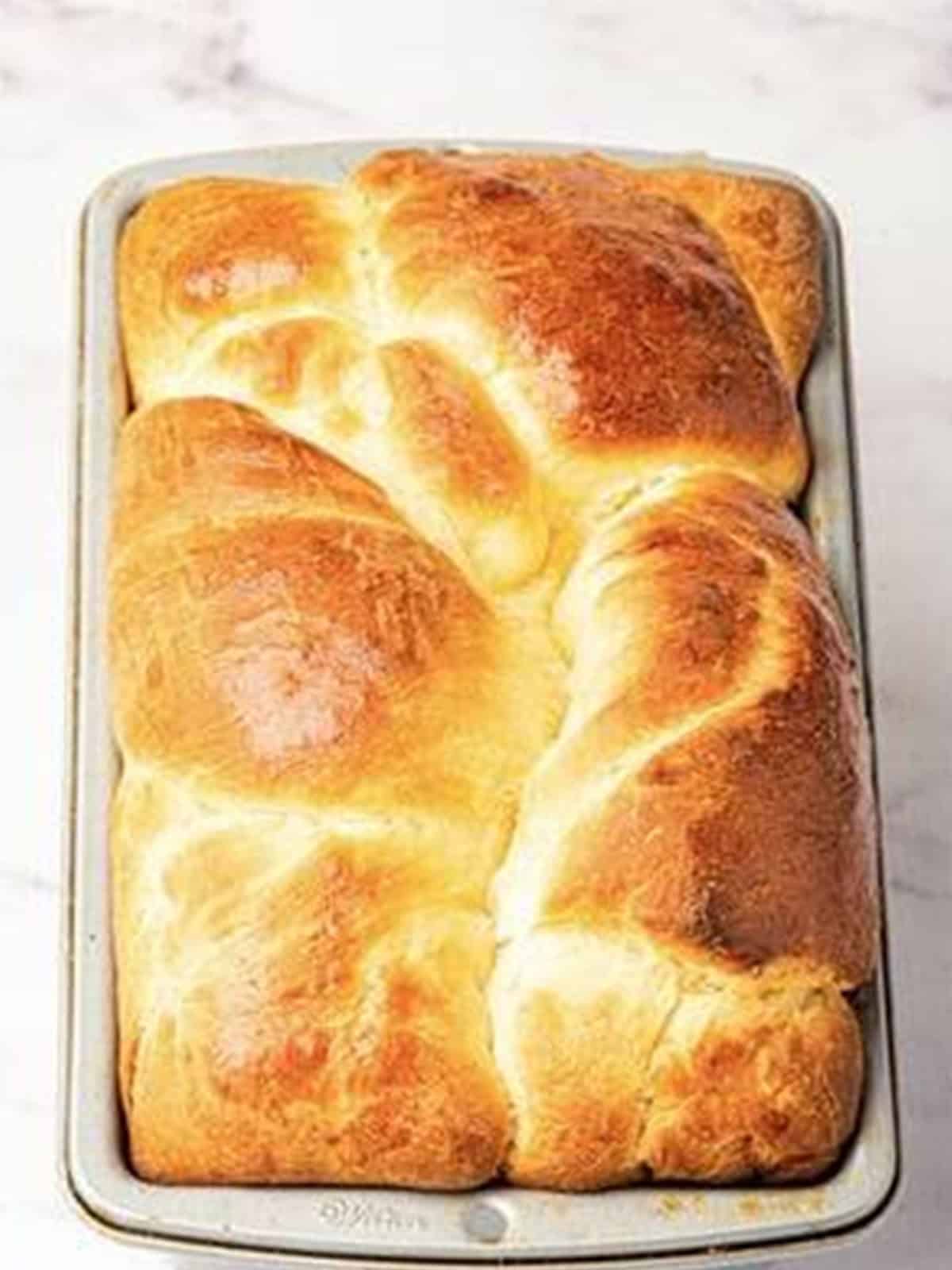
- Bake at 375 degrees for about 35 minutes until deeply golden brown. Cool in the pans a few minutes, then transfer to a wire rack to cool completely.
Recipe Tips & Tricks
- Use room-temperature butter that is soft but not melted so it emulsifies smoothly into the dough.
- Be patient with the butter. Add it one tablespoon at a time and let each piece fully incorporate before adding the next for the silkiest dough.
- Do not rush the kneading. Brioche needs a long knead to develop the gluten that gives it that signature soft, stretchy crumb.
- Let it rise fully both times until doubled, since proper proofing is what makes the loaf light and airy.
- Use an egg wash for that glossy, deep golden bakery crust.
- Tent with foil if the tops brown too quickly before the loaves are baked through.
- Make it a spread. When you are feeding a crowd, round out the table with our nutella braided bread.
- Make it a spread. When you are feeding a crowd, round out the table with our lemon bread.
- Make it a full spread. Our air fryer naan bread rounds out the table.
Serving Ideas and Suggestions
This brioche bread is a true treat, and there is nothing better than a thick slice toasted and slathered with butter and jam for breakfast. The rich, tender crumb makes it absolutely irresistible warm from the oven.
It also makes the most decadent French toast, bread pudding, and grilled cheese, and it is the ultimate bun for burgers and sliders. Use it for elegant tea sandwiches, or simply tear off pieces to enjoy with a cup of coffee. It pairs beautifully with soups and stews like our easy beef stew.
This recipe makes two loaves, so enjoy one fresh and freeze the other for later. Store cooled brioche bread wrapped at room temperature for up to 3 days, or slice and freeze it for up to 3 months. Day-old brioche is perfect for French toast and bread pudding.
Brioche Bread FAQs
Brioche is a rich French bread made with a high proportion of eggs and butter, which gives it a tender, soft, almost cake-like crumb and a deep golden color. It is enriched dough, meaning it has more fat and sugar than a basic sandwich loaf, making it wonderfully soft and flavorful.
Dense brioche usually means the dough was under-kneaded or under-proofed. Brioche needs a long knead to develop gluten and full rises until doubled both times. Make sure your yeast is active and bubbly before adding the rest of the ingredients, and give the dough plenty of time to rise.
You can, but it takes some effort. Brioche dough is very sticky and requires long kneading to incorporate all the butter, which is much easier with a stand mixer and dough hook. By hand, expect to knead and fold for 20 to 25 minutes, keeping your hands and surface lightly buttered.
Store cooled brioche bread wrapped tightly in plastic or in an airtight container at room temperature for up to 3 days. For longer storage, slice the loaf and freeze it in a zip-top bag for up to 3 months, then toast slices straight from frozen.
Brioche bread is incredibly versatile. It makes the best French toast, bread pudding, and grilled cheese, plus soft buns for burgers and sliders. It is also perfect simply toasted with butter and jam, or used for elegant tea sandwiches.
Yes. You can freeze the dough after the first rise. Punch it down, wrap it tightly, and freeze for up to 1 month. Thaw it overnight in the fridge, then let it come to room temperature, shape, do the final rise, and bake as directed.



Still filling out the menu? Readers love pairing this one with our copycat cheesecake factory brown bread, banana nut bread, and blueberry muffins.

Brioche Bread
Ingredients
- 0.25 ounces (7g) active dry yeast
- 5 3/4 cups (720g) all-purpose flour
- 1/3 cup (75g) granulated sugar
- 3/4 cup (180ml) warm milk
- 6 large eggs
- 1 teaspoon salt
- 1 1/4 cups (286g) unsalted butter room temperature, softened
For the Egg Wash:
- 2 tablespoons water
- 1 large egg
Instructions
- In the bowl of a stand mixer, combine the yeast, 1 cup of flour, sugar, and warm milk. Mix until a thick paste forms.0.25 ounces (7g) active dry yeast, 5 3/4 cups (720g) all-purpose flour, 1/3 cup (75g) granulated sugar, 3/4 cup (180ml) warm milk
- Cover lightly and let sit for about 25 minutes until the yeast is active and bubbly.
- Once the yeast is active, add the remaining flour, eggs, and salt to the bowl.6 large eggs, 1 teaspoon salt
- Using the dough hook attachment, mix on low speed for 2 minutes until everything is incorporated.
- Continue kneading on low speed for 10-12 minutes until the dough looks silky and elastic.
- Gradually add the softened butter, one tablespoon at a time, while mixing on low speed. Ensure each tablespoon of butter is fully incorporated before adding the next. Occasionally scrape down the sides of the bowl with a spatula.1 1/4 cups (286g) unsalted butter
- Once all the butter is incorporated, increase the mixing speed to medium and continue to knead for another 15 minutes until the dough pulls away from the sides of the bowl, is smooth, and doesn’t stick to your finger when touched.
- Scrape the dough from the sides of the bowl, cover with a cloth, and let rise for about an hour or until doubled in size.
- Once the dough has doubled, punch it down to release the gas.
- Turn the dough out onto a floured surface and divide it into two equal parts.
- For each part, divide it into three equal pieces.
- Roll each piece into a long rope and braid them together.
- Pinch the ends to seal and place each braided loaf into a greased 8×4 inch loaf pan.
- Cover the loaf pans with a cloth and let the dough rise again for about an hour or until doubled in size.
- In a small bowl, beat the egg with 2 tablespoons of water. Brush the egg wash over the risen loaves.2 tablespoons water, 1 large egg
- Preheat the oven to 375°F (190°C). Bake the loaves for 35 minutes or until the tops are deeply golden brown. If they brown too quickly, cover with aluminum foil after 25 minutes.
- Let the loaves cool in the pans for a few minutes, then remove and transfer to a wire cooling rack to cool completely.
Notes
- Watch Your Dough’s Texture: Brioche can be a sticky dough, so you might be tempted to add too much flour. Resist! A slightly sticky dough is normal, and it leads to that pillowy texture.
- Warm Place for Rising: Yeast likes warmth. Find a cozy warm spot in your kitchen to let the brioche dough rise. This might be near a window with sunlight or in an oven that’s turned off but has the light on.
- Windowpane Test: After kneading, pull a small piece of dough gently. If it stretches thin without tearing, you’ve got great gluten development. This is also known as the windowpane test.
- Egg Wash for Shine: Don’t skip the egg wash before baking! It’s the easiest way to get that glossy, golden top.
- Check Internal Temperature: Use an instant read thermometer to ensure your loaf is done. It should register around 190°F in the center.
- Don’t Overproof: While you want your dough to rise, letting it sit for too long can cause it to collapse. If it has doubled in size, you’re good to go to the next step.
Nutrition
Love This Recipe?
Follow @ThisSillyGirlsKitchen on Instagram and @ThisSillyGirlsKitchen on Pinterest for more!