This post may contain affiliate links.
We have been making Chinese takeout at home for over a decade, and it started for the least romantic reason possible. The good place near us closed, and the one that replaced it was not good. So we started reverse engineering the menu one dish at a time. Orange chicken first, because that is what everybody orders. Then sesame. Then the Panda Express mushroom chicken that nobody talks about and everybody finishes.
What we learned along the way is that home cooks almost never fail at these recipes because of the sauce. The sauce is the easy part. Soy, sugar, garlic, ginger, a splash of vinegar, cornstarch to thicken. You can get that right on your first attempt.
Where it goes wrong is the chicken. Restaurant Chinese chicken is tender in a way that feels like a completely different ingredient, and that is not the marinade doing it. It is a technique called velveting. Toss your cut chicken with a spoonful of cornstarch and a little soy before it hits the pan and it comes out silky instead of tight and chewy. That one step is the difference between “this is pretty good” and “this tastes like the restaurant.”
The other thing that goes wrong is the pan. Most of us crowd it, the chicken steams instead of searing, and the sauce ends up thin and gray. Cook in two batches. It costs four extra minutes and it changes everything.
These 23 recipes are the ones that survived the testing. Some are straight copycats of dishes you already order by name. Some are slow cooker versions we built for nights when nobody has the energy to stand at the stove. A few are lighter than the original because we make them on a weeknight and want to feel fine about seconds. They are grouped by how you are most likely to be feeling when you open this page: if you want the takeout classics, start there; if dinner needs to cook itself while you are at work, skip to the slow cooker section; if you have leftover rice in the fridge, the fried rice section is your answer.
And if you just want the one we make more than any other, it is first on the list.
Start Here: Our Most-Made Chinese Chicken
Easy Chinese Chicken Recipe
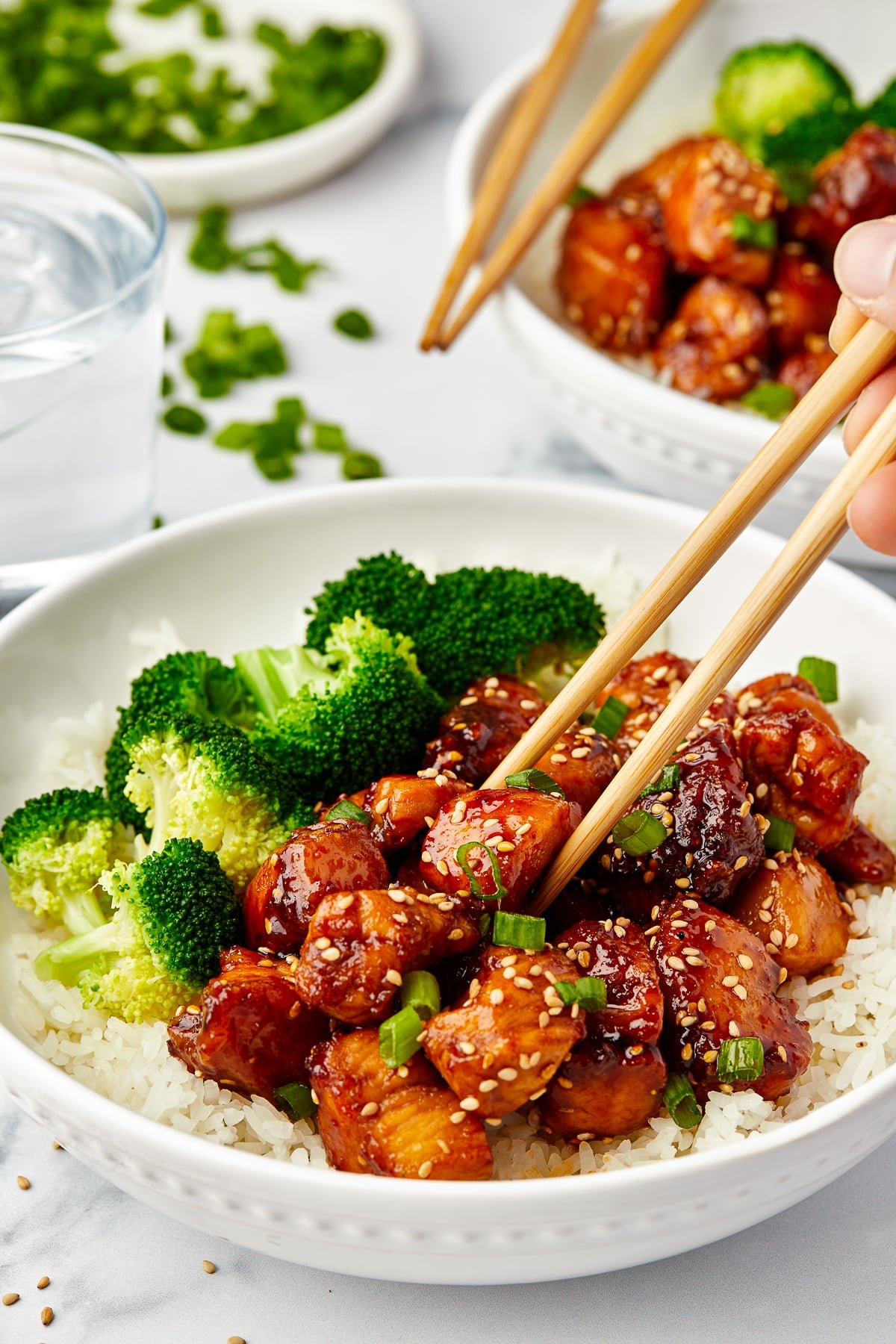
This is the one we make most, and it is the reason the rest of this list exists. Bite sized pieces of chicken fried until the edges go crisp, then tossed in a brown sugar, garlic and soy glaze that turns glossy right in the pan. It is not a copycat of any one restaurant dish, which is exactly why it works on a Tuesday. There is no special sauce to hunt down and nothing you cannot find at a regular grocery store. If you have never cooked Chinese food at home and you want one recipe to prove it is worth doing, make this one. Get the recipe →
Takeout Classics You Can Make Tonight
Easy Takeout Basic Orange Chicken Recipe
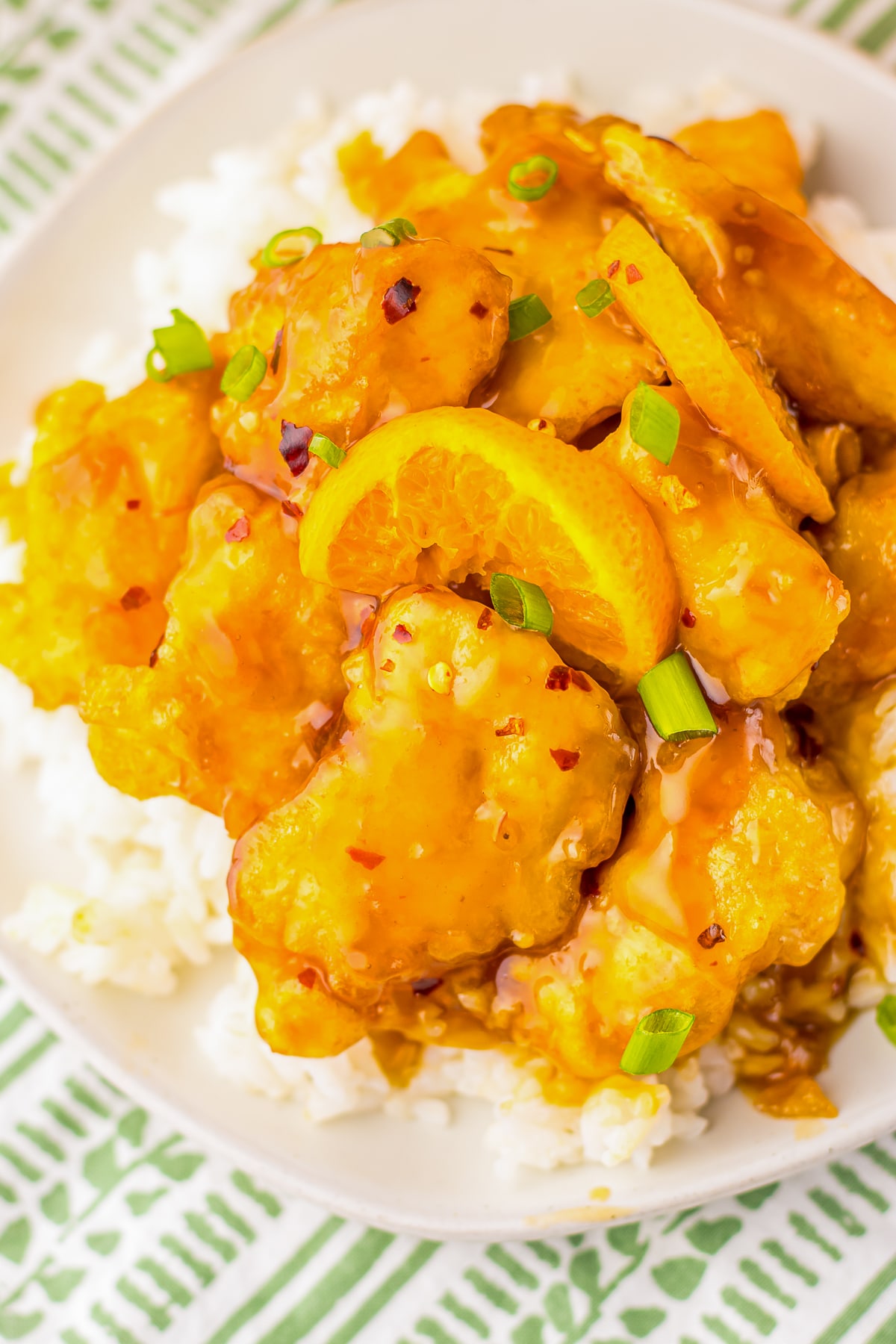
Orange chicken is the gateway dish, and it is also the one most people are disappointed by when they first try it at home. The usual mistake is leaning on orange juice alone, which cooks down thin and tastes flat. This version uses zest and a little vinegar to keep the citrus bright after the sauce reduces, so the glaze clings to every piece instead of pooling in the bottom of the bowl. Fry the chicken in two batches so the coating stays crisp once it is sauced. It holds up considerably better than the takeout version does on the drive home. Get the recipe →
Easy Sesame Chicken
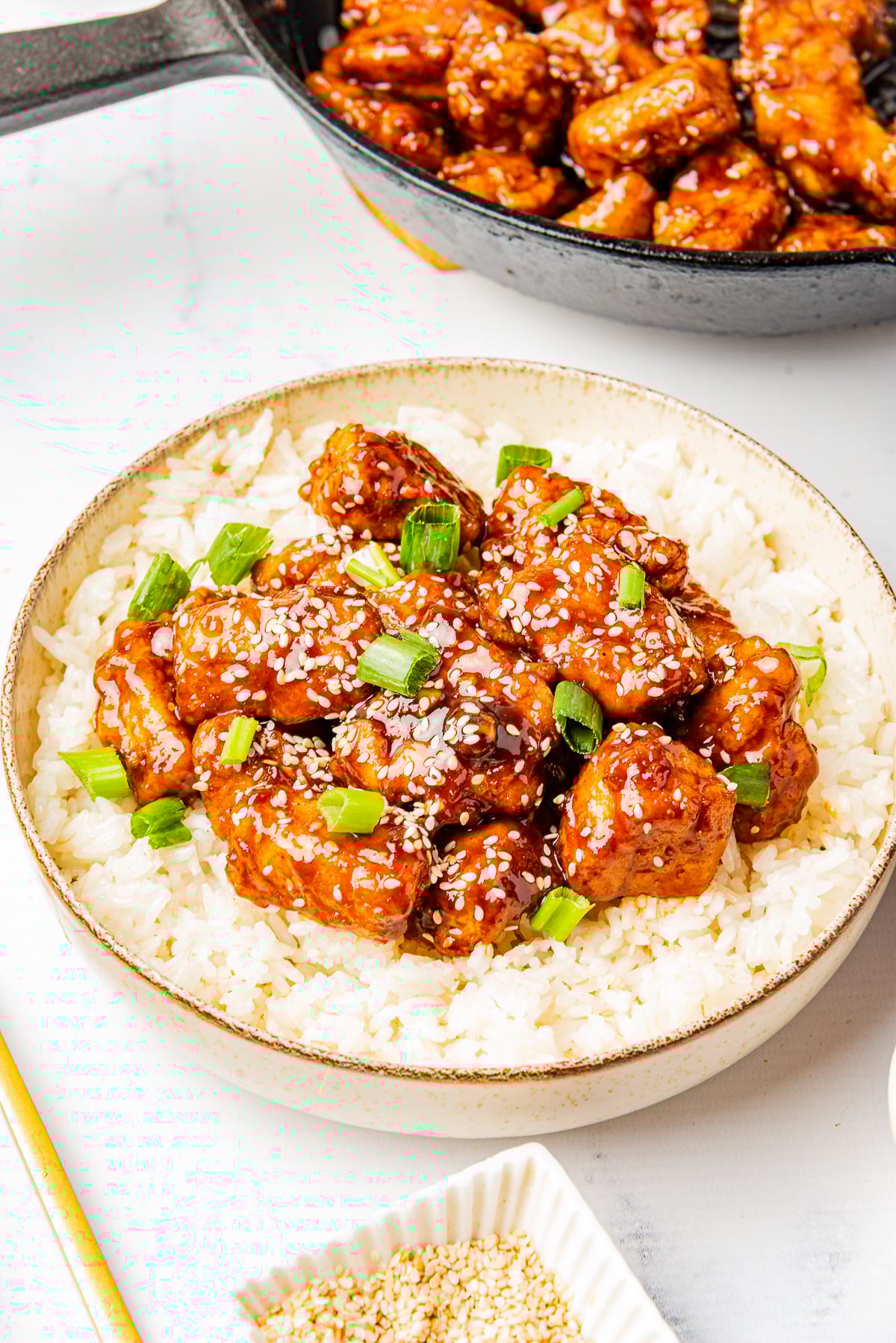
Sesame chicken and General Tso’s are close cousins, and the difference between them is heat. General Tso’s brings chili; sesame chicken goes sweet and toasty instead. This one lands on both sides at once, savory underneath and just sweet enough on top, with toasted sesame seeds stirred in at the end rather than sprinkled on for looks. Toast the seeds in a dry pan for sixty seconds before they go in. It is a small step that roughly doubles the flavor and costs you nothing. Serve over plain white rice and let the sauce do the work. Get the recipe →
Copycat PF Chang’s Kung Pao Recipe with Chicken
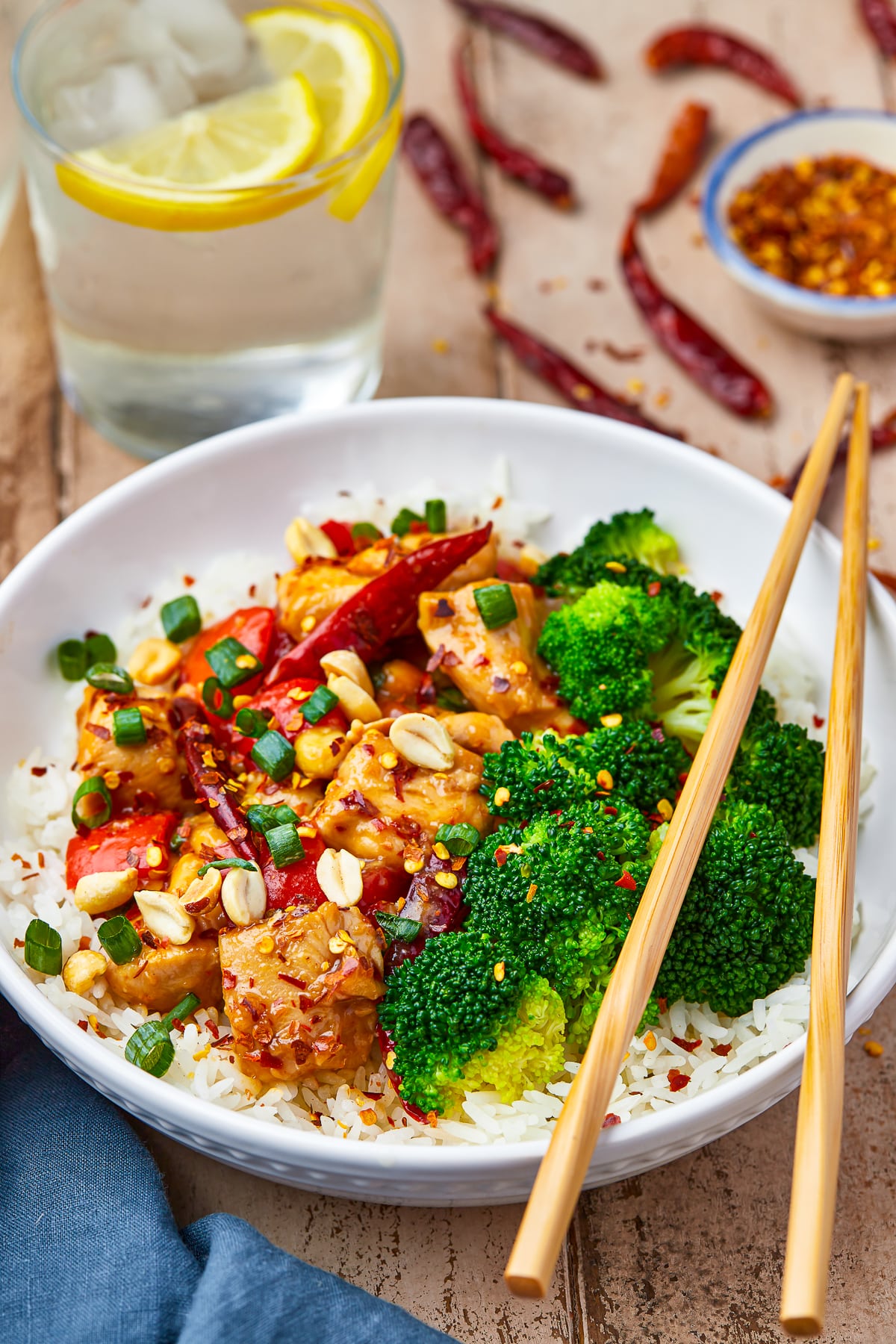
Our copycat of the PF Chang’s version, peanuts and dried chilies included. Kung pao is the one dish here where heat is genuinely the point, but it is a warm building heat rather than anything punishing, and you control it entirely by how many chilies go into the pan. Add the peanuts at the very end so they stay crunchy against the soft chicken and peppers. This comes together faster than the wait for a table on a Friday night, which is the whole argument for making it at home. Get the recipe →
Easy Copycat Panda Express Mushroom Chicken Recipe
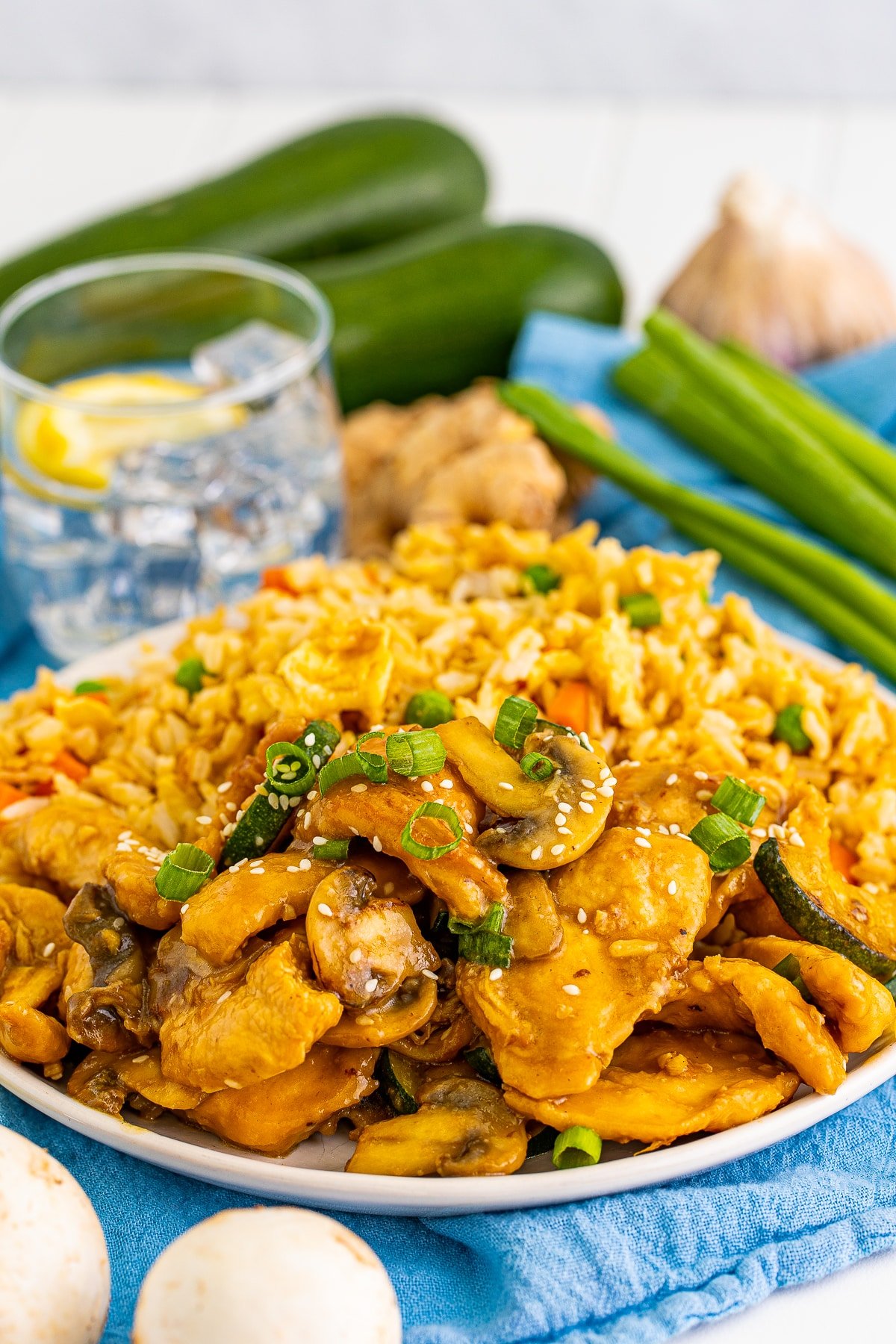
The quiet favorite on the Panda Express menu. Nobody orders it first and everybody finishes it. Tender chicken with zucchini and mushrooms in a light savory sauce that is nothing like the heavy glazes elsewhere on this list, which is exactly what makes it useful to have in the rotation. When you want takeout flavor with nothing fried and nothing sticky, this is the one to make. It is also the easiest recipe in this section by a wide margin, roughly twenty minutes start to finish, and it reheats better than almost anything else here. Get the recipe →
Easy Black Pepper Chicken
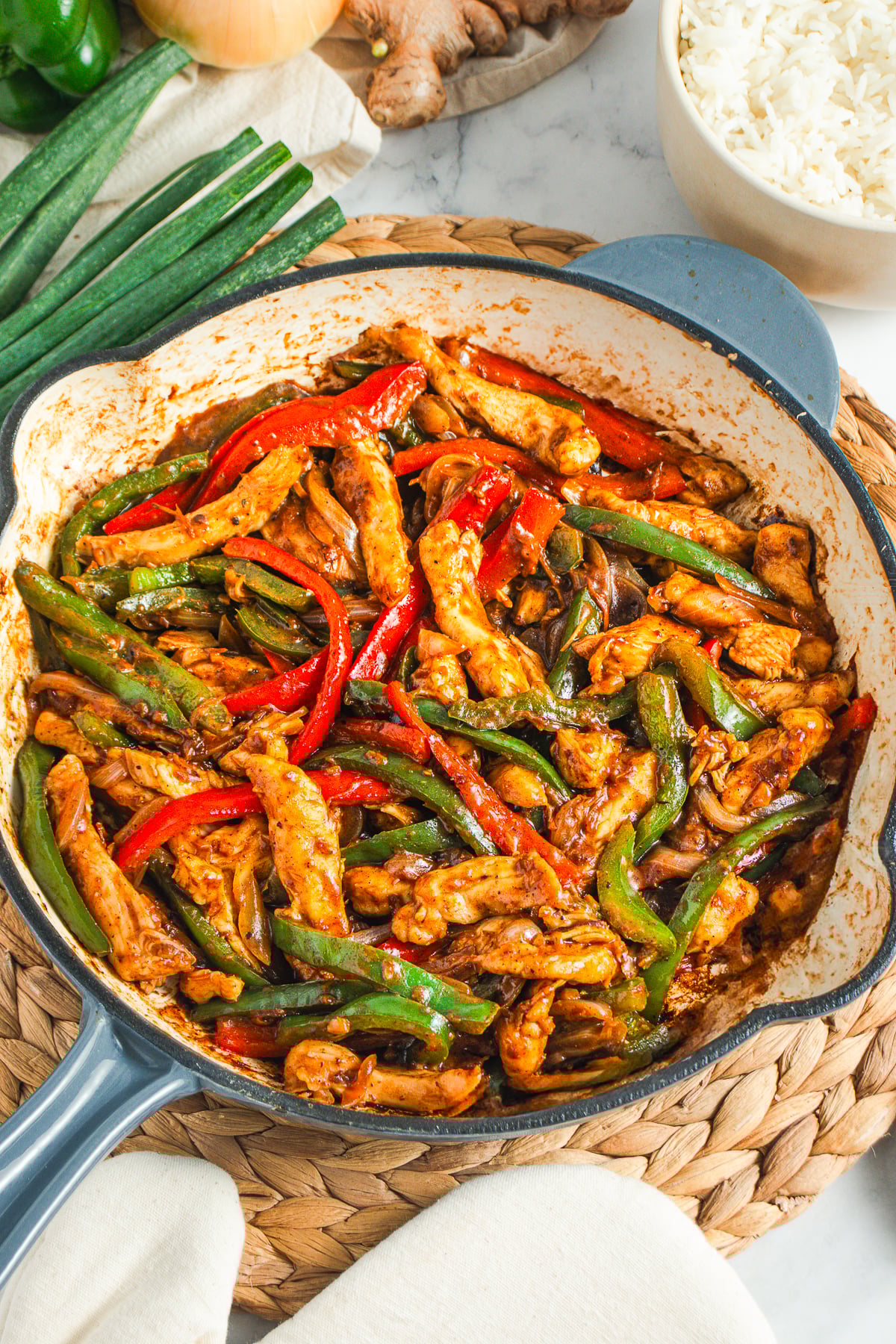
Black pepper chicken is criminally underordered. It is peppery and glossy with crisp onions and bell peppers that still hold their bite, and there is nothing deep fried about it, so it lands lighter than the sweet dishes without giving up any flavor. Use freshly cracked pepper rather than the pre ground stuff. The entire dish is built on that one ingredient and the difference is immediately obvious. This is our go to on a night when we want real takeout flavor and frying sounds like too much work. Get the recipe →
Easy Hong Kong Style Sweet and Sour Chicken
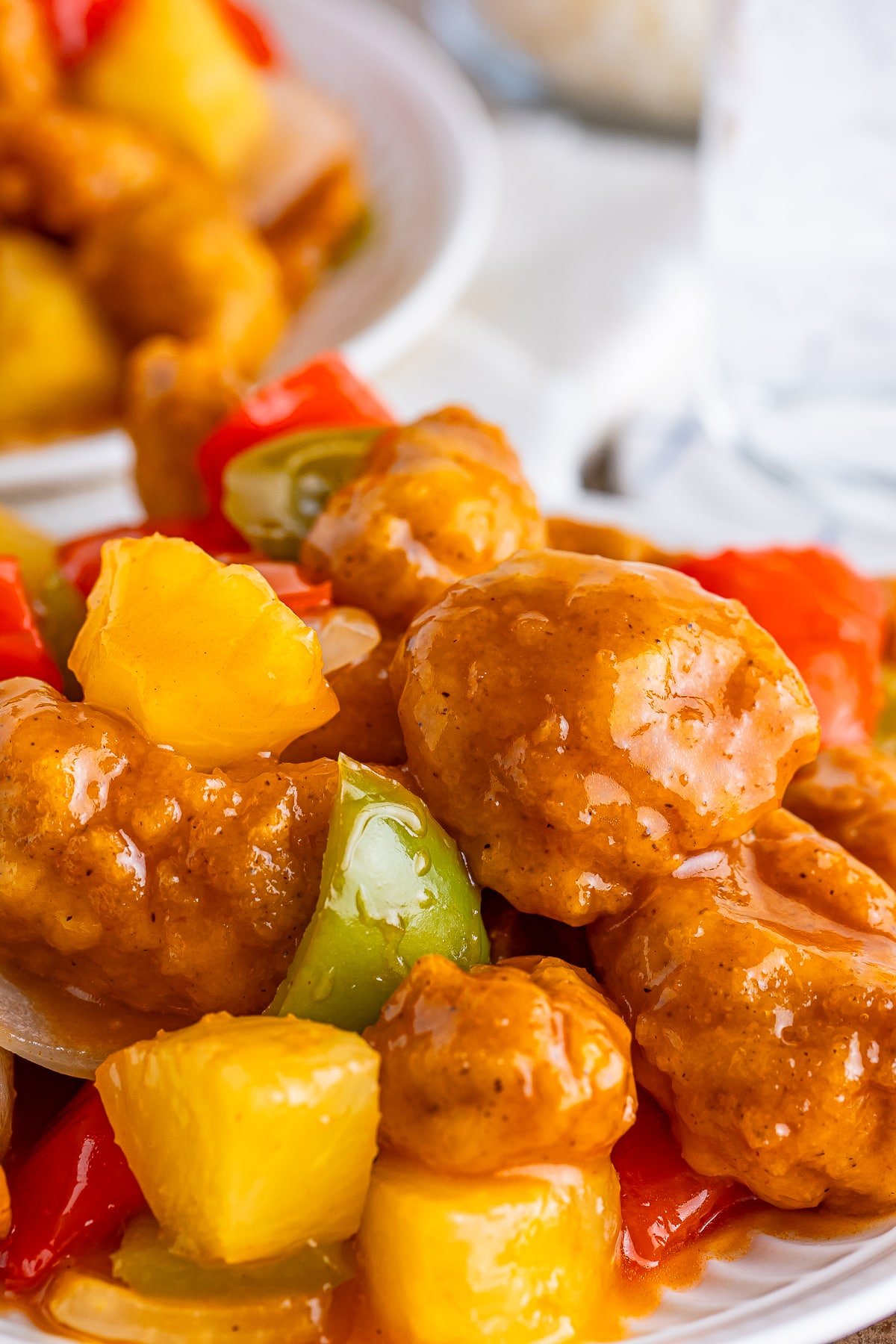
There are two sweet and sour chickens on this list and this is the lighter, crunchier one. Hong Kong style means popcorn sized bites with a shatteringly crisp coating, tossed in a bright sauce that stays thin enough to let the texture come through. That texture is the entire point, so sauce it immediately before serving rather than letting it sit and soften. If the only sweet and sour you have had came gloopy out of a buffet steam tray, this version will change your mind about the whole category. Get the recipe →
The Best Fried Sweet and Sour Chicken
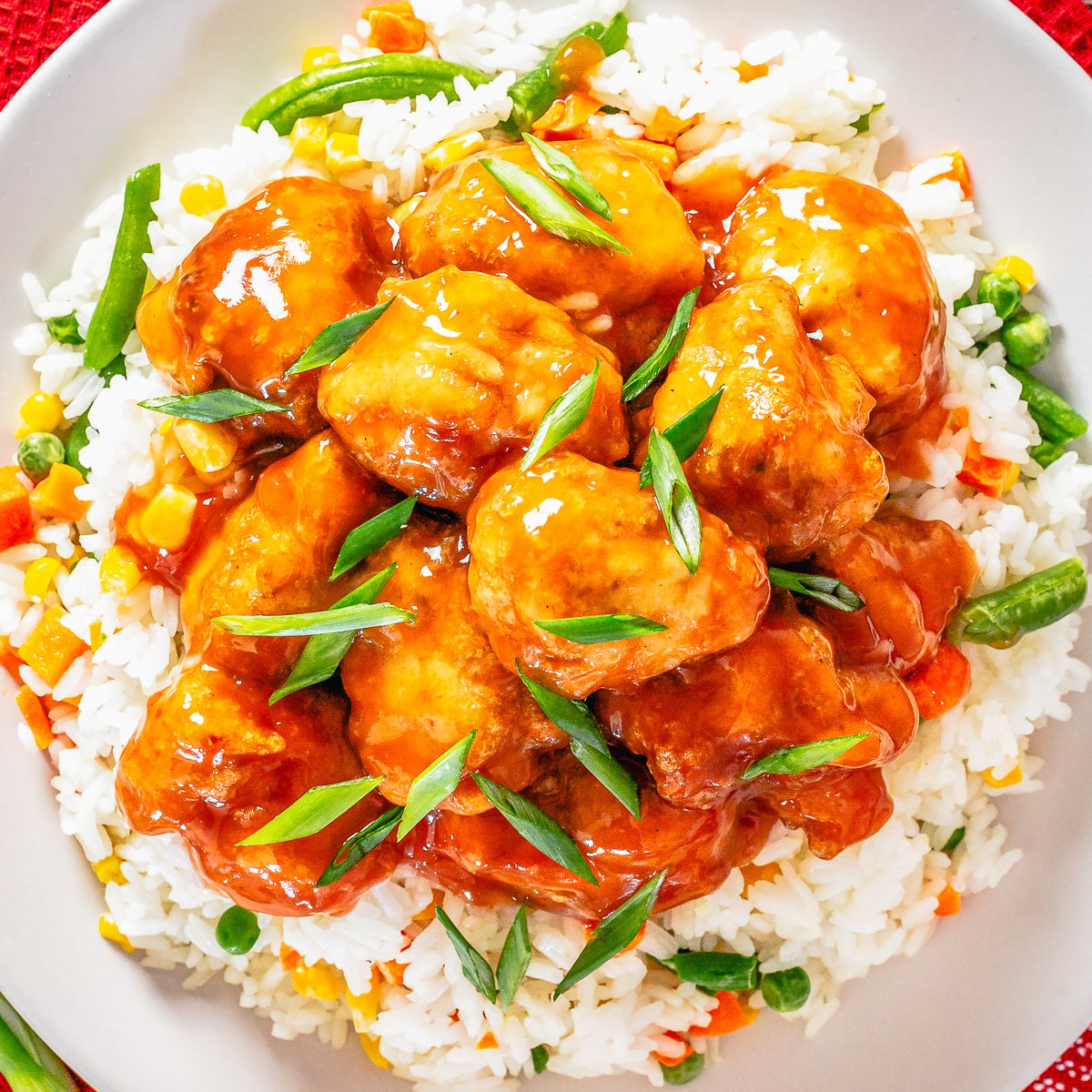
This is the full battered and fried version, the one to make when you want the real deal and you are not counting anything. The chicken gets a proper batter and the sauce is built from scratch, and once you have tasted homemade sweet and sour you genuinely will not go back to the jarred stuff, which is mostly corn syrup and food coloring. Make a double batch of the sauce while you are at it. It keeps in the fridge for about a week and turns leftover chicken into a second dinner. Get the recipe →
Sticky, Sweet and Glazed
Best Easy Honey Garlic Chicken Recipe
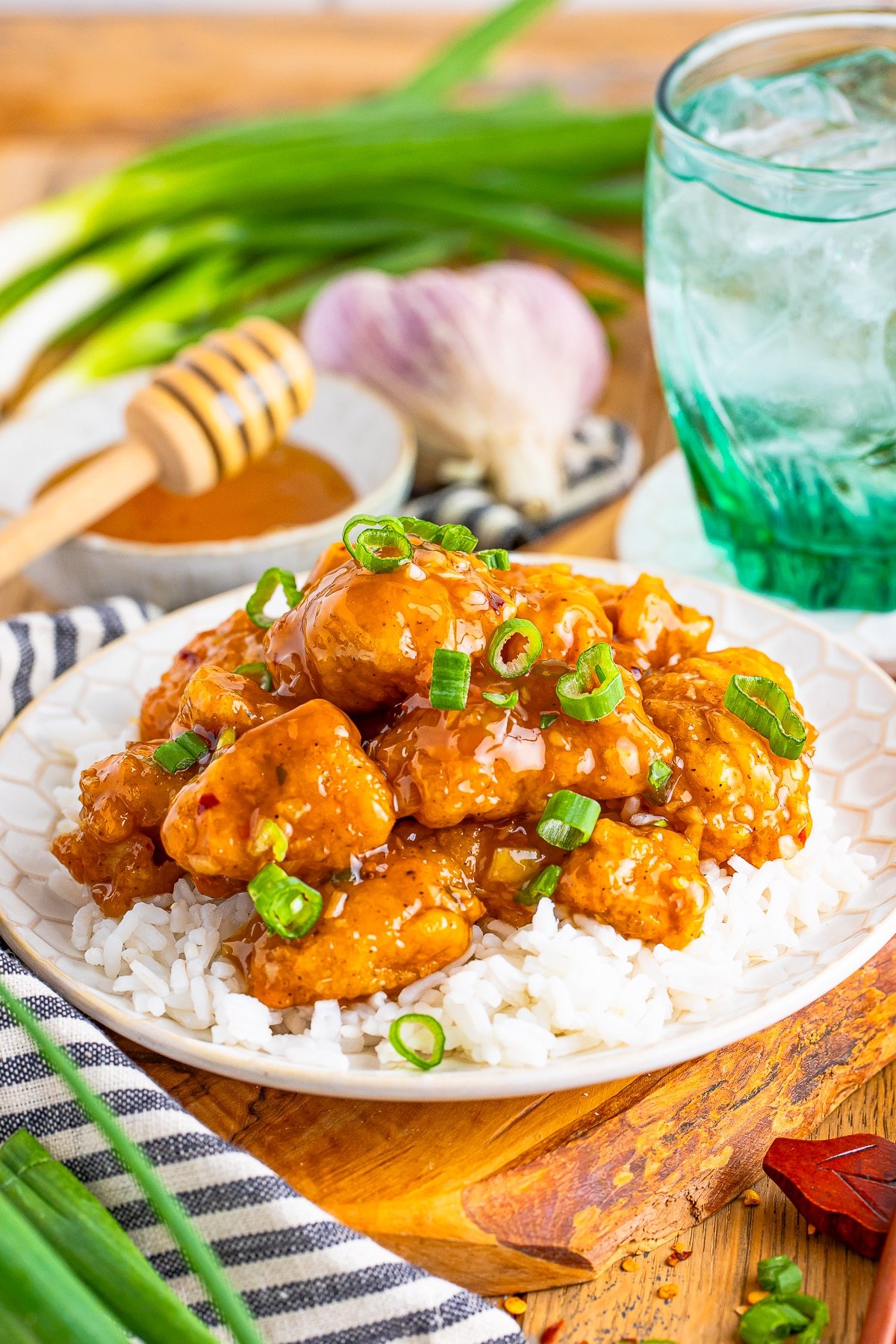
Four ingredients in the sauce and it still tastes like you put in real effort. Honey, garlic, soy and a splash of vinegar to keep the sweetness in check, reduced until it coats the back of a spoon. This is the recipe we hand to people who insist they cannot cook, because the margin for error is enormous and it is close to impossible to make it taste bad. At our table it disappears in about ten minutes, which is either a compliment or a problem depending on how hungry you still are. Get the recipe →
Bourbon Chicken
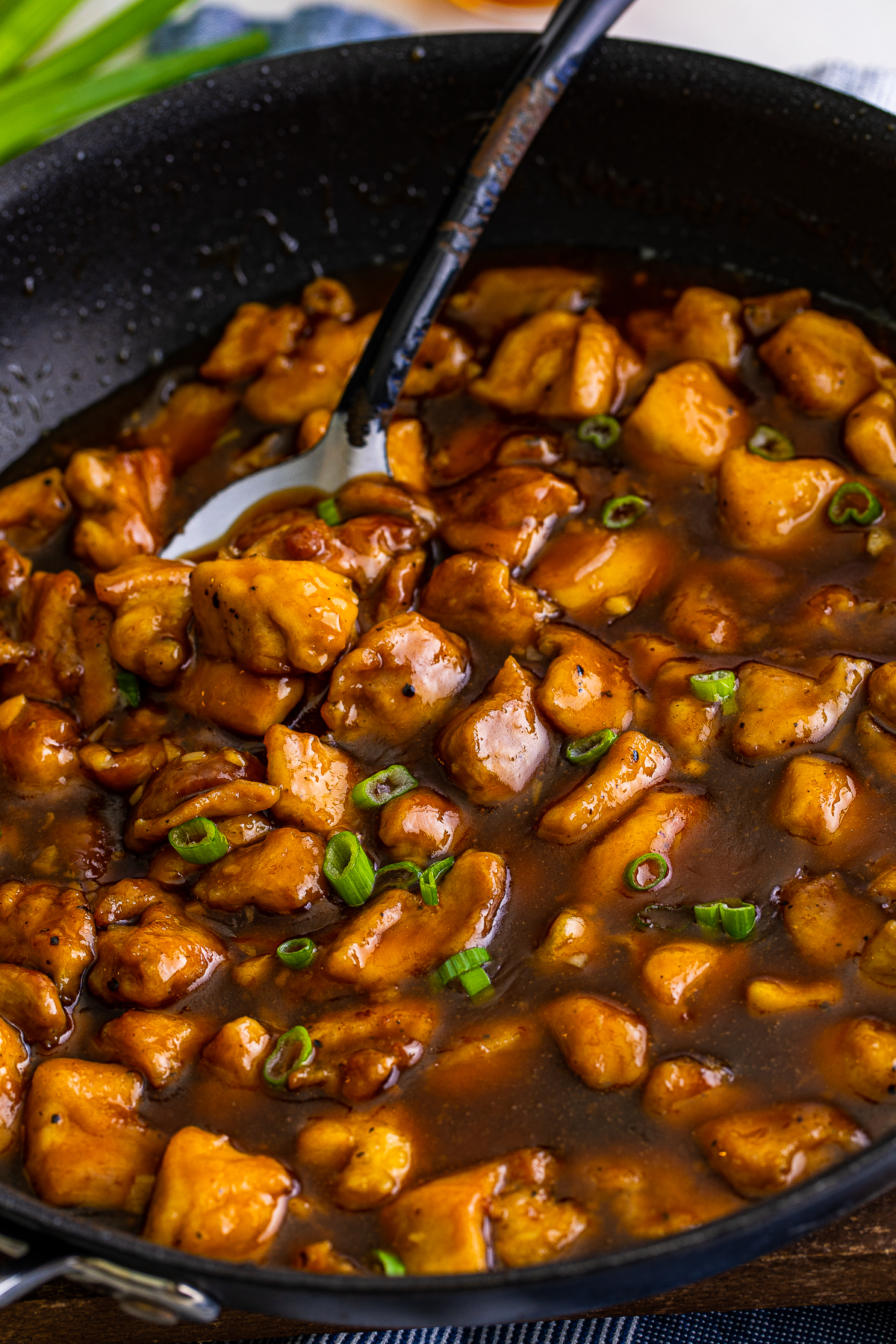
Everybody has a food court memory attached to this one. Ours involves a mall in the nineties. This version uses chicken thighs rather than breast, which is the right call because thighs stay tender through a long reduction, plus real bourbon, apple juice and stock for a sauce with actual depth instead of just sugar. It cooks in one pan and it belongs over plain white rice with nothing else competing for attention. Do not rush the reduction, that is the step where the whole thing comes together. Get the recipe →
Easy Air Fryer Sticky Ginger Chicken (Best Recipe)
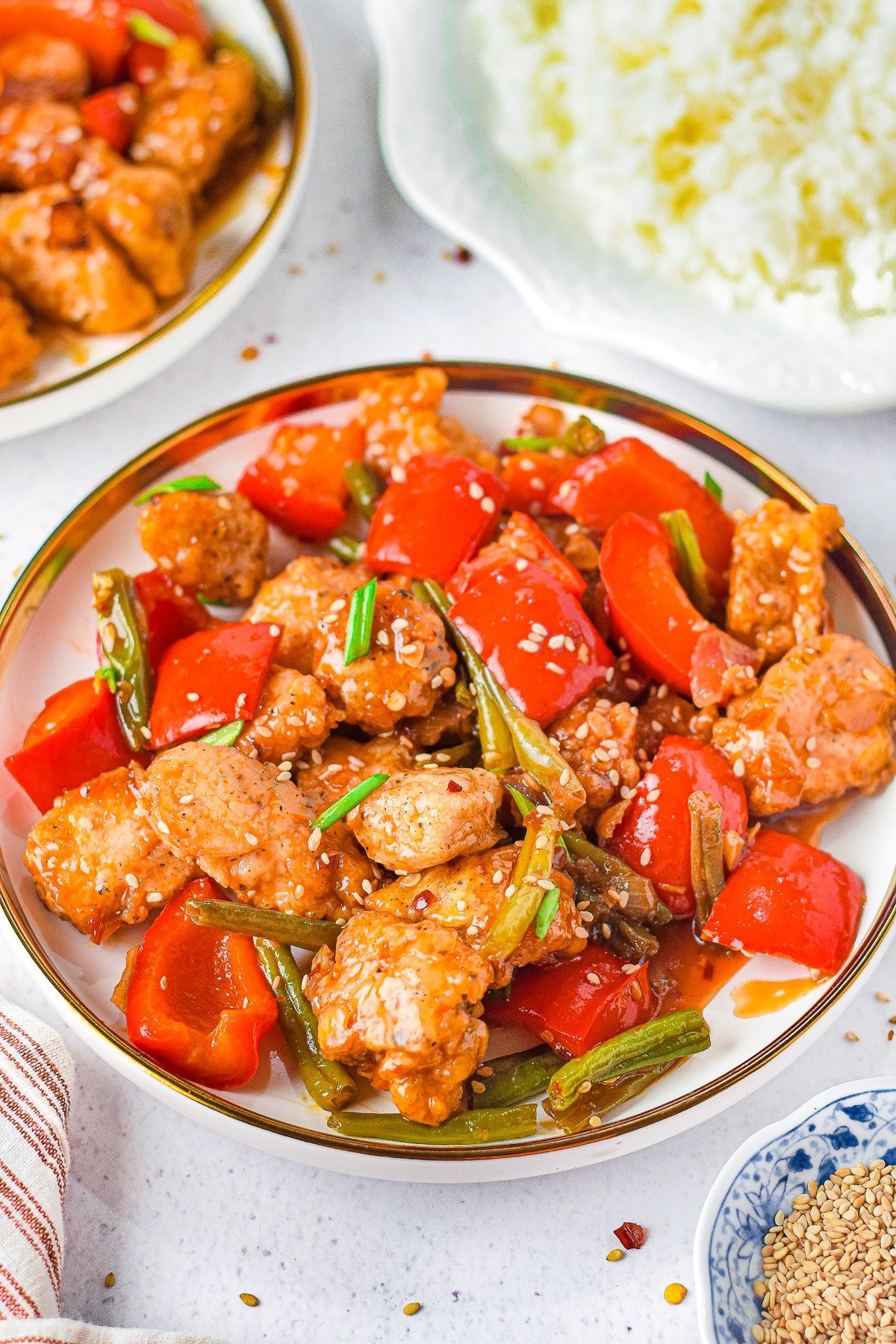
All of the sticky glaze without standing over a hot pan turning pieces one at a time. The air fryer crisps the edges while you reduce the sauce separately, then the two get tossed together at the end so the coating stays crunchy underneath. Fresh ginger matters here more than in any other recipe on this list; the ground version just tastes dusty by comparison. Make this one when you want something that eats like a project but actually takes about twenty five minutes from start to plate. Get the recipe →
Easy Sticky Asian Lemon Chicken
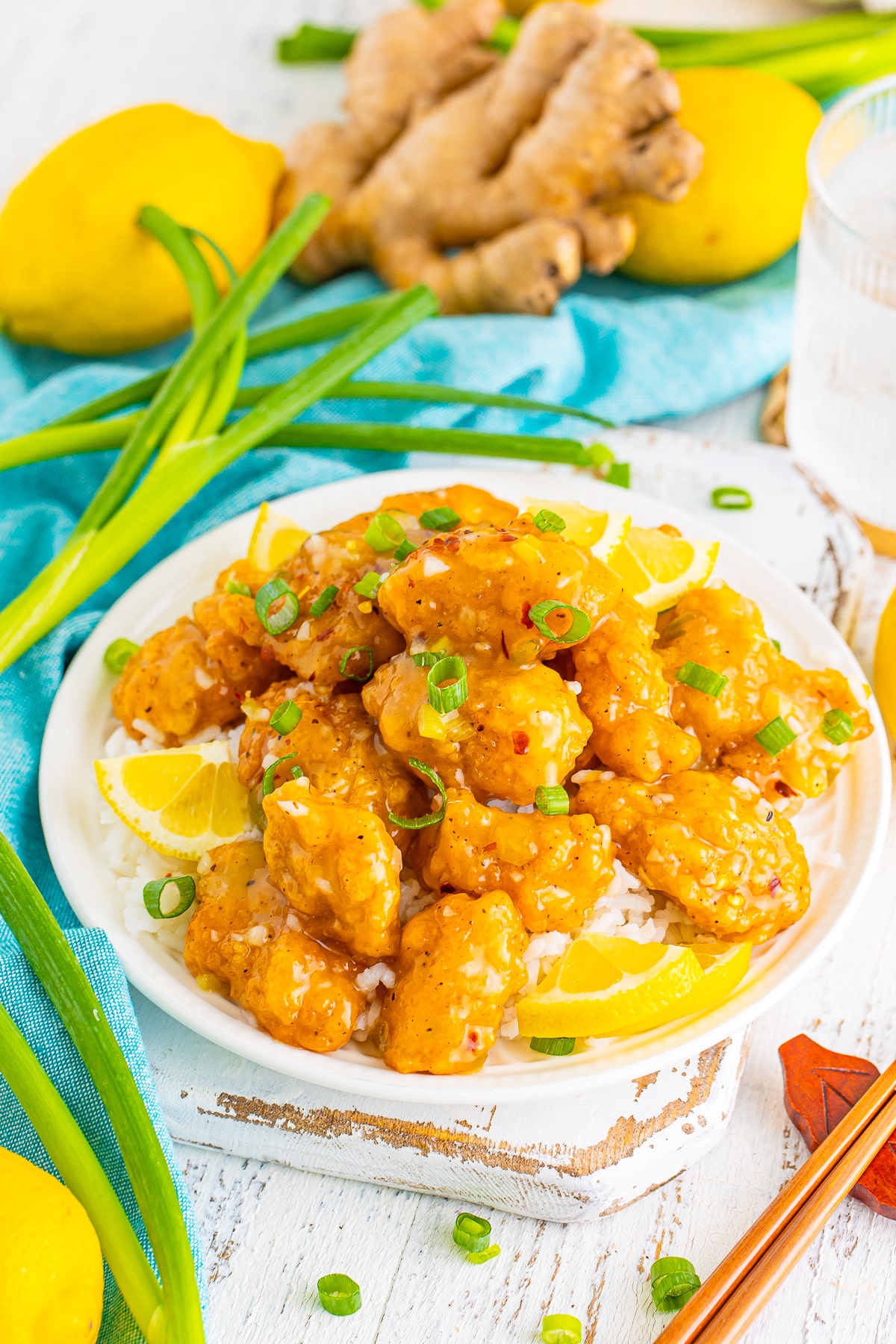
Bright lemon and sticky sweet at the same time sounds wrong on paper and works completely in practice. The acid cuts the sugar so the glaze never turns cloying, which is the failure mode of most sweet chicken dishes. This is the recipe that converts people who are certain they do not like lemon with savory food. Use fresh lemon, both the juice and the zest, and add the juice off the heat so it stays sharp instead of cooking down into something flat and candied. Get the recipe →
Asian Pan-Fried Lemon Chicken Recipe
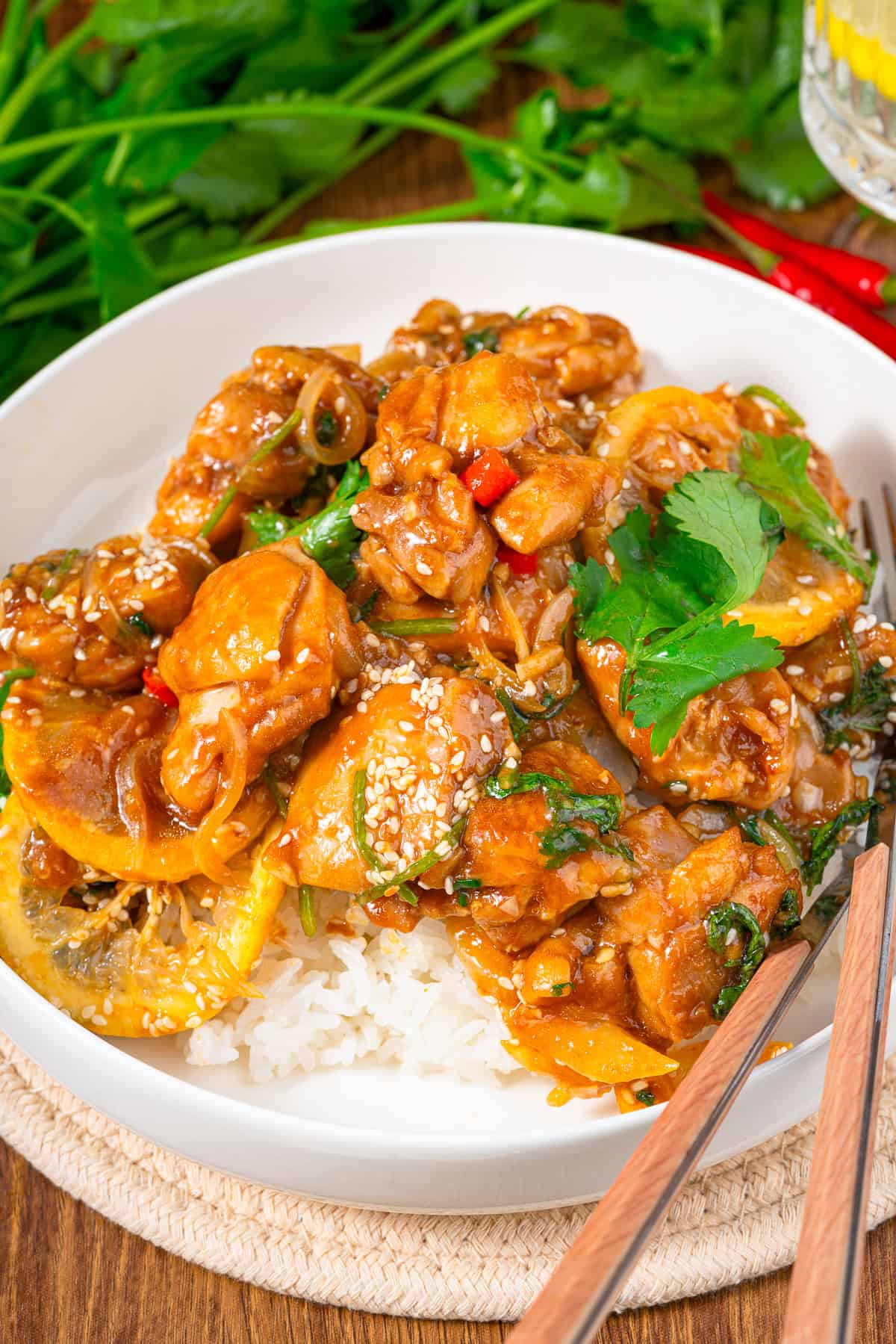
The lighter, faster cousin of the sticky version above. Everything happens in one skillet, the coating is thin rather than heavy, and the sauce comes out silky instead of syrupy. Pick this one on a weeknight when you want dinner on the table in under half an hour, and pick the sticky version when you want something that feels like a treat. Same flavor family, completely different weight. Having both on the list is deliberate, because they solve genuinely different problems. Get the recipe →
Easy Sweet Chili Chicken Recipe
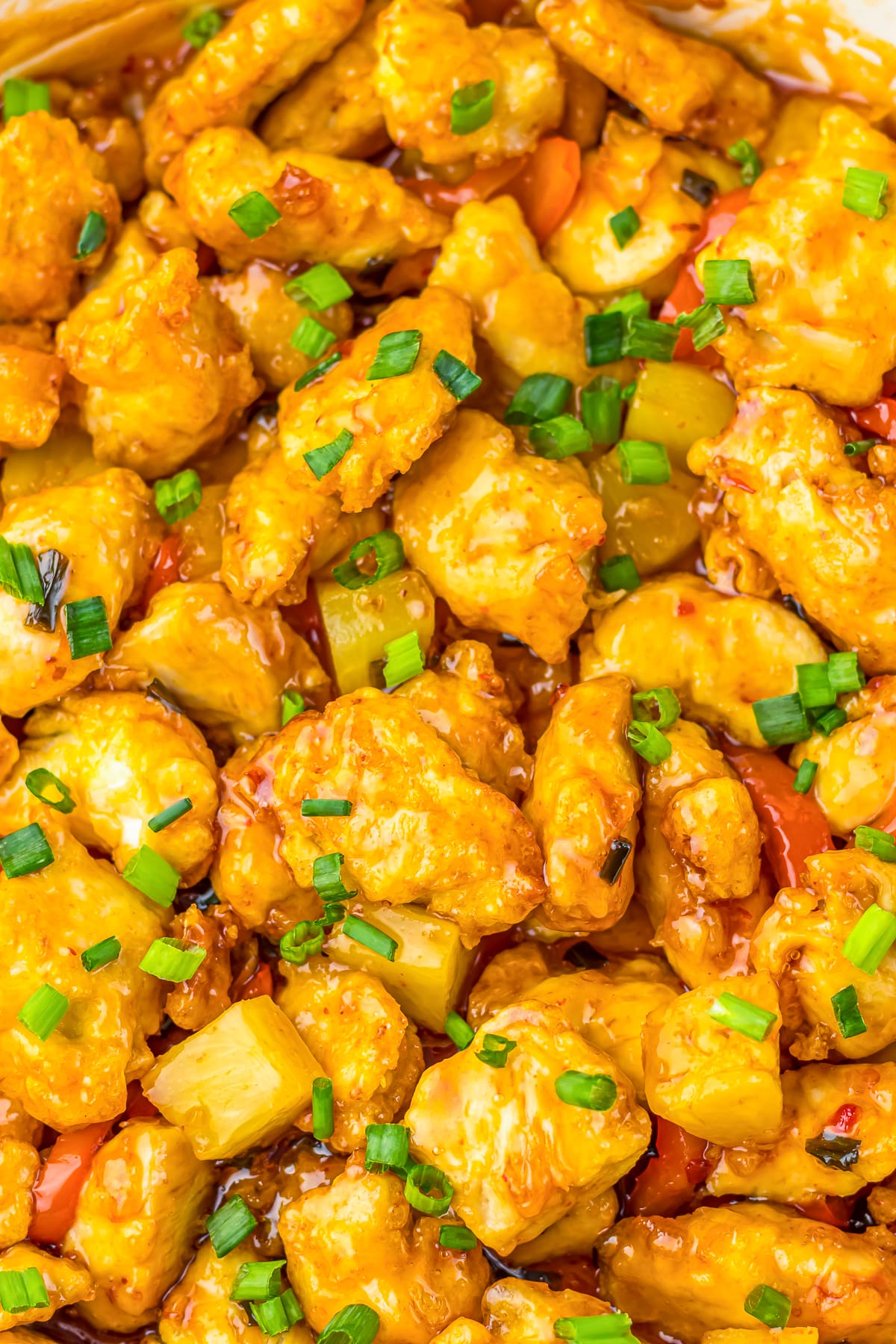
Sweet chili sauce does most of the heavy lifting here, which is exactly why this became a weeknight staple in our house. A little heat, a lot of sticky, and roughly fifteen minutes of actual work. Buy a decent bottled sweet chili sauce and the recipe more or less makes itself, though a squeeze of lime at the end lifts the whole thing considerably. This is the lowest effort recipe on the entire list and one of the most reliably popular with kids. Get the recipe →
Slow Cooker and Instant Pot Chinese Chicken
Easy Slow Cooker Chicken Teriyaki Recipe
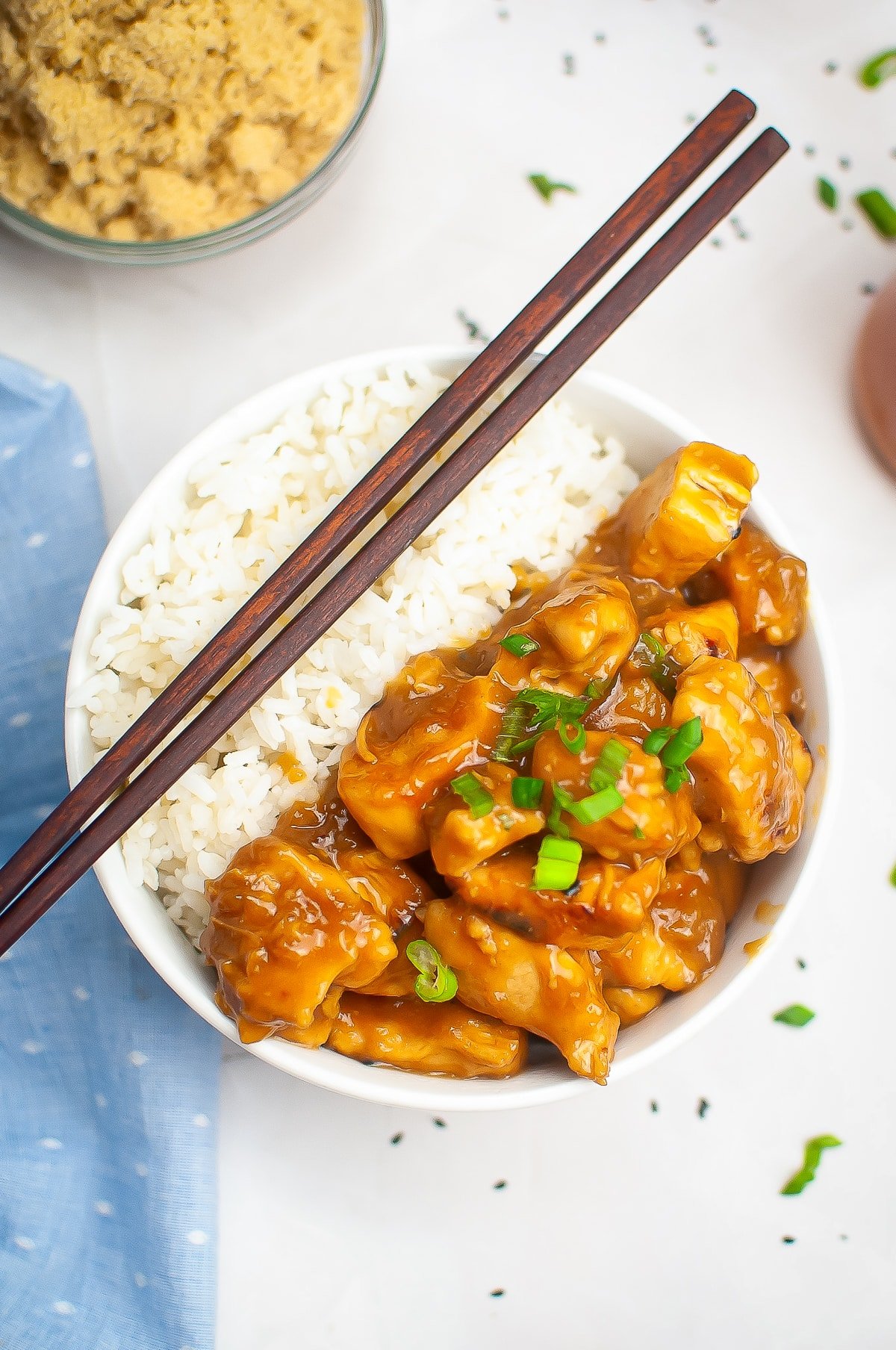
Dump everything in before work and come home to chicken that shreds with a fork. There are two slow cooker teriyakis on this list and this is the simpler one, with a thinner sauce that soaks into the meat rather than coating it. Best served over rice with something green alongside. The reason to slow cook a dish that only takes thirty minutes on the stove is not speed, it is that dinner is already handled at five o’clock on a day that got away from you. Get the recipe →
Sticky Slow Cooker Chicken Teriyaki
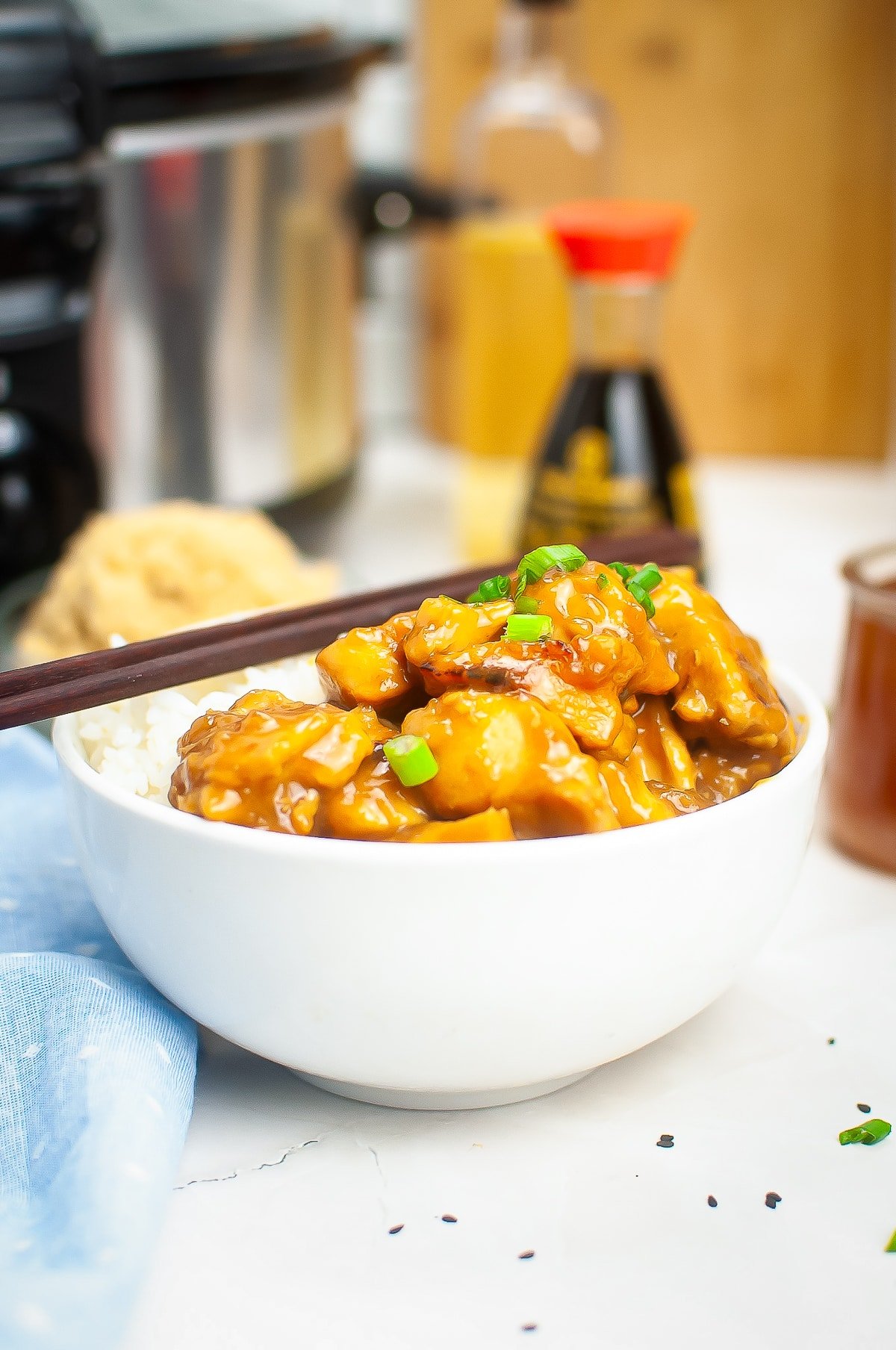
This is the glossier of our two slow cooker teriyakis. Same walk away convenience, except you thicken the sauce at the end so it becomes a proper glaze that clings instead of pooling at the bottom of the crock. That final step takes five minutes and it is the entire difference between wet chicken and sticky chicken. Serve over rice, and do not skip the green onions on top. They cut through the sweetness and the dish tastes unfinished without them. Get the recipe →
Slow Cooker Ginger Chicken Recipe
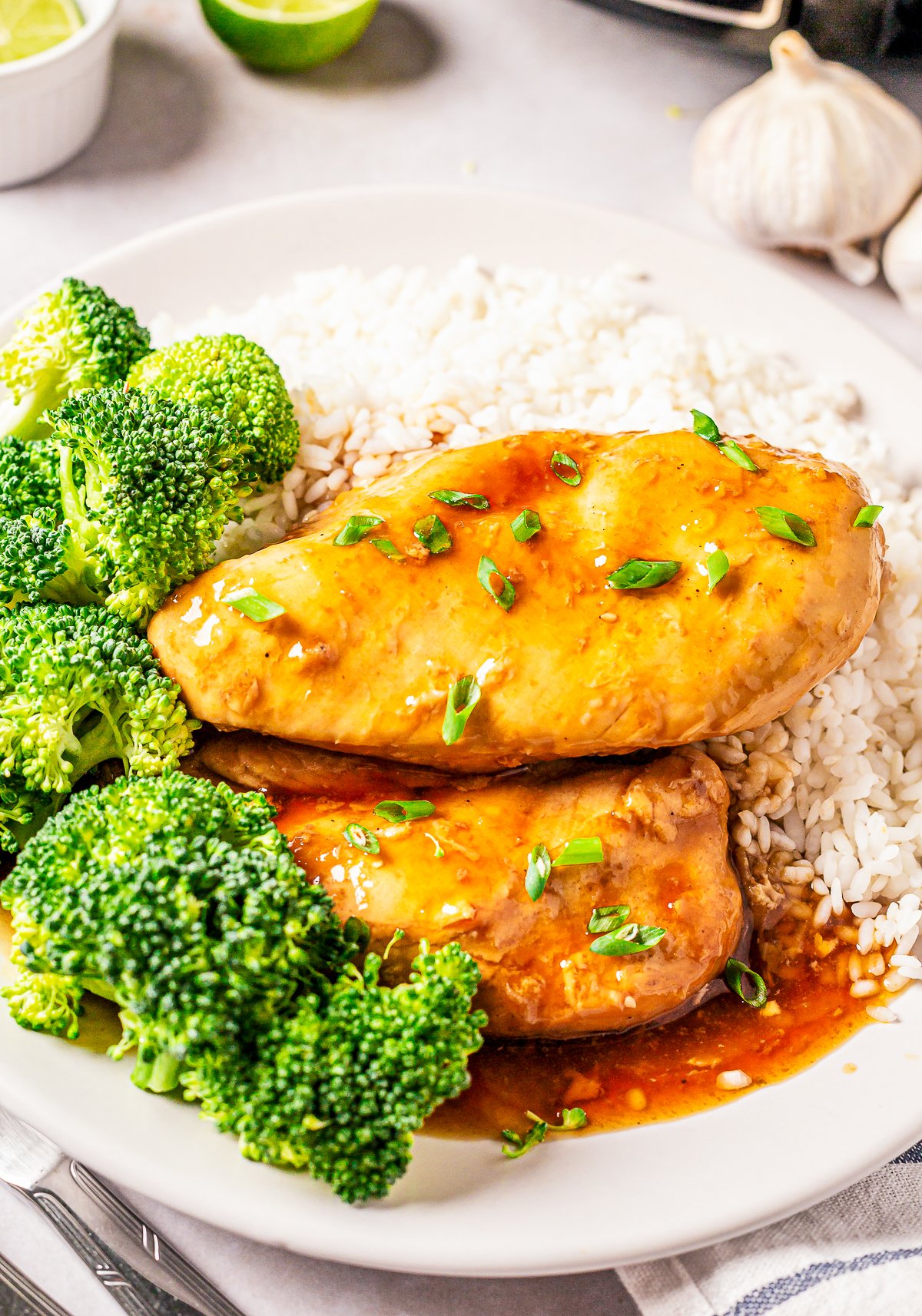
Ginger and soy simmering all afternoon makes the whole house smell like the good takeout place, which is honestly half the reason to make it. There is barely any prep, maybe ten minutes of chopping, for a payoff that tastes like it took real work. Use fresh ginger and be generous with it; the dish is named after the ingredient and it should taste that way. One of the oldest recipes on the blog and still one we come back to every fall. Get the recipe →
Instant Pot Sweet and Sour Chicken
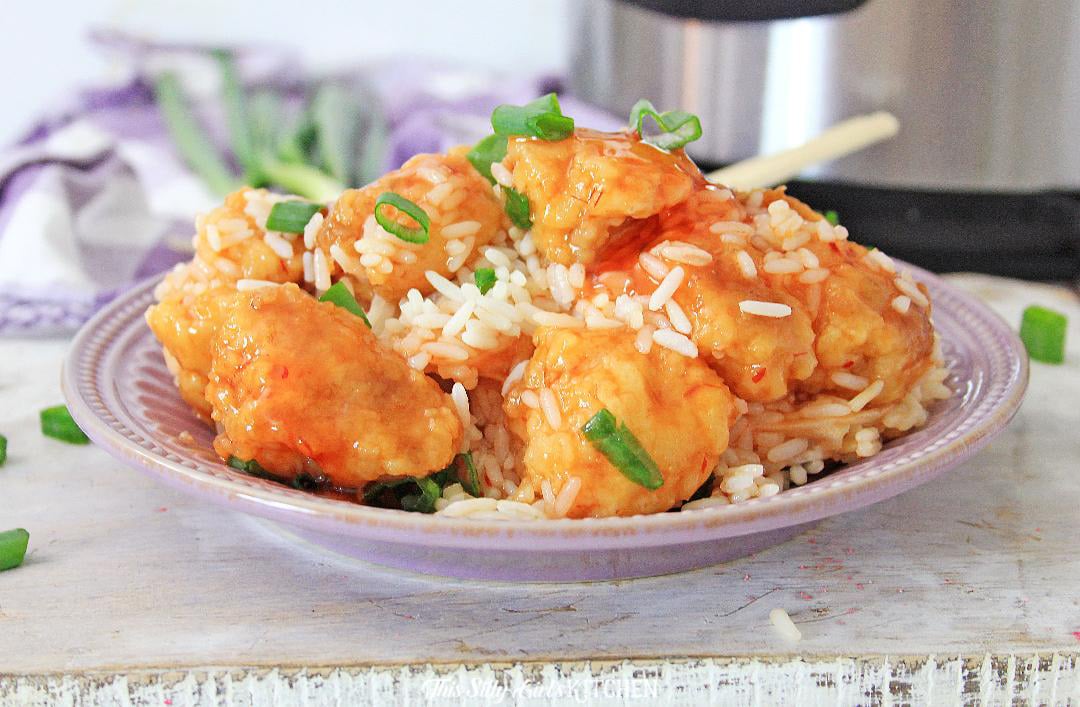
Sweet and sour chicken in a fraction of the time with no frying at all. You give up the crunchy coating, which is a real trade and worth knowing about going in, but you get a full weeknight dinner in about twenty minutes and a sauce that still tastes like the classic. Make this on a Tuesday and save the fried version for a Saturday. If the sauce comes out thinner than you want, a quick cornstarch slurry on saute mode fixes it in ninety seconds. Get the recipe →
Copycat Panda Express Teriyaki Chicken Recipe (Easy 30-Minute)

Thirty minutes to the grilled teriyaki chicken you order with a side of chow mein. This copies the grilled version rather than the battered one, so the chicken takes on color in a hot pan and then the sauce reduces around it. The sauce is genuinely worth doubling. It keeps for a week and it is good on almost anything, including plenty of things that have nothing to do with this list. Slice against the grain before saucing so every piece picks up the glaze. Get the recipe →
Chinese Chicken Fried Rice
Better Than Takeout Chicken Fried Rice
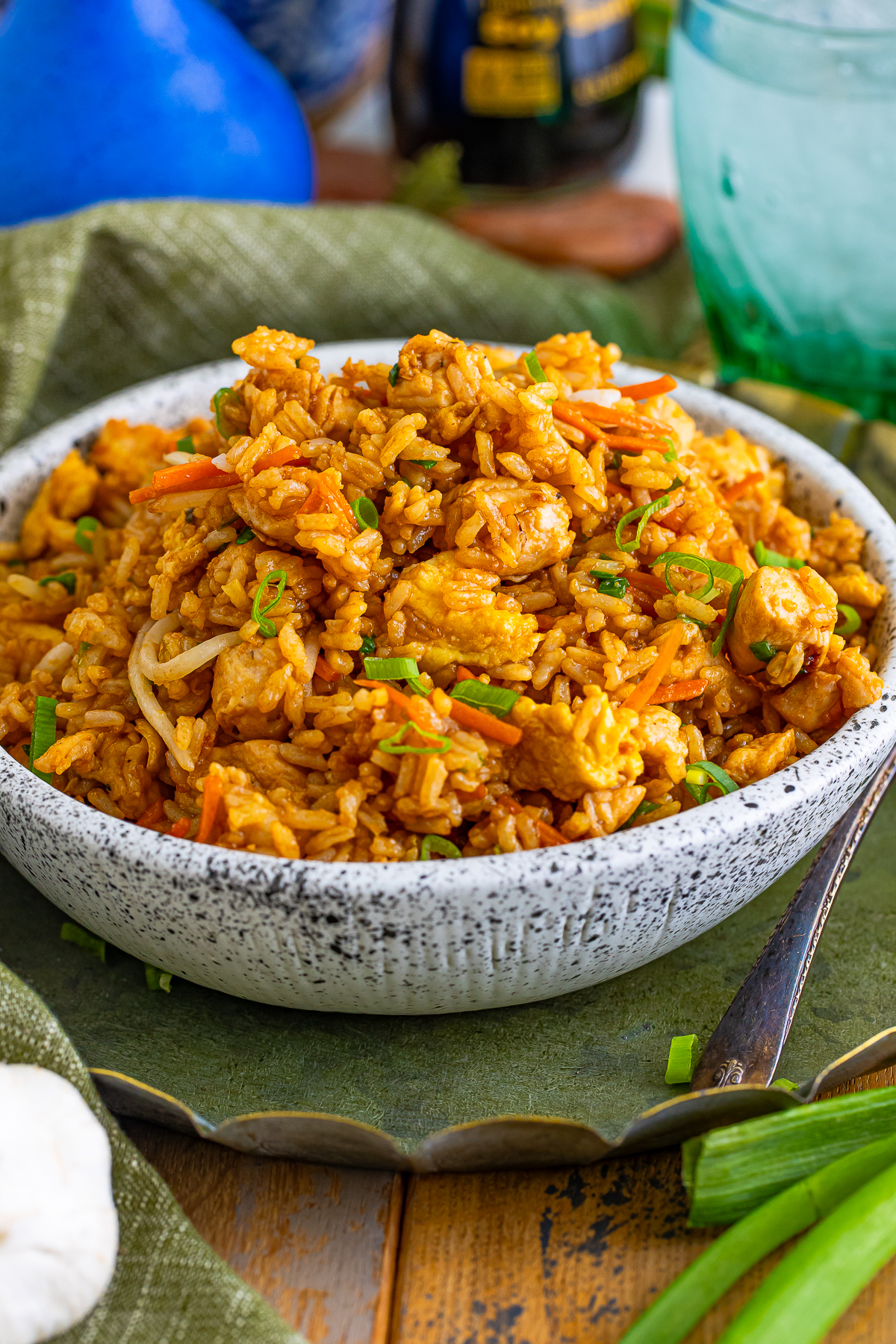
Day old rice, a screaming hot pan, and whatever is already in the fridge. The single most important rule is the rice itself: fresh rice steams and turns to mush, while cold rice from yesterday fries properly and separates into individual grains. If you forgot to plan ahead, spread fresh rice on a sheet pan and freeze it for twenty minutes and it will behave. Push everything to one side and scramble the egg directly in the pan rather than cooking it separately. This really is better than the container it usually arrives in. Get the recipe →
Teriyaki Chicken Fried Rice Recipe
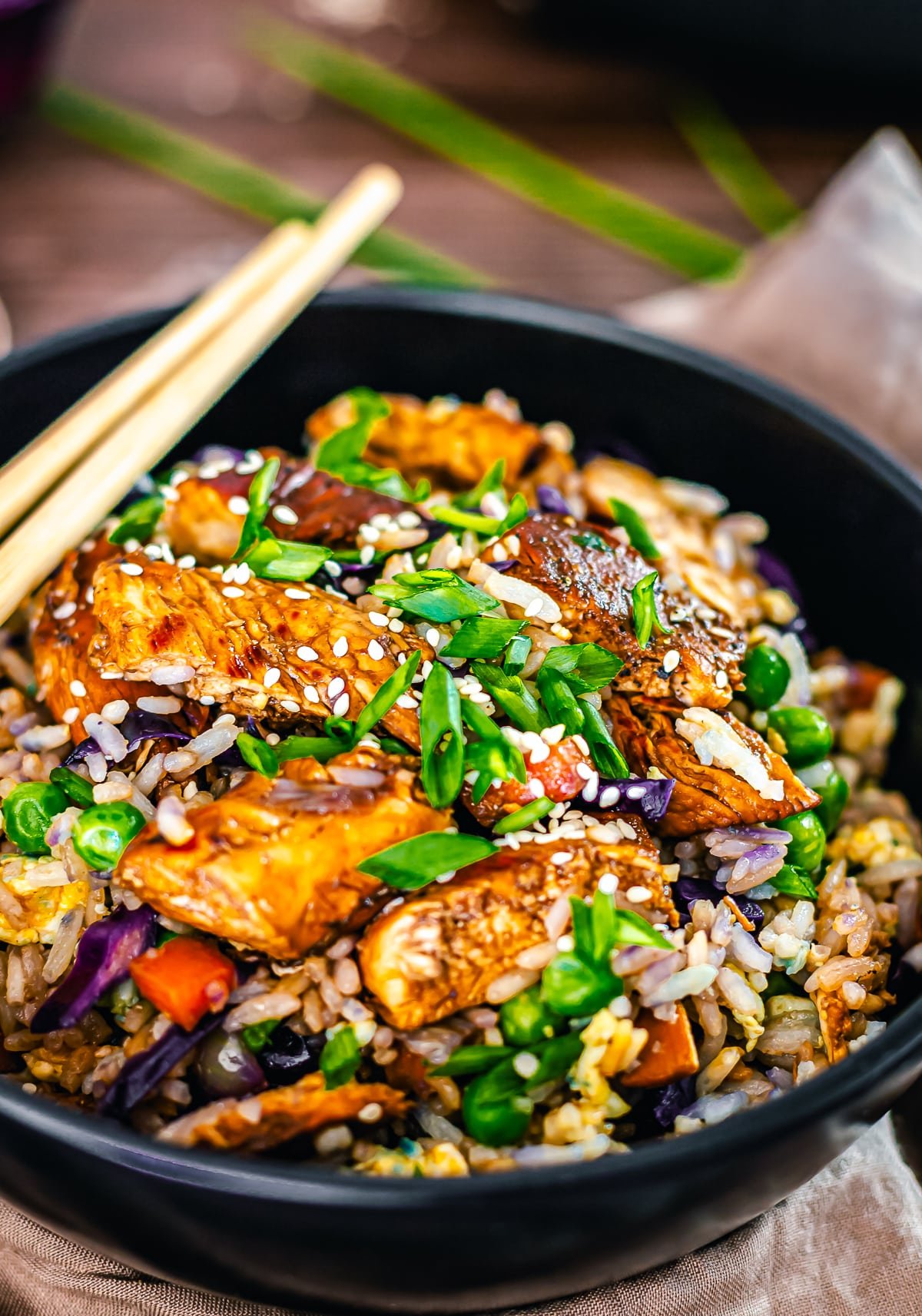
Two takeout favorites in one bowl, which is probably how it should have been all along. This is the recipe we make on the Monday after a night of teriyaki chicken, because leftover chicken arrives already sauced and it seasons the whole pan as it fries. The cold rice rule applies here exactly as it does above. If you are cooking the chicken fresh rather than using leftovers, hold back a little of the teriyaki sauce and add it at the end so it does not burn off in the hot pan. Get the recipe →
Cauliflower Fried Rice with Chicken
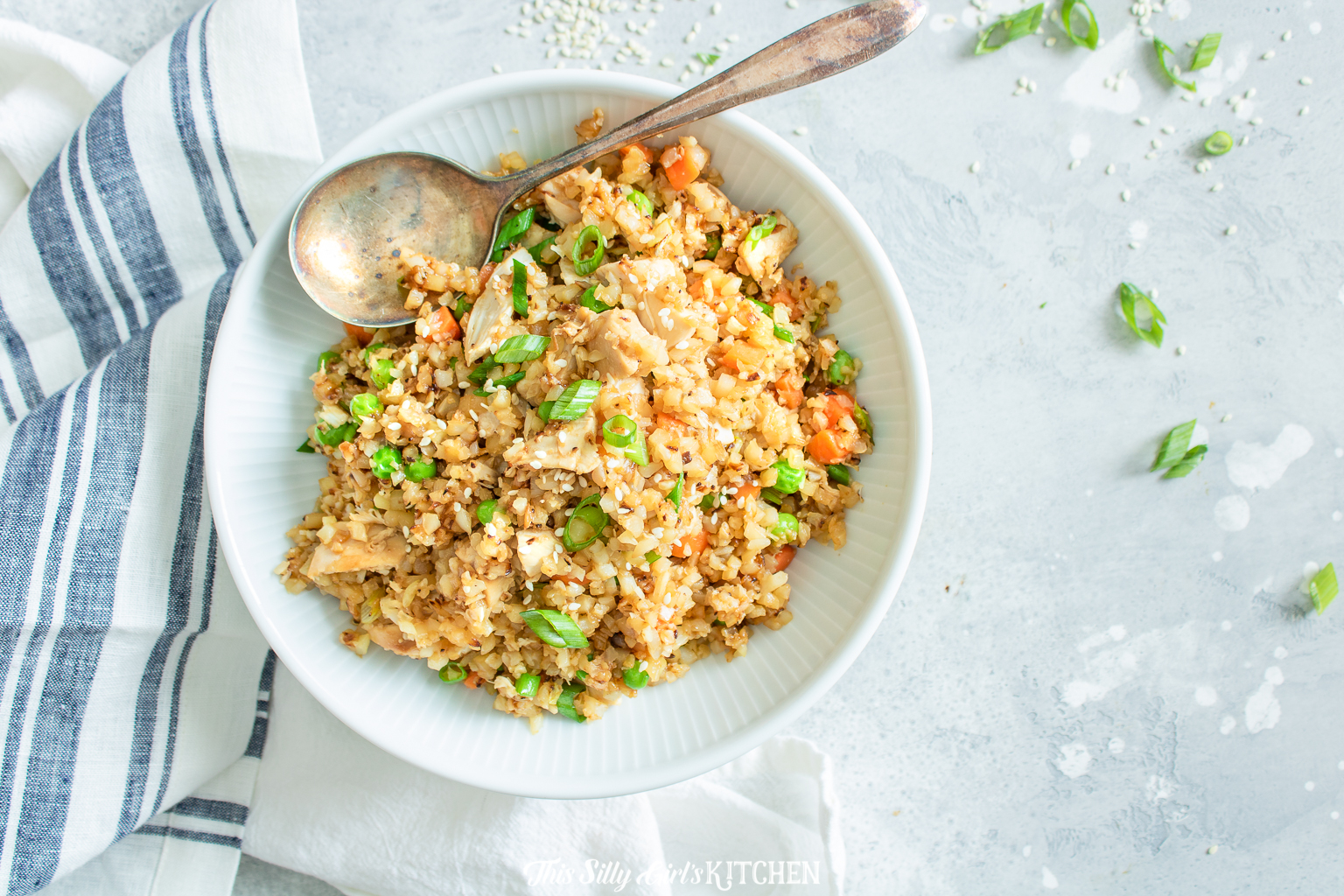
All the fried rice flavor with cauliflower doing the work instead of rice. The trick nobody mentions is moisture. Riced cauliflower releases a surprising amount of water, so cook it in a hot dry pan for a few minutes before anything else goes in, otherwise you end up with something closer to soup than fried rice. Handled that way it browns and behaves almost exactly like the real thing. This is the version we make when we want seconds and would rather not think too hard about it. Get the recipe →
The Marinade Behind Half This List
Sweet Ginger Asian Chicken Marinade
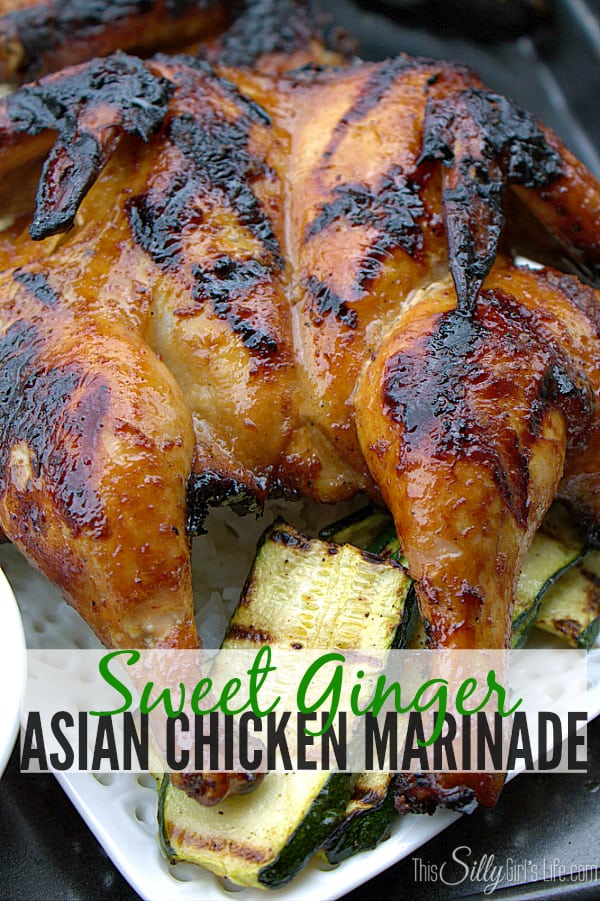
This is the base marinade behind a lot of the flavors above, and it may be the most useful recipe on the whole list even though it is not a dinner by itself. Ginger, soy, a little sweetness and enough acid to tenderize. Make a jar on Sunday, keep it in the fridge, and you are one hot pan away from dinner most nights of the week. It works on chicken thighs and breasts, and honestly on pork and salmon too. Marinate for at least thirty minutes, though a few hours is better. Get the recipe →
How To Pick Which One To Make Tonight
Twenty three recipes is a lot to scroll through, so here is the short version.
If you have thirty minutes and you want the classic takeout experience, make the orange chicken, the sesame chicken, or the kung pao. Those three are what most people are actually craving when they say they want Chinese food.
If you want maximum flavor for minimum effort, make the honey garlic chicken or the sweet chili chicken. Both are under fifteen minutes of real work and neither has a step you can meaningfully get wrong.
If dinner needs to be handled before the day even starts, go straight to the slow cooker section. Five minutes in the morning and nothing to think about at six o’clock.
If you want heat, kung pao is the only genuinely spicy dish here, with black pepper chicken as the runner up bringing a completely different kind of warmth.
If you are trying to keep things lighter, the black pepper chicken, the pan fried lemon chicken and the cauliflower fried rice all skip the deep fryer without tasting like a compromise.
And if you have leftover rice sitting in the fridge, stop reading and go make the fried rice.
The Pantry Basics That Make These Taste Right
You do not need a specialty store to cook from this list. You do need about five things, and knowing what each one actually does makes every recipe here easier.
Soy sauce, and which kind. Most of these recipes just want regular soy sauce, the bottle already in your fridge door. Dark soy sauce is a different product, thicker and less salty, used mainly for color rather than flavor. If a recipe calls for it and you do not have it, use regular soy and accept a lighter looking sauce. Do not double the regular soy to compensate, because all you will do is make it salty.
Cornstarch, doing two separate jobs. Cornstarch thickens the sauce at the end, which everybody knows. The part people miss is that it also belongs on the chicken at the start. Tossing raw cut chicken with a spoonful of cornstarch and a splash of soy before it cooks is called velveting, and it is the single biggest reason restaurant chicken is tender and yours might not be. It takes ten seconds and no extra ingredients.
Rice vinegar. This is what keeps sweet sauces from tasting like syrup. If a glaze on this list ever comes out cloying, what it needs is acid, not less sugar. Plain white vinegar works in a pinch, just use slightly less of it.
Toasted sesame oil. This is not a cooking oil. It burns fast and it is expensive, so it goes in at the very end, off the heat, a teaspoon at a time. Used as a finisher it makes a dish smell like takeout. Used as a frying oil it makes a dish taste burnt.
Fresh ginger and garlic. The powdered versions are fine in a marinade that sits for hours. In a fast stir fry they taste dusty. Fresh ginger keeps for weeks in the freezer and grates straight from frozen, which removes the only real excuse for not using it.
Beyond those five, the thing that improves these recipes most is not an ingredient at all. It is refusing to crowd the pan. Chicken needs direct contact with hot metal to brown, and a full pan steams instead of searing. Cook in two batches and combine at the end. It costs four minutes and it is the difference between a sauce that looks like the photo and one that does not.
Pin this list so it is there the next time somebody says takeout. And if you make one of these, come back and leave a comment on the recipe to tell us how it went. We read every single one. From our kitchen to yours!