This post may contain affiliate links.
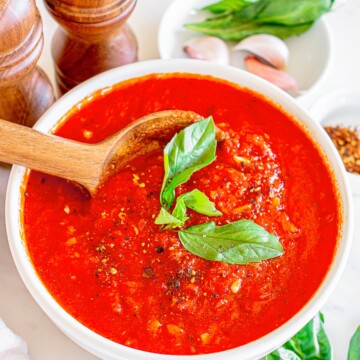
Pesto Sauce made from scratch is one of those magic recipes that comes together in five minutes and instantly makes everything taste fresh and special, all bright basil, toasted walnuts, garlic, and parmesan. I always have a jar in the fridge in summer when our basil plant goes wild, and the girls love it stirred into pasta or spread on warm bread. It is just as quick as our homemade marinara sauce.
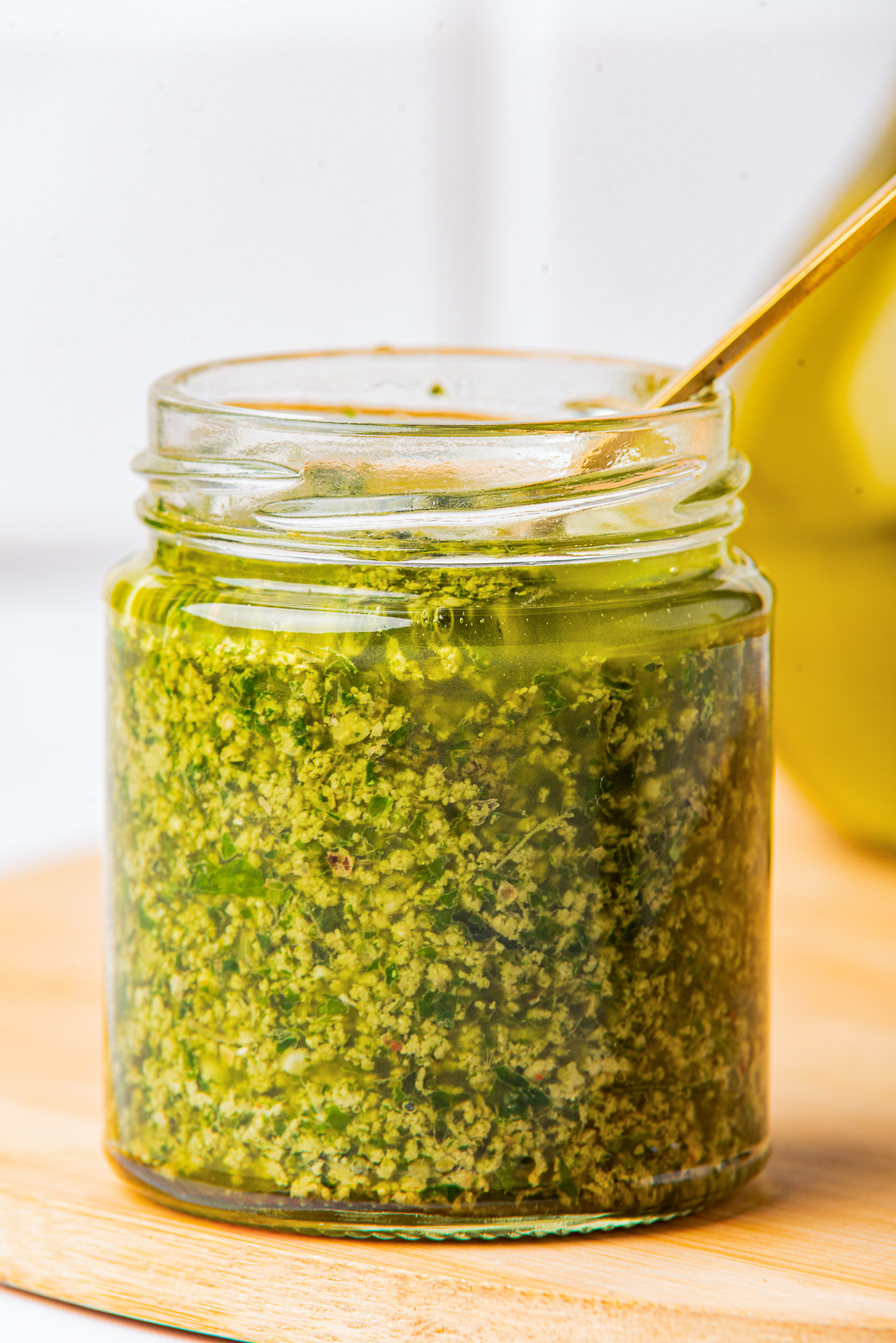
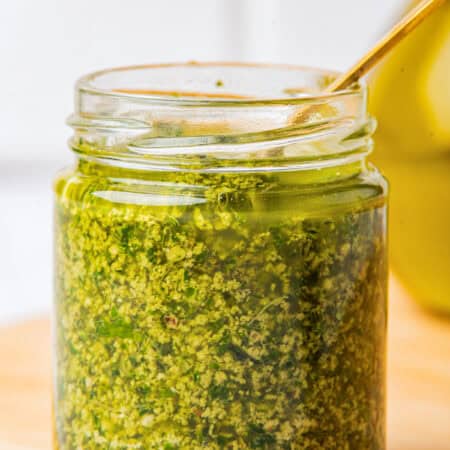
With just a handful of simple ingredients and a food processor, this homemade pesto is fresher, brighter, and far cheaper than the store bought jar.
Pesto Sauce Quick Look
- 🕒 Prep Time: 5 minutes
- 🌡️ Cook Time: 0 minutes
- ⏳ Total Time: 5 minutes
- 🍽️ Serving: 1 cup
- ⚡ Calories: 1445kcal
- 🌶️ Flavor Profile: Fresh, herby, and savory with basil, garlic, and nutty parmesan
- ✋ Difficulty: Easy, just blend and go, even simpler than our homemade marinara
Quick Answer
To make homemade pesto sauce, add fresh basil, toasted walnuts, and garlic to a food processor and pulse until coarsely chopped. With the processor running, slowly stream in the olive oil until smooth. Add grated parmesan and a pinch of salt and pepper, then pulse to combine. Taste and adjust the seasoning, and the pesto is ready to use right away.
Jump to:
Why This Recipe Works
Click to see the technique science
- Fresh basil is the heart of great pesto. Using a big handful of fresh, fragrant basil leaves gives the sauce its signature bright green color and herby flavor.
- Toasted walnuts add nutty richness. Walnuts are a budget friendly swap for pine nuts, and toasting them first deepens their flavor for a richer pesto.
- Streaming the oil makes it smooth. Drizzling the olive oil in slowly while the processor runs emulsifies the sauce into a silky, cohesive texture.
- Parmesan brings savory depth. Freshly grated parmesan adds a salty, nutty, umami punch that ties all the flavors together.
- It comes together in 5 minutes. There is no cooking involved, just blend everything in a food processor, so you have fresh pesto in minutes.
- It is endlessly versatile. Toss it with pasta, spread it on sandwiches, dollop it on chicken, or swirl it into soup, this sauce does it all.
Why You’ll Love This Recipe
- It is bright, fresh, and bursting with flavor, miles better than anything from a jar.
- It comes together in just 5 minutes and instantly upgrades pasta, our homemade gnocchi, chicken, and more.
- It is budget friendly thanks to walnuts instead of pricey pine nuts, and it freezes beautifully for a taste of summer all year.
- It has earned a permanent spot in our rotation, right up there with our tomato basil sauce.
- It has earned a permanent spot in our rotation, right up there with our pesto.
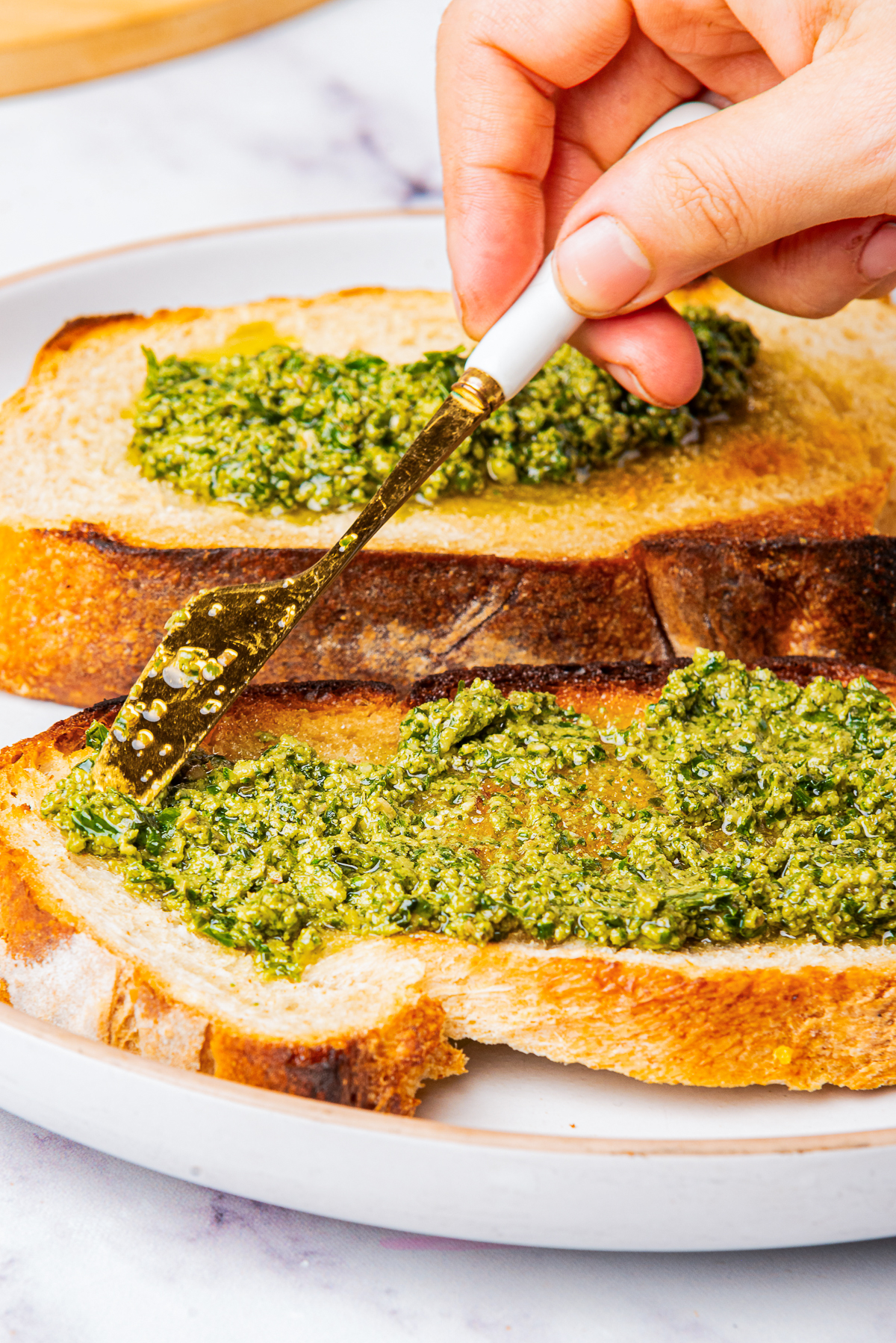
- It earns a spot in the rotation right next to our pesto toast recipe with tomatoes.
Key Ingredients
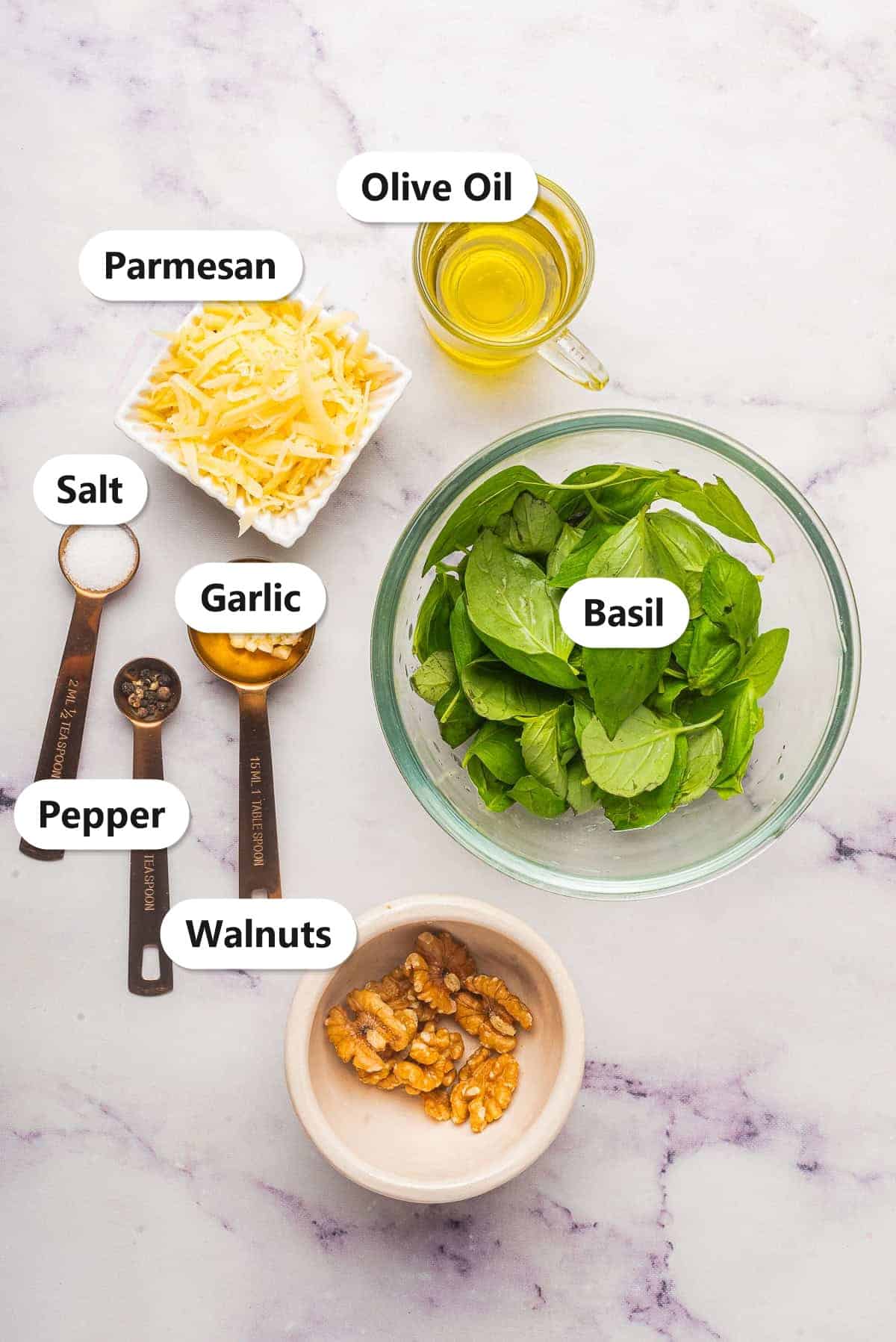
Just six fresh, simple ingredients make the best homemade pesto. Here is what each one brings.
- Fresh basil: A generous two cups of fragrant fresh basil leaves give the pesto its bright green color and signature flavor.
- Toasted walnuts: A budget friendly stand in for pine nuts that adds rich, nutty flavor and body. Toast them first for the best taste.
- Garlic: A few cloves add a punchy, savory kick that is classic in pesto.
- Extra virgin olive oil: Streamed in slowly, it brings everything together into a smooth, silky sauce.
- Parmesan cheese: Freshly grated parmesan adds salty, nutty, savory depth that makes the sauce irresistible.
See recipe card for exact quantities.
Variations and Substitutions
This pesto is easy to customize to your taste:
- Swap the nuts: Use classic pine nuts, or try almonds, pecans, or pistachios for a different twist.
- Change the greens: Replace some of the basil with spinach, arugula, kale, or fresh parsley for a new flavor.
- Make it dairy free: Leave out the parmesan or use a little nutritional yeast for a vegan pesto.
- Brighten it up: Add a squeeze of fresh lemon juice or a pinch of red pepper flakes for extra zing.
- Craving a different flavor next time? Our one skillet boursin chicken with bacon and basil delivers the same easy comfort with its own twist.
- Craving a different flavor next time? Our bacon pesto pasta delivers the same easy comfort with its own twist.
- In the mood for something different? Our lemon chicken foil packets scratches a similar itch.
How to Make Pesto Sauce
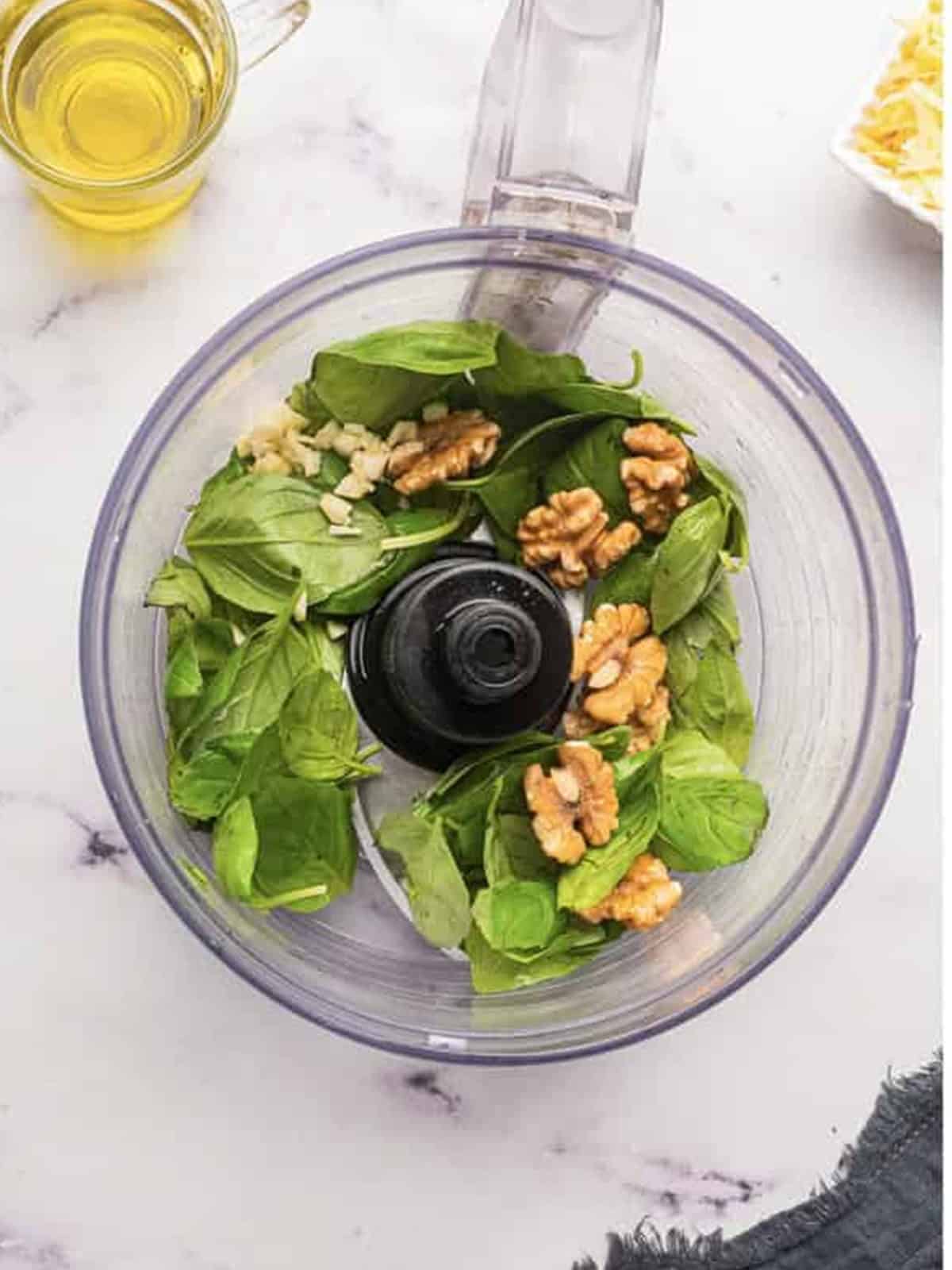
- Add the fresh basil leaves, toasted walnuts, and minced garlic to a food processor.
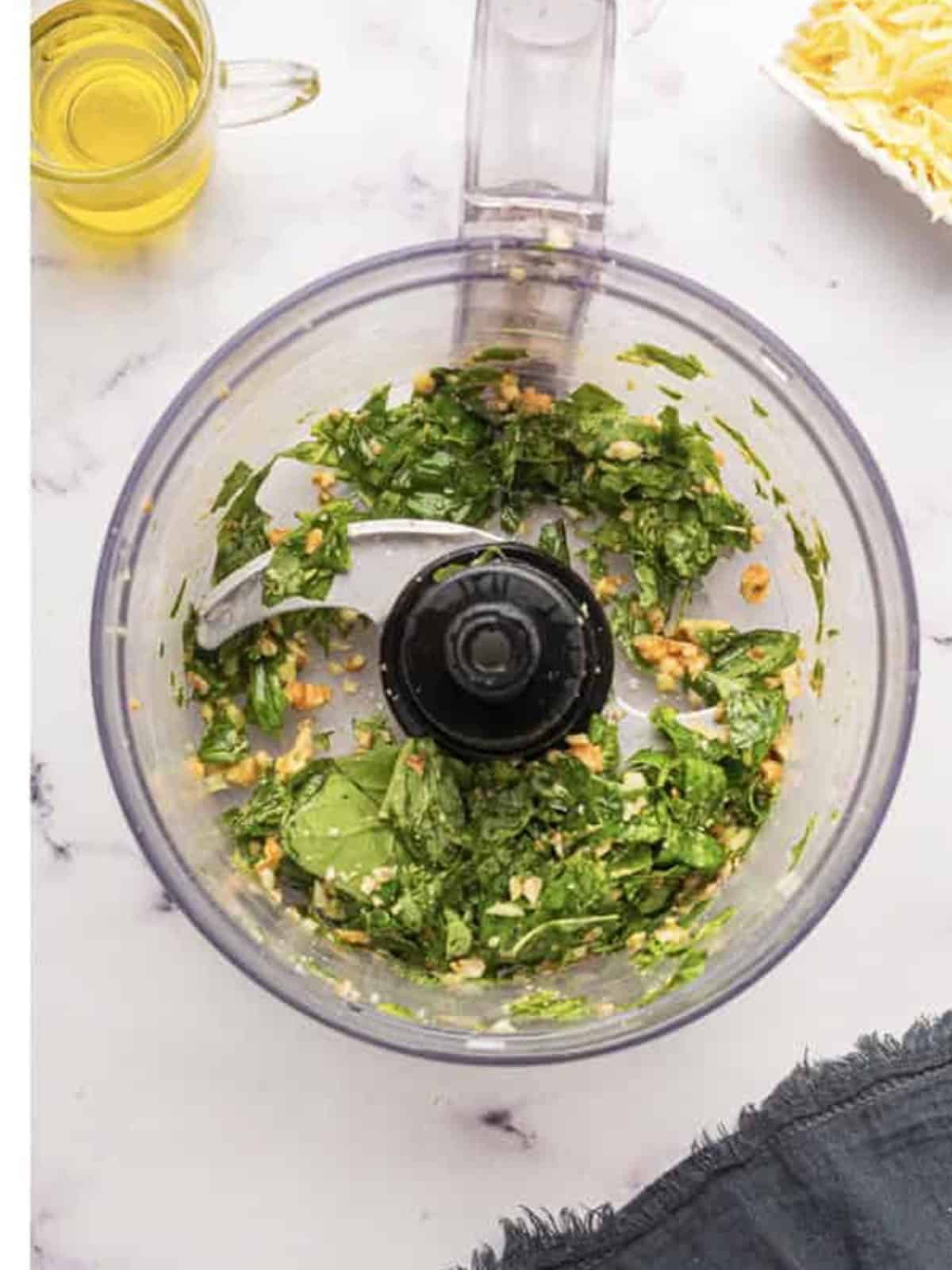
- Pulse several times until the mixture is coarsely chopped and well broken down.
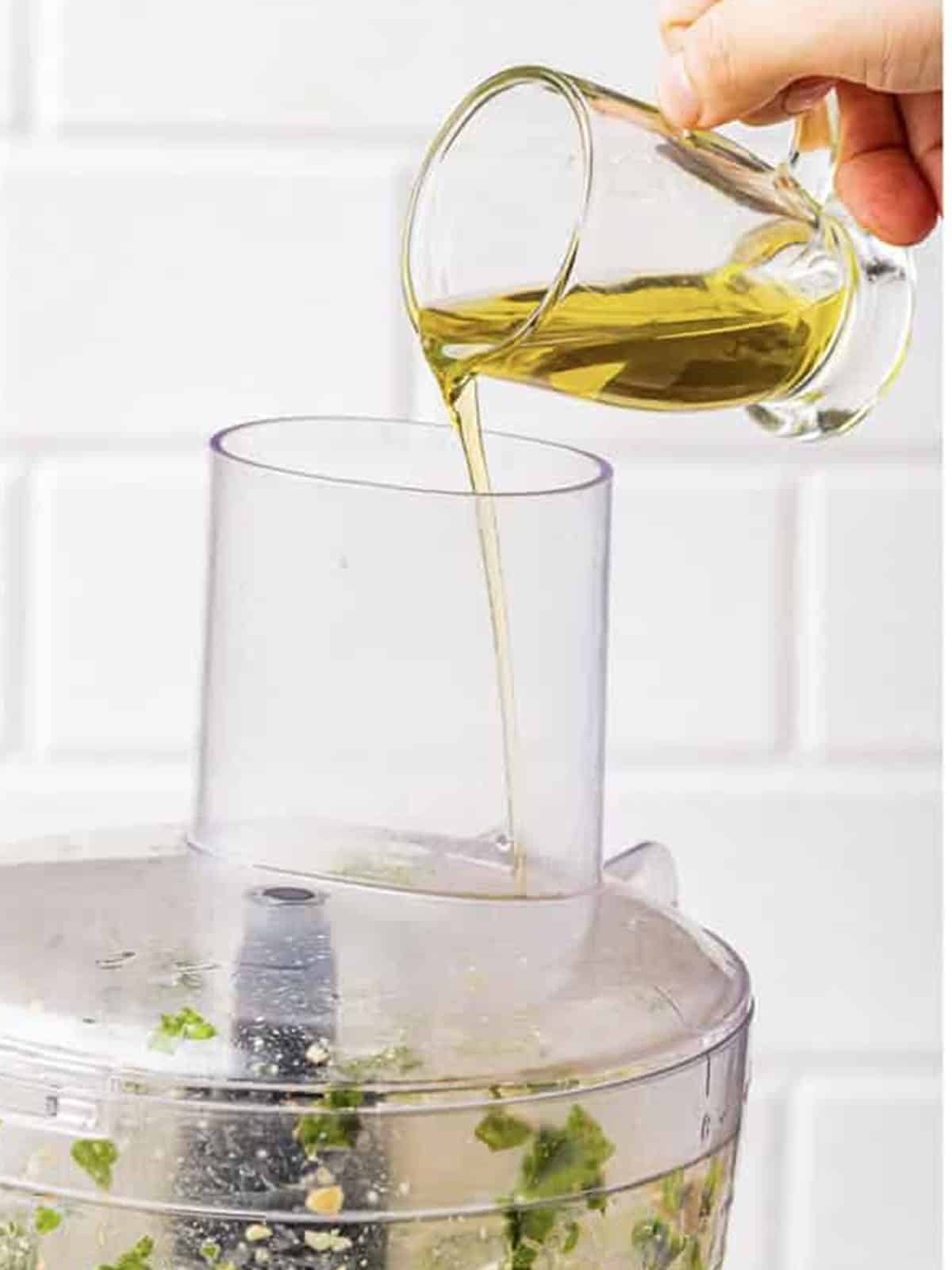
- With the food processor running, slowly stream in the olive oil until the mixture is smooth and well combined.
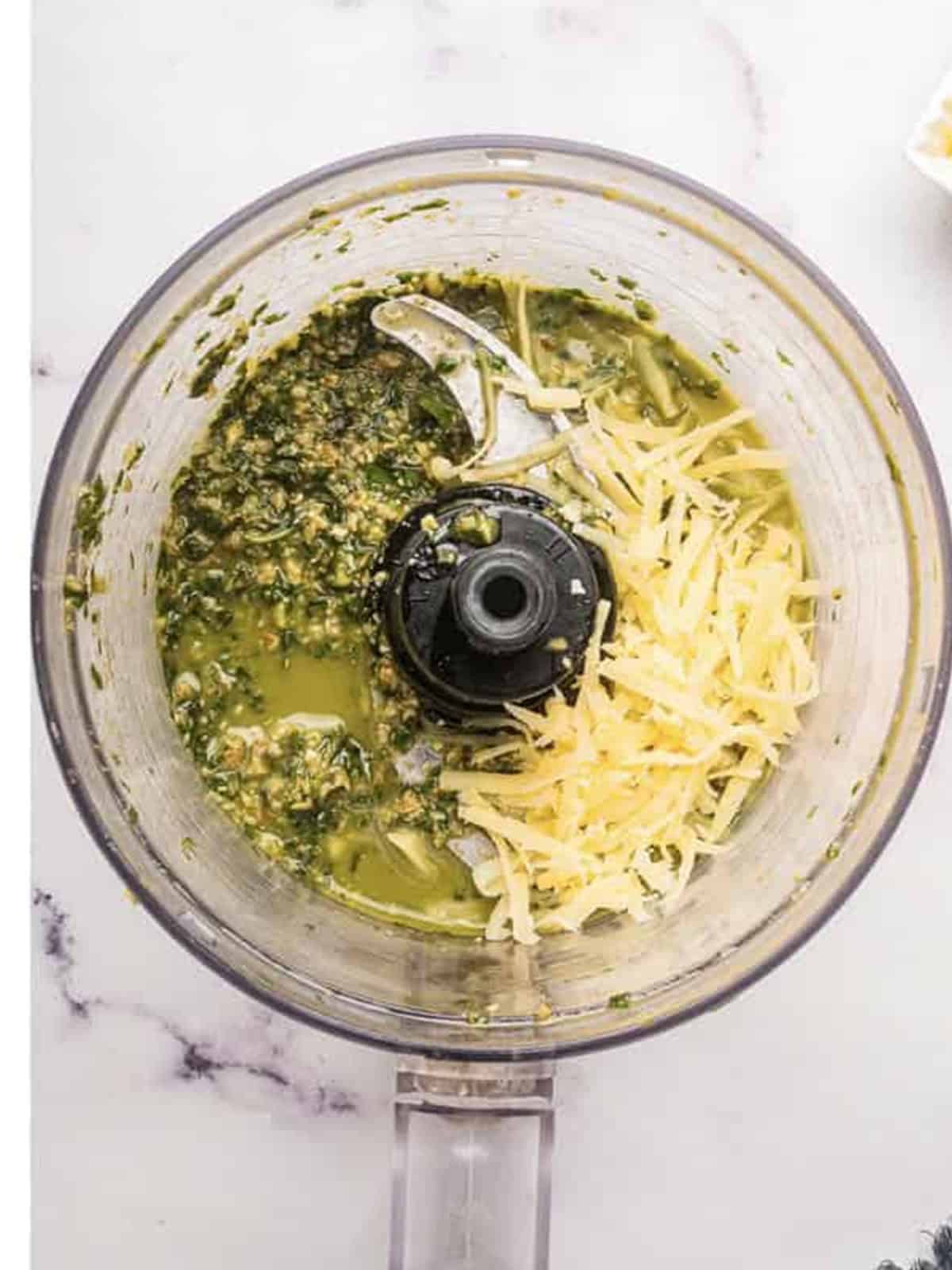
- Add the grated parmesan and a pinch of salt and pepper, then pulse a few times to incorporate. Taste, adjust the seasoning, and transfer the pesto to a jar.
Recipe Tips & Tricks
- Toast the walnuts first, a few minutes in a dry pan deepens their flavor and makes the pesto richer.
- Use fresh, bright basil, avoid any dark or wilted leaves so the pesto stays vibrant green.
- Stream the oil slowly, adding it gradually while the processor runs makes the smoothest, silkiest sauce.
- Grate the parmesan fresh, it melts into the sauce better and tastes far more flavorful than pre shredded.
- Do not over process, a little texture is nice, so stop once it is smooth but still has some body.
- Top with oil to store, a thin layer of olive oil over the surface keeps the pesto from browning in the fridge.
- Make it a spread. When you are feeding a crowd, round out the table with our chicken pitas.
- Make it a full spread. Our chicken alfredo bake rounds out the table.
Serving Ideas and Suggestions
This fresh pesto sauce is incredible tossed with hot pasta or our pillowy homemade potato gnocchi, thinning it with a splash of pasta water to coat every bite. It is also wonderful spread on pizza made with our homemade pizza dough.
And if you want one more idea for the table, our white chocolate sauce recipe never misses.
Dollop it over roasted vegetables, eggs, or baked potatoes, or stir a spoonful into mayonnaise for the best sandwich spread. A jar of homemade pesto makes everything taste fresh and special.
Pesto Sauce FAQs
Homemade pesto sauce keeps in an airtight container in the refrigerator for about five to seven days. To keep it green, smooth a thin layer of olive oil over the surface before sealing. For longer storage, freeze the pesto in ice cube trays, then pop the cubes into a freezer bag for up to three months.
Yes, pesto is very forgiving with nuts. Traditional pesto uses pine nuts, but walnuts are a delicious, budget friendly swap. You can also use almonds, pecans, pistachios, or even sunflower seeds for a nut free version. Toasting whichever nut you choose first will add the best flavor.
Pesto can turn brown when the basil is exposed to air and oxidizes. To keep it bright green, blanch the basil quickly before blending, work fast, and always store the pesto with a thin layer of olive oil over the top. A little lemon juice also helps preserve the fresh green color.
Absolutely. Pesto freezes beautifully. The easiest way is to spoon it into ice cube trays, freeze until solid, then transfer the cubes to a freezer bag. This way you can thaw just the amount you need. Frozen pesto keeps well for up to three months and is perfect for a quick weeknight pasta.
Pesto sauce is endlessly versatile. Toss it with pasta or gnocchi, spread it on sandwiches and pizza, dollop it over grilled chicken or fish, swirl it into soups, or stir it into eggs and roasted vegetables. It instantly adds fresh, herby flavor to almost any savory dish.
No, you do not need a food processor. Pesto was traditionally made by hand using a mortar and pestle, which gives a wonderful texture. You can also finely chop everything with a knife or use a blender. A food processor is just the fastest and easiest way to get a smooth, even sauce.
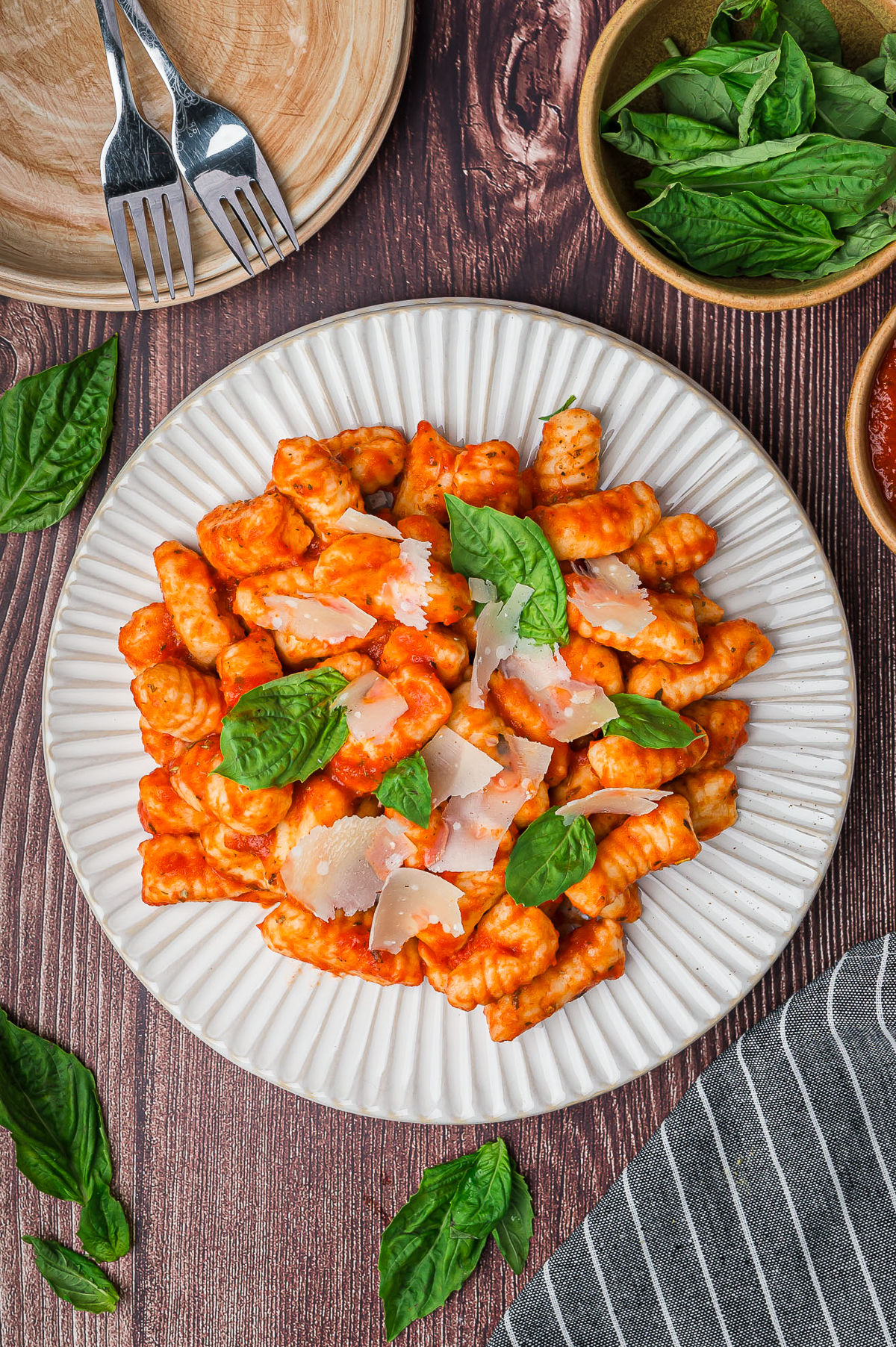
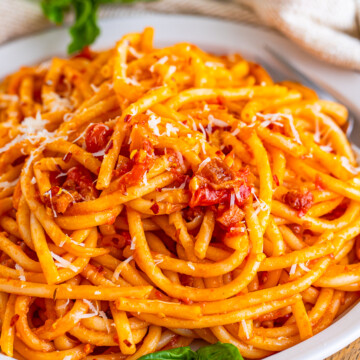
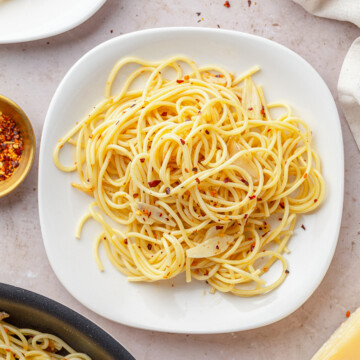
Love fresh Italian flavors? Toss this pesto with our homemade gnocchi or try our bucatini all amatriciana next.
Put that fresh basil to work twice, our Goat Cheese Bruschetta uses it in the spread and on top.

Easy Basil Pesto Sauce
Ingredients
- 2 cups fresh basil leaves packed
- 1/3 cup toasted walnuts
- 3 garlic cloves minced
- 1/2 cup extra virgin olive oil
- 1/2 cup grated Parmesan cheese
- Salt and pepper to taste
Instructions
- Combine the basil leaves, toasted nuts, and minced garlic in a food processor. Pulse several times until coarsely chopped.2 cups fresh basil leaves, 1/3 cup toasted walnuts, 3 garlic cloves
- With the food processor running, slowly stream in the olive oil until the mixture is smooth and well combined.1/2 cup extra virgin olive oil
- Add the grated Parmesan cheese and pulse a few times to incorporate.1/2 cup grated Parmesan cheese
- Season with salt and pepper to taste. Pulse again until everything is mixed evenly.Salt and pepper to taste
- Taste and adjust seasoning if necessary.
- Transfer the pesto to a jar or airtight container. If not using immediately, cover the surface with a thin layer of olive oil to prevent oxidation.
Notes
- Be careful not to run the food processor too long. You don’t want to emulsify the mixture.
- Feel free to add a pinch of salt or more cheese if you think it needs a boost.
- Lightly toast the walnuts in a pan over low heat until golden brown for that deeper, nuttier flavor.
- The flavor of extra virgin olive oil really shines here. Cheap oil can make your pesto taste bland or greasy.
- If your basil leaves look droopy or have black spots, it might not give you that bright green color. Fresh is best!
- This delicious sauce is amazing on pizza, sandwiches, roasted veggies, or even scrambled eggs.
Nutrition
Love This Recipe?
Follow @ThisSillyGirlsKitchen on Instagram and @ThisSillyGirlsKitchen on Pinterest for more!